

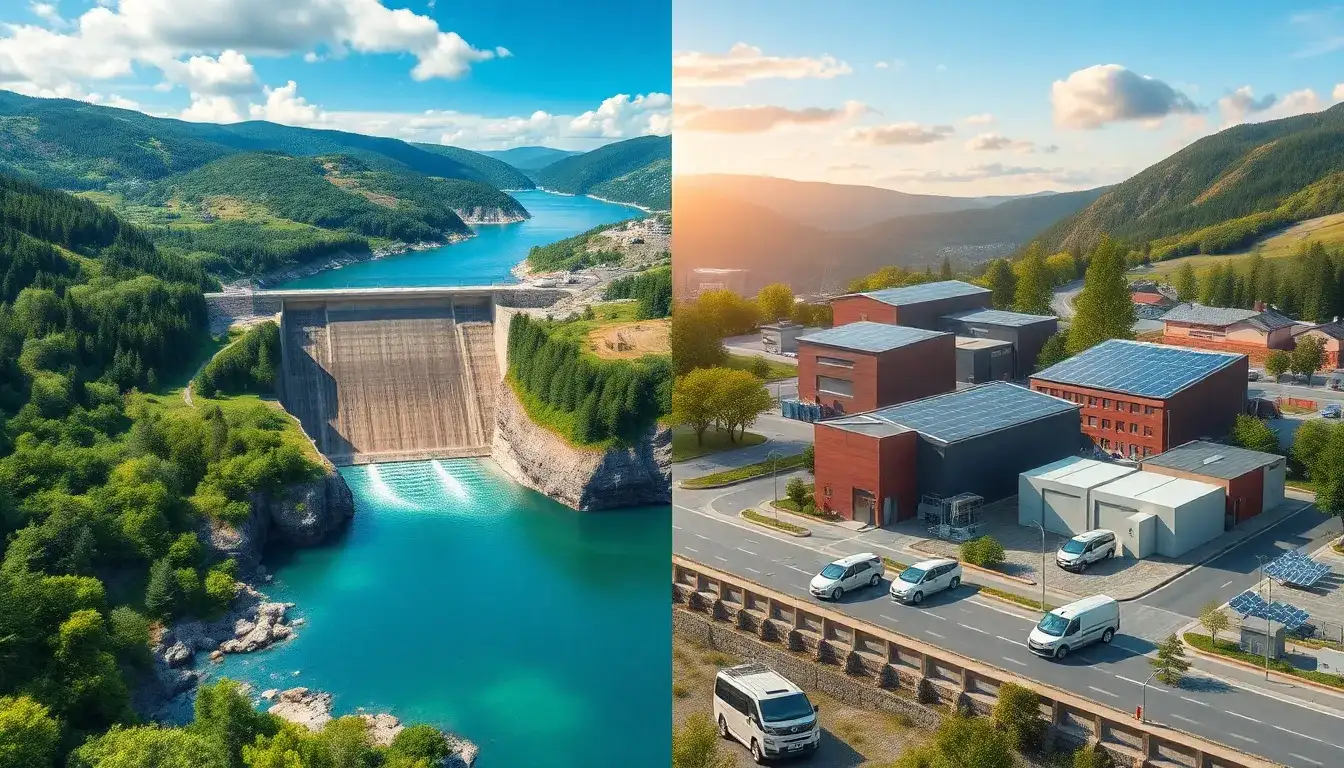
The environmental impacts of pumped hydroelectric storage (PHS) systems compared to lithium-ion batteries differ significantly due to their distinct technologies and operational characteristics.
Environmental Impacts of Pumped Hydroelectric Storage (PHS)
Closed-Loop Versus Open-Loop PHS:
- Closed-loop PHS systems pump water between two reservoirs that are not continuously connected to natural water bodies. This design generally results in lower environmental impacts compared to open-loop systems, which are connected to natural streams or rivers.
- Closed-loop PHS tends to have localized and shorter-term environmental effects, mainly due to their off-stream siting, which reduces impacts on aquatic ecosystems and water flow patterns.
- However, closed-loop projects may have higher impacts on geology, soils, and groundwater especially in systems using groundwater reservoirs.
Specific Environmental Concerns for PHS:
- Construction may require diversion of rivers and alteration of ecological systems, with risks of flooding during or after construction.
- Water sourcing for the reservoirs can be complex due to water rights issues and potential aquatic resource impacts.
- Despite these concerns, PHS—especially closed-loop systems—has among the lowest greenhouse gas emissions of energy storage technologies, making it environmentally favorable from a climate perspective.
Environmental Impacts of Lithium-Ion Batteries
While the search results did not directly discuss lithium-ion batteries, known impacts include:
- Significant environmental footprint from mining and processing of raw materials such as lithium, cobalt, and nickel, which can cause habitat destruction, water pollution, and social issues in mining communities.
- Energy-intensive manufacturing process contributing to greenhouse gas emissions.
- Challenges related to battery disposal and recycling, with potential for toxic chemical leakage if not managed properly.
Comparison Summary
| Aspect | Pumped Hydroelectric Storage (Closed-Loop) | Lithium-Ion Batteries |
|---|---|---|
| Greenhouse Gas Emissions | Very low lifecycle greenhouse gas emissions; considered greenest form of energy storage | Higher emissions primarily from mining and production phases |
| Land and Water Impact | Localized terrestrial and groundwater impacts; potential disruption of water sources and ecosystems, especially for open-loop systems | Land disturbance and water use mainly at mining sites; no water use during operation |
| Ecological Impact | Possible alteration of river ecology and flooding risk during construction; mitigated in closed-loop design | Habitat destruction during mining; less impact during operation |
| Recyclability and Waste | Minimal waste during operation; infrastructure can last decades | Recycling challenges; toxic waste concerns and battery lifespan limitations |
| Operational Lifespan | Long lifespan with few replacements needed | Limited lifespan with eventual degradation requiring replacement |
In summary, closed-loop pumped hydroelectric storage is a low-emission, long-lasting storage option with mainly localized environmental impacts related to land and water use, which can be managed and mitigated. Lithium-ion batteries, while versatile and widely used, pose greater challenges in raw material extraction, manufacturing emissions, and end-of-life waste management, resulting in a higher overall environmental footprint outside of operational emissions. Thus, PHS is often considered the greener option for large-scale, long-duration energy storage.
Original article by NenPower, If reposted, please credit the source: https://nenpower.com/blog/what-are-the-environmental-impacts-of-pumped-hydroelectric-storage-systems-versus-lithium-ion-batteries/

