

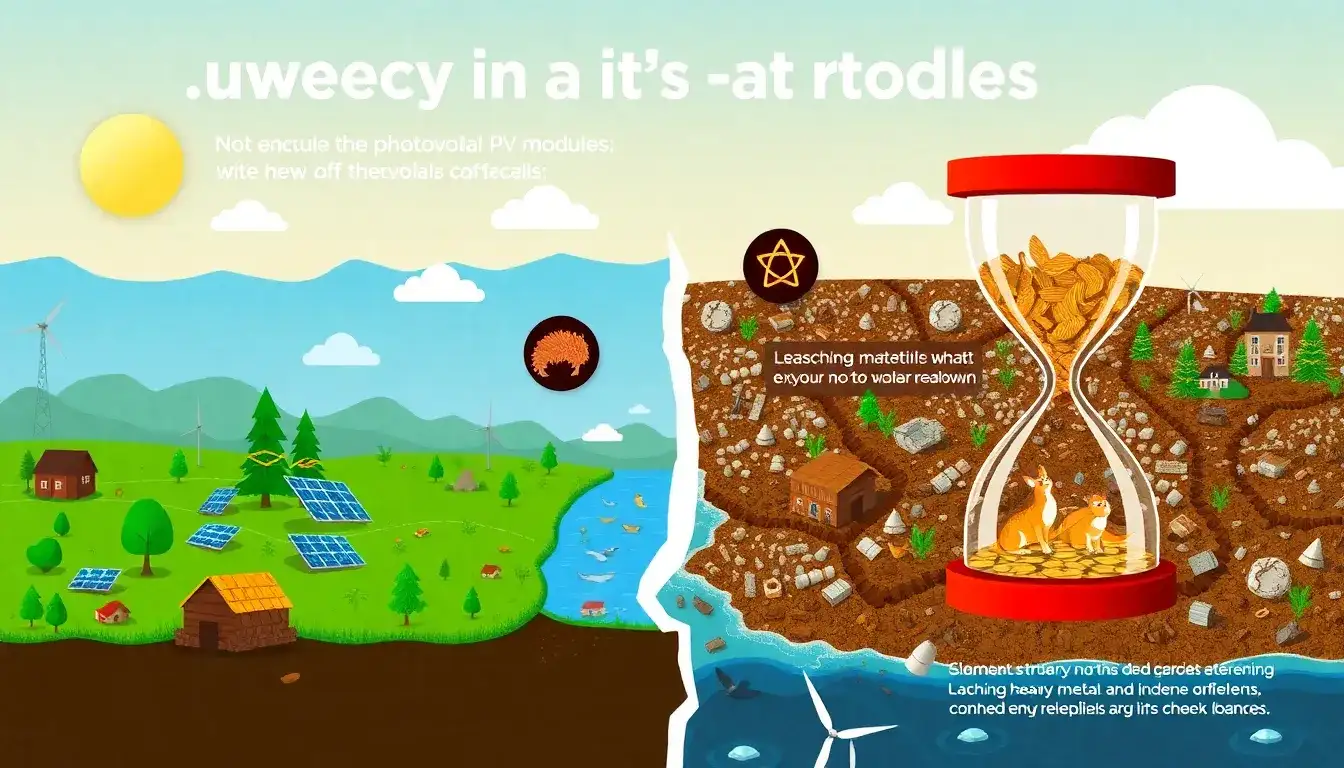
Environmental Impacts of Not Recycling PV Modules
- Toxic Materials Leaching:
- PV panels often contain toxic materials like lead and other heavy metals, which can leach into soil and water if sent to landfills, causing environmental pollution and potential health hazards.
- Resource Depletion:
- Failing to recycle PV modules results in the loss of valuable resources such as aluminum, glass, silicon, and other materials. This can lead to increased mining activities, exacerbating resource depletion.
- Waste Accumulation:
- Unrecycled solar panels contribute to an accumulation of electronic waste, which can become a significant environmental issue as the demand for solar energy increases.
- Greenhouse Gas Emissions:
- The extraction and processing of raw materials for new PV modules without recycling cause higher greenhouse gas emissions compared to recycling processes. Recycling can significantly reduce these emissions by reducing the need for new raw materials.
- Economic Impact:
- The lack of recycling infrastructure and economic incentives can hinder the development of more sustainable solar technologies, perpetuating environmentally less favorable practices.
- Energy Consumption:
- Recycling reduces the energy required for producing new materials, which in turn reduces the overall carbon footprint associated with PV module production.
Addressing the Challenges
Efforts are underway to address these challenges through innovations such as designing panels for easier disassembly, replacing toxic materials, and improving recycling technologies. However, widespread adoption of these methods is still necessary to mitigate the environmental impacts effectively.
Original article by NenPower, If reposted, please credit the source: https://nenpower.com/blog/what-are-the-environmental-impacts-of-not-recycling-pv-modules/

