

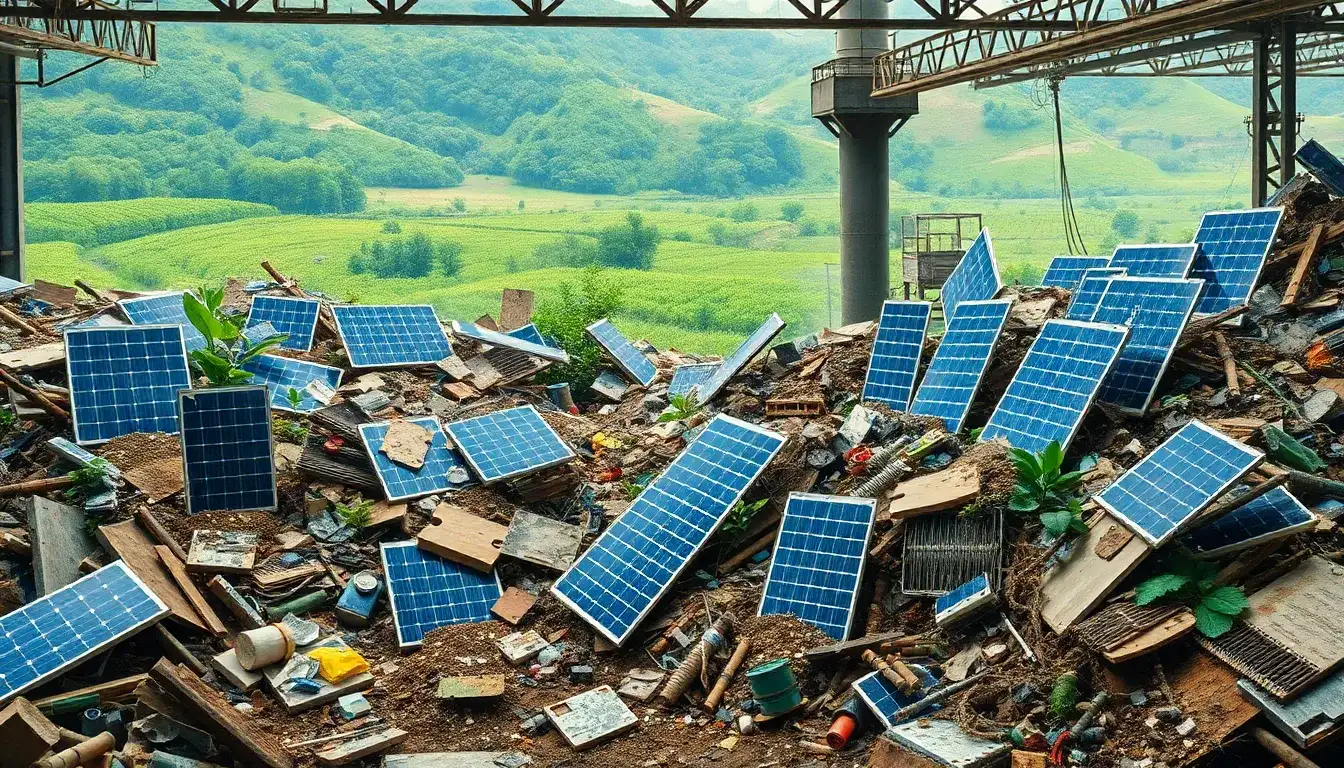
The environmental impacts of non-standardized solar panel recycling are multifaceted and significant, given the materials used in solar panels and the scale of waste generated.
Environmental Impacts
- Toxic Material Disposal: Solar panels contain toxic materials such as lead, cadmium, and selenium. Without proper recycling, these can end up in landfills, potentially leaching into the environment and contaminating soil and water. The risk of health impacts is considered low by some assessments, but recycling is still seen as a preferable mitigation strategy.
- CO2 Emissions: Effective recycling can avoid significant CO2 emissions. For instance, recycling a panel can prevent up to 97 pounds of CO2 emissions from being released. This is crucial in reducing the carbon footprint associated with the production of new panels.
- Waste Accumulation: Non-standardized recycling practices leave a large amount of solar panel waste unmanaged. Estimates suggest that by 2050, as much as 60 million tons of PV panel waste could end up in landfills if not properly recycled.
- Missed Opportunities for Resource Recovery: Solar panels contain valuable materials that could be recovered through recycling. Non-standardized recycling processes miss the opportunity to recover these resources, leading to increased demand for primary materials and additional environmental costs associated with extraction and processing.
Challenges in Standardizing Recycling
- Economic Incentives: The financial incentives for recycling solar panels are currently limited, making it economically less viable compared to landfill disposal.
- Technological Challenges: Developing efficient recycling technologies that can handle different types of panels (e.g., silicon-based and thin-film-based) is an ongoing challenge. While some processes achieve high recycling efficiency, further innovation and standardization are needed.
- Regulatory Issues: The lack of clear regulatory frameworks and data on recycling rates hinders the development of effective policies to support solar panel recycling. This includes issues with hazardous waste classification, which can lead to unnecessary costs.
In summary, non-standardized solar panel recycling practices can lead to environmental harm through toxic material disposal, significant waste accumulation, and missed opportunities for resource recovery. Addressing these issues requires both technological advancements and regulatory clarity to promote sustainable recycling practices.
Original article by NenPower, If reposted, please credit the source: https://nenpower.com/blog/what-are-the-environmental-impacts-of-non-standardized-solar-panel-recycling/

