

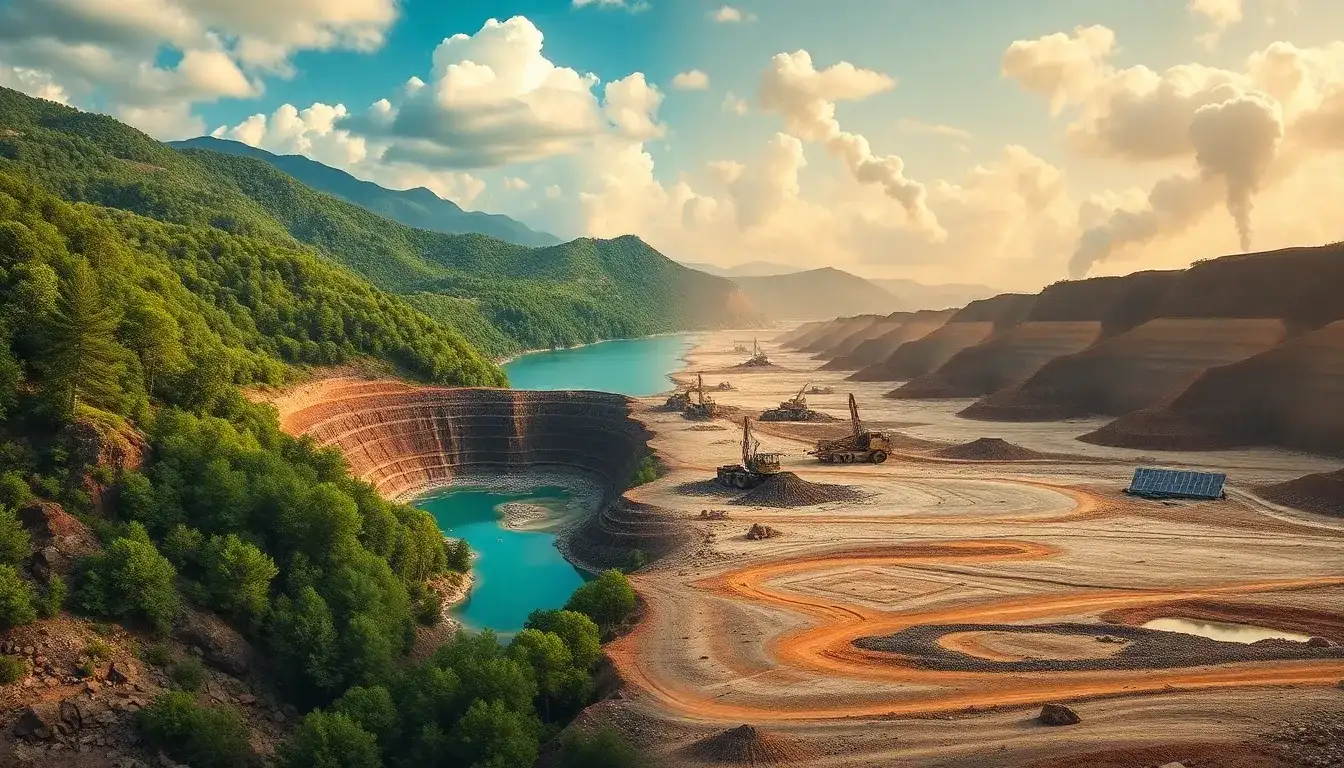
The environmental impacts of mining materials for battery production, particularly lithium, cobalt, and nickel, are significant and multifaceted:
Key Environmental Impacts
1. Energy-Intensive Extraction and Carbon Emissions
- Mining and processing battery materials are very energy-intensive, generating large carbon footprints. For instance, producing one ton of mined lithium emits nearly 15 tons of CO2.
- About 40% of the carbon footprint of lithium-ion batteries stems from mining, conversion, and refining of active materials.
- Much of the electricity powering mining operations comes from fossil fuels (e.g., coal in China), compounding emissions.
2. Water Consumption and Pollution
- Lithium extraction, especially from brine in salt flats, requires massive water use — approximately 2 million liters per ton of lithium, consuming as much as 65% of water in regions like Chile’s Salar de Atacama.
- This overuse depletes scarce groundwater, threatening local agriculture, indigenous communities, and ecosystems.
- Toxic chemicals used in mining can leach into soil and waterways, contaminating water sources and harming aquatic life, as seen in cases in Tibet and China where lithium mining polluted rivers causing fish deaths.
- Nickel and cobalt mining have also led to water contamination and degradation of aquatic habitats, causing mine shutdowns in places like the Philippines.
3. Land Degradation and Habitat Destruction
- Open-pit mining for lithium and other metals involves clearing large land areas, leading to habitat loss and biodiversity decline. For example, expanding lithium mining in Western Australia has destroyed hundreds of hectares of native vegetation affecting threatened species.
- Soil degradation from chemical solvents and mining waste further disrupts ecosystems and reduces land usability for agriculture.
4. Toxic Waste and Pollution
- Mining releases hazardous byproducts like sulfuric acid from cobalt mines, which pollute rivers and soil.
- Disposal of spent batteries in landfills causes heavy metals (e.g., arsenic, cadmium, chromium) to leak, risking soil and groundwater contamination and causing frequent landfill fires that emit toxic fumes.
- Recycling efforts are limited (only about 5% of lithium batteries are recycled globally), partly due to high costs and safety hazards in dismantling batteries.
5. Social and Regulatory Concerns
- Mining operations often occur in sensitive or protected areas, causing ecological and legal conflicts, as with lithium mining at the Salton Sea in California.
- Cobalt mining in the Democratic Republic of Congo is notorious for hazardous working conditions and ethical issues including child labor.
- Environmental regulations vary globally, and in less regulated regions, mining poses greater risks to local communities and ecosystems.
Summary Table of Key Impacts by Material
| Material | Primary Environmental Concerns | Notable Issues & Examples |
|---|---|---|
| Lithium | High water consumption, groundwater depletion, toxic chemical leaks, land degradation | Uses 2M+ liters water per ton; 65% regional water use in Salar de Atacama; pollution in China, Tibet; habitat loss in Australia |
| Cobalt | Toxic byproducts, sulfuric acid contamination, ethical issues | Acid runoff pollutes rivers; DRC mines have social and environmental issues |
| Nickel | Air pollution (sulfur dioxide), water contamination, deforestation | Deforestation and coastal water pollution in Indonesia and Philippines |
Conclusion
While battery materials mining produces lower carbon emissions than fossil fuel extraction, it still causes substantial environmental harm including pollution, water scarcity, land and biodiversity loss, and hazardous waste disposal problems. To mitigate these impacts, sustainable mining practices, improved waste management, battery recycling expansion, and development of alternative battery technologies (e.g., sodium-ion batteries) are critical steps forward. Additionally, transitioning mining operations to renewable energy and enforcing stringent environmental regulations will help reduce the ecological footprint of battery production.
In essence, the shift to renewable energy via electric vehicles and batteries brings environmental challenges at the extraction stage that must be addressed to ensure a truly sustainable energy transition.
Original article by NenPower, If reposted, please credit the source: https://nenpower.com/blog/what-are-the-environmental-impacts-of-mining-materials-for-battery-production/

