

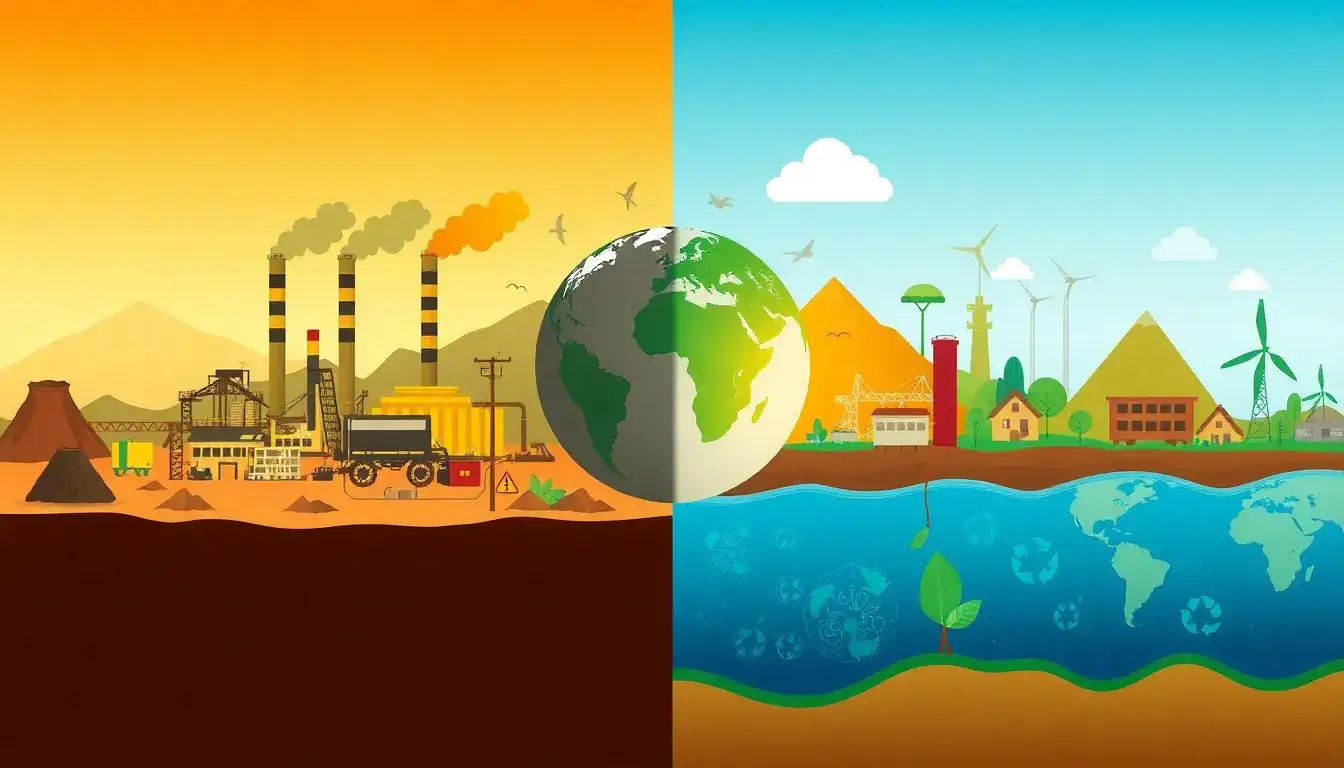
Lithium-ion batteries, while pivotal for electric vehicles (EVs) and portable electronics as a cleaner alternative to fossil fuels, have significant environmental impacts compared to other battery types, both during their production and disposal phases.
Environmental Impacts of Lithium-Ion Batteries
1. Production Phase
- High Carbon Emissions: The production of lithium-ion batteries generates more carbon dioxide emissions than manufacturing gasoline-powered vehicles. Approximately 40% of these emissions stem from mining and processing battery minerals such as lithium, cobalt, and nickel.
- Energy-Intensive Mining and Refining: Mining and refining the raw materials, along with battery assembly, consume substantial energy often sourced from carbon-intensive fuels. For example, China, a major battery producer, relies heavily on coal power, increasing greenhouse gas emissions.
- Greater Cumulative Energy Demand: Lithium-ion battery production requires about three times more cumulative energy demand compared to generic or fossil fuel vehicle batteries, indicating a higher environmental footprint in manufacturing.
- Soil Degradation and Ecosystem Disruption: Lithium and other battery metal extractions lead to soil degradation, making the land less suitable for vegetation and harming local biodiversity. This also disrupts local ecosystems, especially in arid regions where water scarcity is exacerbated by mining activities.
- Socio-Economic Concerns: Beyond environmental degradation, mining operations often impact local communities adversely, including water shortages and loss of livelihoods.
2. Disposal Phase
- Landfill Accumulation: The vast majority of lithium-ion batteries—up to 98.3% in some studies—end up in landfills rather than being recycled.
- Fire Hazards: Disposed lithium-ion batteries can short-circuit in landfills, causing fires that are difficult to extinguish and may burn for extended periods. One landfill in the Pacific Northwest recorded 124 fires between 2017 and 2020 attributed to these batteries, with increasing incidents over time.
- Toxic Leachates: Batteries in landfills may release heavy metals and other toxic substances into soil and groundwater, posing environmental and human health risks.
- Lower Toxicity than Some Other Batteries: Lithium-ion batteries are noted to contain less toxic waste compared to some older or alternate battery chemistries; however, their disposal still poses serious ecological risks.
Comparison to Other Battery Types
Unlike traditional lead-acid or nickel-cadmium batteries, lithium-ion cells generally have a higher energy density and longer life, offering efficiency advantages. However, the environmental toll in mining and production is generally higher due to the scarcity and extraction complexity of lithium and associated metals.
Lead-acid batteries, while more widely recycled, contain highly toxic lead and sulfuric acid, posing different but serious environmental hazards if improperly managed. Nickel-cadmium batteries involve toxic cadmium, with recycling efforts required to mitigate harms.
In summary, lithium-ion batteries offer environmental advantages in usage by reducing fossil fuel reliance but come with considerable environmental costs in their lifecycle. Their extraction and production are energy-intensive and disruptive to ecosystems, and their disposal presents fire risks and toxic contamination concerns far exceeding those of some other battery types. Addressing these challenges requires improved recycling infrastructure, cleaner production energy sources, and sustainable mining practices to mitigate the environmental impacts of lithium-ion batteries relative to alternatives.
Original article by NenPower, If reposted, please credit the source: https://nenpower.com/blog/what-are-the-environmental-impacts-of-lithium-ion-batteries-compared-to-other-battery-types/

