

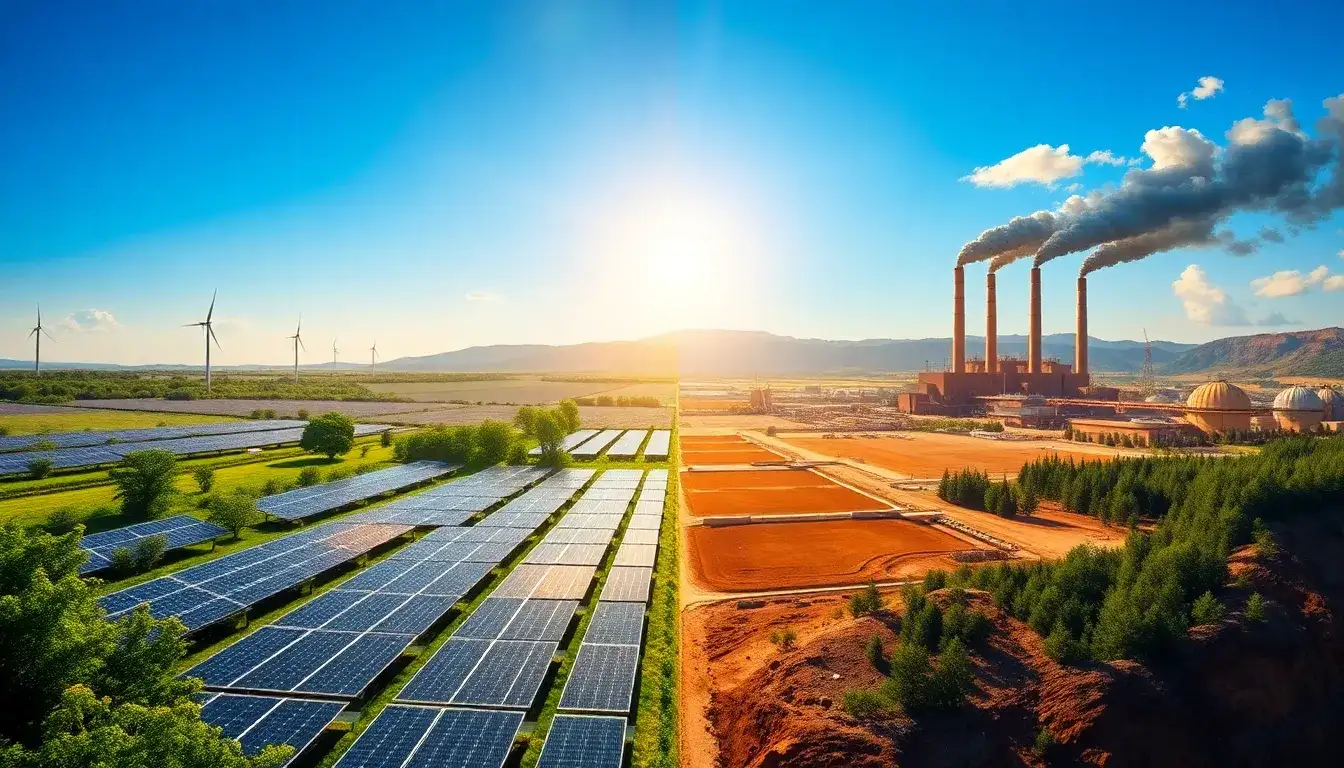
Environmental Impacts of Land Use for Solar Farms
- Land Footprint and Habitat Disruption: Utility-scale solar farms require large areas of land, often leading to clearing of vegetation, soil compaction, alteration of drainage patterns, and increased runoff and erosion during construction. This can disrupt local habitats, affecting biodiversity and ecosystem services, especially if prime agricultural land or sensitive ecosystems are used. However, siting solar farms on non-agricultural lands like brownfields, contaminated sites, or degraded lands can reduce these impacts.
- Biodiversity and Ecosystem Effects: Solar farms can threaten biodiversity by clearing land and changing habitat characteristics, but these impacts can be mitigated by strategies such as pollinator-friendly ground cover, maintaining hedgerows, and rapid establishment of perennial vegetation around panels that provide wildlife habitat. Responsible siting and ecological restoration help preserve or enhance local biodiversity.
- Water and Soil Impacts: Construction activities may alter soil health and hydrology; however, implementing erosion control, stormwater management, and soil conservation techniques can minimize negative effects on local water resources and soil stability.
- Community and Land Use Conflicts: Large solar farms may cause land use conflicts, especially where they replace productive agricultural land or interfere with traditional rural livelihoods like grazing. Aesthetic concerns and perceived declines in property values can lead some communities to ban such projects.
- No Air Emissions During Operation: Unlike fossil fuel plants, solar farms produce virtually no air pollution or greenhouse gas emissions during electricity generation, which is a major environmental benefit.
Environmental Impacts of Land Use for Fossil Fuel Plants
- Smaller Land Footprint but Higher Pollution: Fossil fuel power plants generally have a smaller physical land footprint compared to utility-scale solar farms. However, these plants emit substantial air pollutants such as sulfur dioxide, nitrogen oxides, carbon monoxide, volatile organic compounds, particulate matter, and large amounts of greenhouse gases like carbon dioxide, contributing to air pollution, acid rain, and climate change.
- Land Contamination and Waste: Fossil fuel extraction, transport, and combustion produce contaminated waste, including ash and sludge that require disposal and can pollute soil and water. Coal mining and oil drilling can cause significant land degradation and ecosystem disruption at extraction sites.
- Water Use and Pollution: Fossil fuel plants typically consume large quantities of water for cooling, often leading to thermal pollution of aquatic ecosystems and potential contamination from pollutants.
- Indirect Habitat and Ecosystem Effects: Although smaller in land area, fossil fuel plants’ broader environmental footprint includes damage from mining and drilling infrastructure, transport networks, and pollution deposition affecting landscapes and ecosystems far beyond the plant site.
Summary Comparison
| Aspect | Solar Farms | Fossil Fuel Plants |
|---|---|---|
| Land Use | Large land area needed; potential habitat disruption; mitigatable by site choice and vegetation management | Smaller footprint at plant; larger land impact at extraction sites |
| Habitats & Biodiversity Impact | Can disrupt ecosystems but mitigated by sustainable practices like pollinator habitats and native vegetation | Significant ecosystem damage at extraction locations; pollution affects wider areas |
| Air Pollution & Emissions | Virtually zero emissions during operation | High emissions of CO2, SO2, NOx, particulate matter |
| Water Use & Pollution | Some impacts from construction; minimal water use in operation | High water consumption; thermal and chemical pollution risks |
| Community & Aesthetic Issues | Land use conflicts with agriculture and rural life; aesthetic concerns | Less land use conflict at site but broader environmental justice concerns due to pollution |
In essence, solar farms require thoughtful siting and management to minimize land use and ecological impacts, but they avoid the significant air and water pollution associated with fossil fuel plants. Fossil fuel plants, while spatially more compact, cause widespread environmental harm through emissions, water use, and ecosystem degradation linked to fuel extraction and combustion. Solar power’s environmental downsides can be largely mitigated through sustainable development strategies, making it a cleaner and more sustainable energy source overall.
Original article by NenPower, If reposted, please credit the source: https://nenpower.com/blog/what-are-the-environmental-impacts-of-land-use-for-solar-farms-versus-fossil-fuel-plants/

