

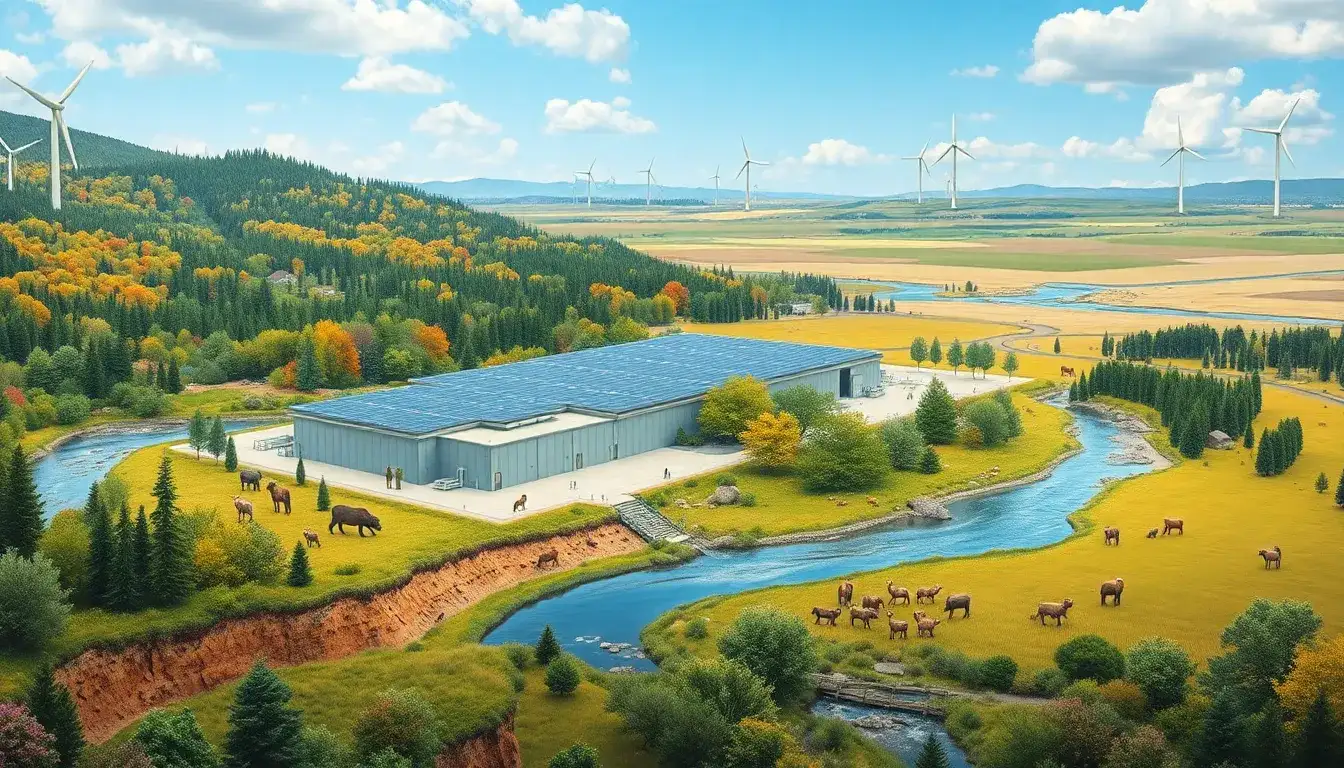
Deploying large-scale energy storage systems can have a mix of environmental impacts, ranging from benefits to potential drawbacks. Here’s a summary of these impacts:
Environmental Benefits
- Integration of Renewables: Energy storage systems facilitate the integration of intermittent renewable energy sources like solar and wind into the grid, reducing the reliance on fossil fuels and lowering carbon emissions.
- Increased Grid Efficiency: By optimizing energy use, storage systems reduce the need for additional power plants during peak demand, thereby minimizing emissions and pollution.
- Reduced Infrastructure Needs: They help delay or avoid the construction of new power plants and transmission infrastructure, reducing environmental impacts associated with these projects.
Environmental Concerns
- Resource Extraction: The production of energy storage components, such as lithium-ion batteries, involves resource extraction, leading to concerns about resource depletion and mining pollution.
- Manufacturing Emissions: Energy storage systems often have an energy-intensive manufacturing process, contributing to greenhouse gas emissions.
- Safety Risks: Safety concerns include fire hazards, thermal runaway, and chemical contamination from battery fires, which can affect local environments.
- End-of-Life Disposal: Improper disposal of batteries can release hazardous materials, posing risks to soil, water, and wildlife.
- Land Use and Habitat Disruption: Large-scale storage facilities can occupy significant land areas, potentially disrupting habitats and ecosystems.
Conclusion
While large-scale energy storage systems are crucial for the transition to renewable energy, their environmental impacts must be carefully managed through sustainable practices like responsible material sourcing, efficient manufacturing, and effective recycling.
Original article by NenPower, If reposted, please credit the source: https://nenpower.com/blog/what-are-the-environmental-impacts-of-deploying-large-scale-energy-storage-systems/

