

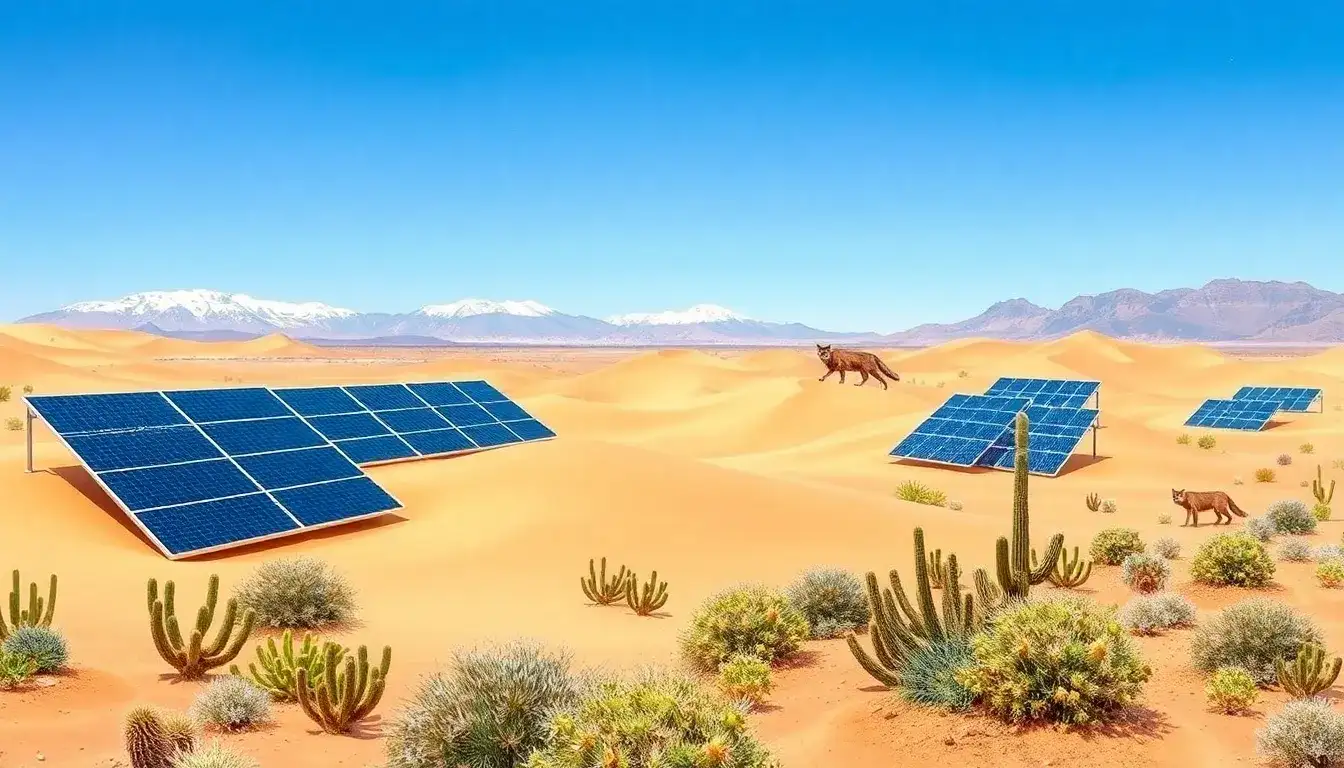
Thin-film solar panels offer several environmental benefits, particularly in regions with extreme temperatures. Here are some key advantages:
Environmental Benefits
- Lower Carbon Footprint: Thin-film solar panels use less material and require less energy for production compared to traditional silicon panels. This reduces their carbon footprint during manufacturing, contributing to a more sustainable production process.
- Resource Conservation: Thin-film panels require fewer resources, including silicon, making them more environmentally friendly by reducing the demand for scarce materials and lowering the energy needed to extract and process them.
- Durability and Longevity: Despite being less efficient under standard conditions, thin-film panels are more resistant to temperature fluctuations. They maintain efficiency better than traditional panels in high temperatures, extending their operational lifespan and reducing the need for frequent replacements.
- Flexibility and Versatility: Their lightweight and flexible design allows for easier integration into various structures, including buildings and vehicles, reducing the structural impact and enabling more diverse applications.
- Performance in Low-Light Conditions: Thin-film panels, especially those made of CdTe or CIGS, can convert sunlight into electricity more efficiently under diffuse light conditions (e.g., cloudy or shaded areas). This increases energy production in less favorable climates.
Benefits in Extreme Temperatures
- Better Performance in Hot Weather: Thin-film panels, particularly those made from amorphous silicon (a-Si), perform better than crystalline silicon panels at high temperatures. This makes them ideal for regions with hot summers, where crystalline panels experience a significant drop in efficiency.
- Low Maintenance: Thin-film panels have a simpler structure that resists damage from extreme temperatures and humidity, reducing maintenance needs over their lifespan.
In summary, thin-film solar panels are beneficial in regions with extreme temperatures due to their durability, performance under varying conditions, and lower environmental impact. However, they generally have lower efficiencies than traditional crystalline panels, which can require more space for installations.
Original article by NenPower, If reposted, please credit the source: https://nenpower.com/blog/what-are-the-environmental-benefits-of-using-thin-film-solar-panels-in-regions-with-extreme-temperatures/

