

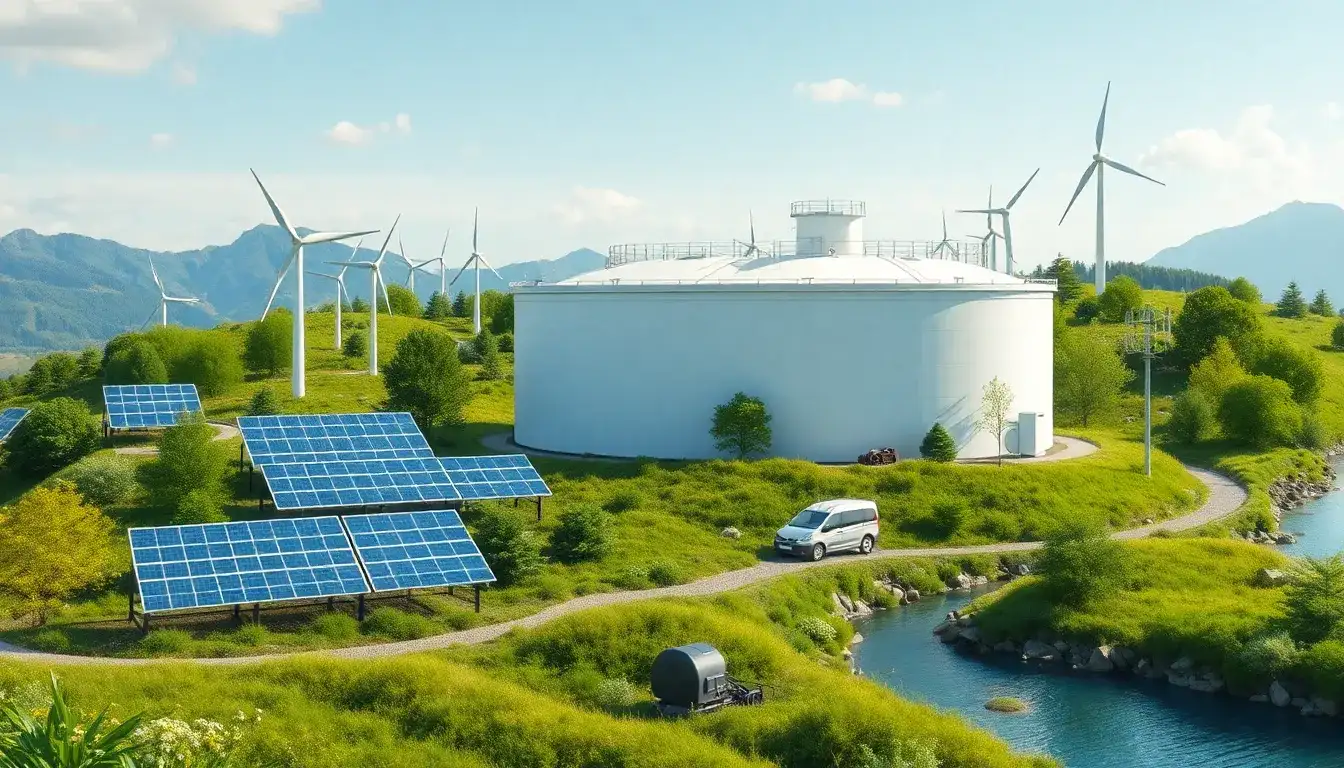
Environmental Benefits of Thermal Energy Storage
1. Reduction in Greenhouse Gas Emissions
Thermal energy storage can significantly reduce greenhouse gas emissions by shifting energy usage from peak to off-peak hours. This reduces the need to activate less efficient fossil fuel-based power plants, which are often used during peak demand periods and contribute heavily to emissions.
2. Facilitating Renewable Energy Integration
TES enhances the integration of renewable energy sources into the grid by storing energy generated from solar or wind power. This stored energy can be used during peak hours, reducing reliance on non-renewable sources and making renewables more viable.
3. Energy Efficiency and Cost Savings
By utilizing energy when it is cheaper (typically during off-peak hours), TES increases overall energy efficiency and reduces costs. This efficiency also leads to lower operational costs and helps manage energy demand more effectively.
4. Reduced Need for Additional Power Plants
By reducing peak demand through energy storage, TES decreases the need to build additional power plants, many of which would otherwise be fossil fuel-based. This helps mitigate the environmental impact associated with constructing and operating these facilities.
5. Increased Water Conservation
In some scenarios, thermal energy storage can help reduce water usage over the life cycle of energy production. This is particularly relevant when comparing it to systems that rely heavily on water for cooling or as a resource in production.
Overall, thermal energy storage is a critical component in creating a more sustainable energy system, capable of reducing emissions and supporting a shift towards renewable energy sources.
Original article by NenPower, If reposted, please credit the source: https://nenpower.com/blog/what-are-the-environmental-benefits-of-using-thermal-energy-storage/

