

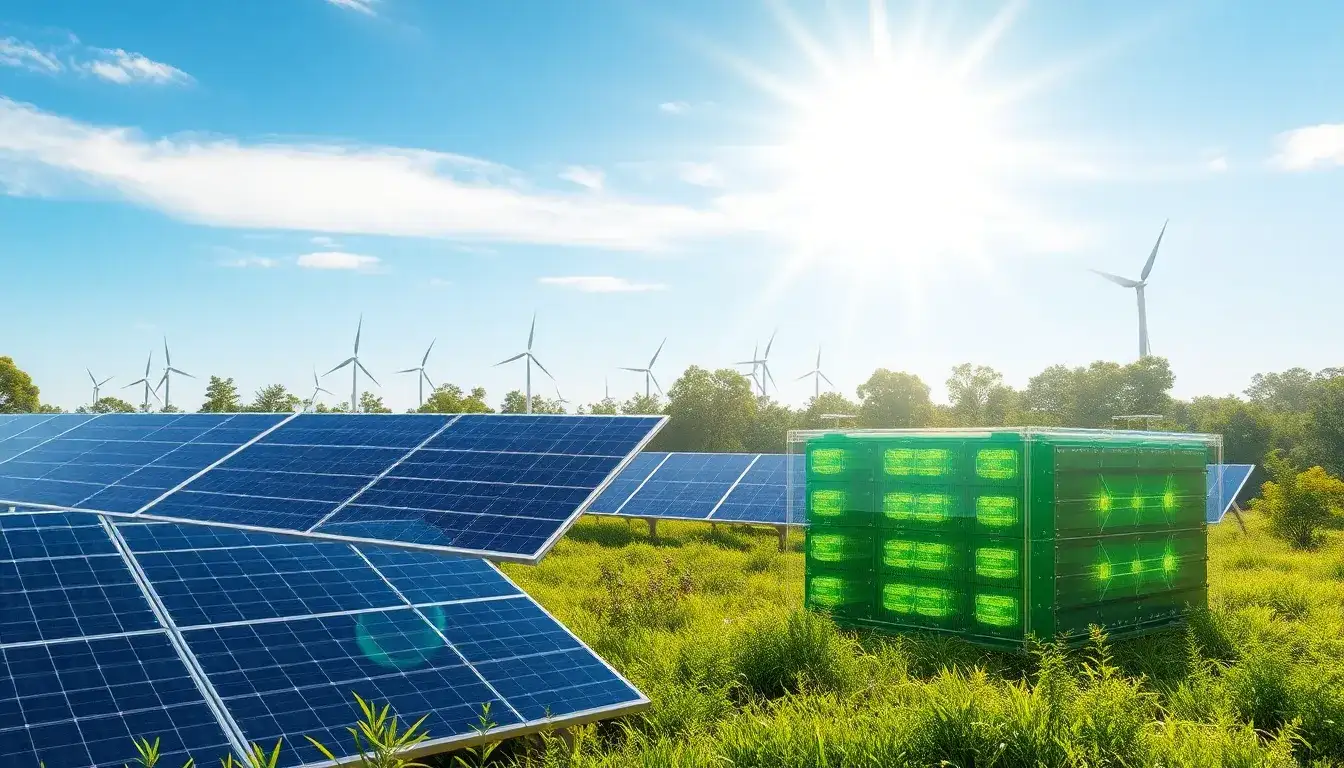
The environmental benefits of using solid-state batteries (SSBs) for solar energy storage are substantial due to their unique design and material properties compared to conventional lithium-ion batteries.
Key Environmental Benefits
1. Increased Energy Density and Efficiency
Solid-state batteries offer significantly higher energy density, allowing more energy to be stored in a smaller, lighter package. This means solar energy can be stored more efficiently, reducing the physical footprint of storage systems for residential or commercial use. Higher energy density also translates to longer-lasting battery packs, which means fewer batteries are needed over time, reducing the demand for raw materials and manufacturing impacts.
2. Enhanced Safety and Reduced Environmental Risk
SSBs use solid electrolytes instead of the liquid electrolytes found in lithium-ion batteries. Liquid electrolytes are flammable and volatile, posing risks of fire and explosion, which can lead to environmental contamination and health hazards. Solid electrolytes increase chemical and thermal stability, greatly reducing the risk of fires and leaks. This safer operation decreases the environmental hazards related to battery failure or disposal.
3. Longer Lifespan and Durability
Solid-state batteries degrade more slowly than traditional batteries, supporting long-term use. Their enhanced durability and resistance to degradation make them well suited for long-term solar energy projects, ensuring consistent energy storage performance over decades. This longevity means fewer battery replacements, reducing waste generation and the environmental burden associated with battery manufacturing and disposal.
4. Lower Carbon Footprint
Research indicates that SSBs can reduce the carbon footprint of battery usage by around 39-40%, particularly when manufactured using sustainably sourced raw materials. This reduction arises from improved energy efficiency, less material use due to compact design, and longer service life, enabling cleaner integration of solar energy with lower overall emissions throughout the battery lifecycle.
5. Greater Recyclability and Reduced Toxic Materials
Solid-state batteries tend to use fewer harmful and toxic materials than traditional lithium-ion cells, making recycling easier and less environmentally damaging. This improves end-of-life handling and reduces hazardous waste, contributing to a cleaner sustainable energy ecosystem.
Summary
| Environmental Benefit | Explanation |
|---|---|
| Higher energy density | Stores more solar energy efficiently, reducing size and material demands |
| Enhanced safety | Solid electrolytes reduce fire/explosion risks, minimizing environmental contamination risk |
| Longer lifespan and durability | Supports long-term solar storage, reducing waste and replacement frequency |
| Lower carbon footprint | Cuts lifecycle emissions by 39-40%, especially with sustainable raw materials |
| Improved recyclability | Uses fewer harmful materials, making recycling safer and less toxic |
By integrating solid-state batteries for solar energy storage, renewable energy systems gain a safer, more efficient, and environmentally friendly storage solution that supports a cleaner energy transition with reduced ecological impact. This positions SSBs as a promising technology to enhance solar energy adoption and sustainability.
Original article by NenPower, If reposted, please credit the source: https://nenpower.com/blog/what-are-the-environmental-benefits-of-using-solid-state-batteries-for-solar-energy-storage/

