

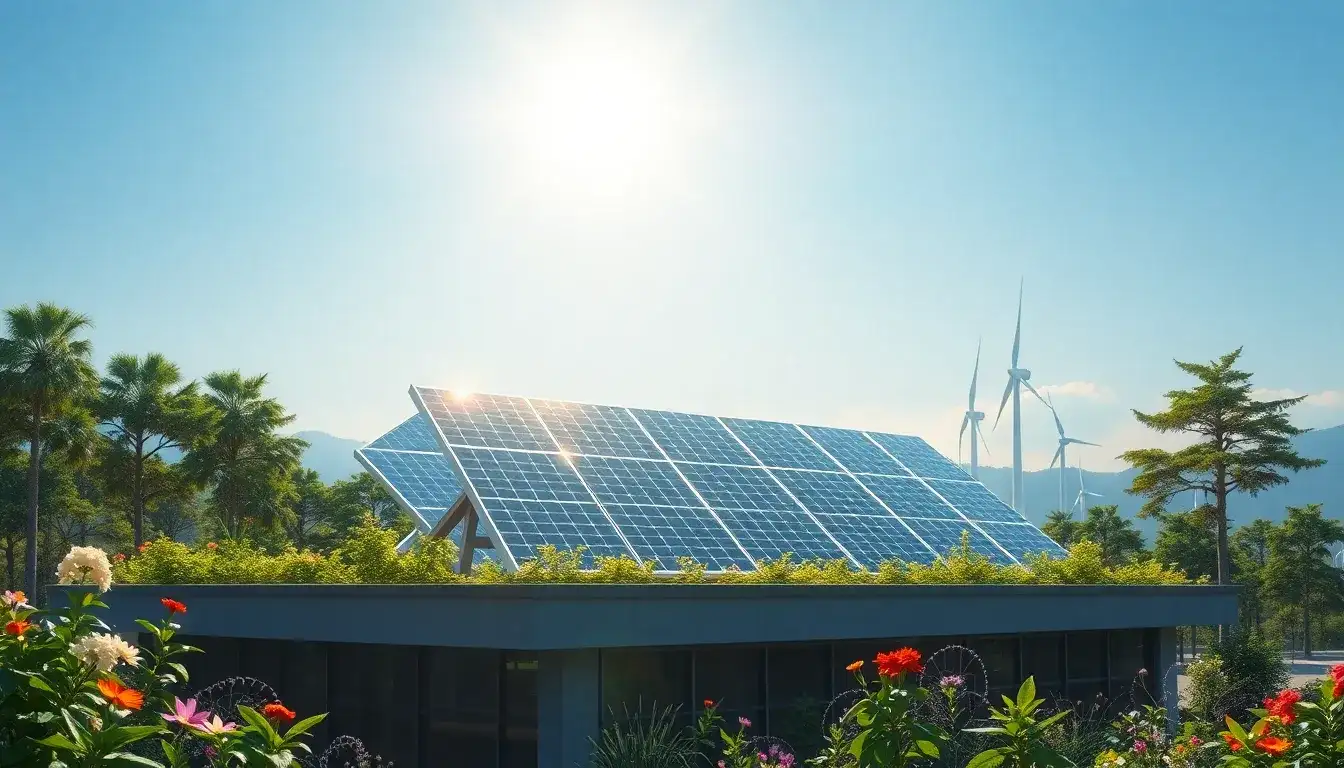
N-type Solar Panels: Key Environmental Benefits
N-type solar panels offer several significant environmental benefits linked to their advanced technology, higher efficiency, and improved durability compared to traditional P-type panels. These benefits contribute to a more sustainable and eco-friendly approach to solar energy production.
Key Environmental Benefits of N-Type Solar Panels
1. Higher Energy Efficiency and Lower Carbon Footprint
N-type panels convert sunlight to electricity more efficiently, producing up to about 20-25% more energy than P-type panels. This increased efficiency means more electricity is generated per square meter of solar installation, reducing the total number of panels and land area required for a given energy output. The result is a smaller environmental footprint and less resource consumption per unit of energy produced. Consequently, they contribute significantly to reducing carbon emissions by enabling cleaner energy production at a larger scale.
2. Longer Lifespan and Reduced Degradation
N-type solar panels exhibit superior resistance to common degradation phenomena such as Light-Induced Degradation (LID) and Potential Induced Degradation (PID). This means they maintain their high efficiency over a longer period, often up to 30 years or more, reducing the frequency of replacements. A longer lifespan diminishes waste generation and the environmental impact associated with manufacturing, transporting, and disposing of solar panels.
3. Better Performance in Harsh Conditions
N-type panels perform better under high temperatures and in low-light conditions. This stability in various climates, including hot or less sunny regions, allows for more reliable renewable energy generation, which supports a consistent reduction in fossil fuel use regardless of location. Their resilience decreases the likelihood of premature failure under environmental stresses, contributing to sustainable energy deployment in diverse environments.
4. Sustainable Manufacturing and End-of-Life Recycling
The manufacturing processes of N-type solar panels are more environmentally conscious, often involving less harmful materials and lower energy consumption. Additionally, these panels facilitate improved recycling practices at the end of their lifecycle, enabling recovery of valuable materials like silicon and silver. This reduces landfill waste and the extraction impact of raw materials, further promoting a circular economy in solar technology.
5. Compatibility with Bifacial Technology
Many N-type solar panels support bifacial designs that capture sunlight from both sides, enhancing total energy yield without additional land use. This leads to greater energy generation efficiency per installation footprint, optimizing land use and reducing environmental disturbance.
Summary Table of Environmental Benefits
| Environmental Benefit | Description |
|---|---|
| Higher Efficiency | More energy output per area reduces material and land use demand |
| Longer Lifespan | Reduced panel replacement lowers waste and resource consumption |
| Resistance to Degradation | Maintains performance over time, ensuring consistent clean energy generation |
| Better Temperature and Low-light Performance | Enables effective renewable generation in diverse environments |
| Sustainable Manufacturing | Less harmful materials and lower energy use during production |
| Enhanced Recycling | Easier recovery of materials reduces landfill waste and raw material demand |
| Bifacial Technology Compatibility | Increases energy production without expanding land use |
In conclusion, N-type solar panels advance environmental sustainability through their superior energy conversion efficiency, durability, and eco-friendly manufacturing and recycling features. Their adoption accelerates the transition to cleaner energy with a reduced carbon footprint and less environmental impact across the solar energy lifecycle.
Original article by NenPower, If reposted, please credit the source: https://nenpower.com/blog/what-are-the-environmental-benefits-of-using-n-type-solar-panels/

