

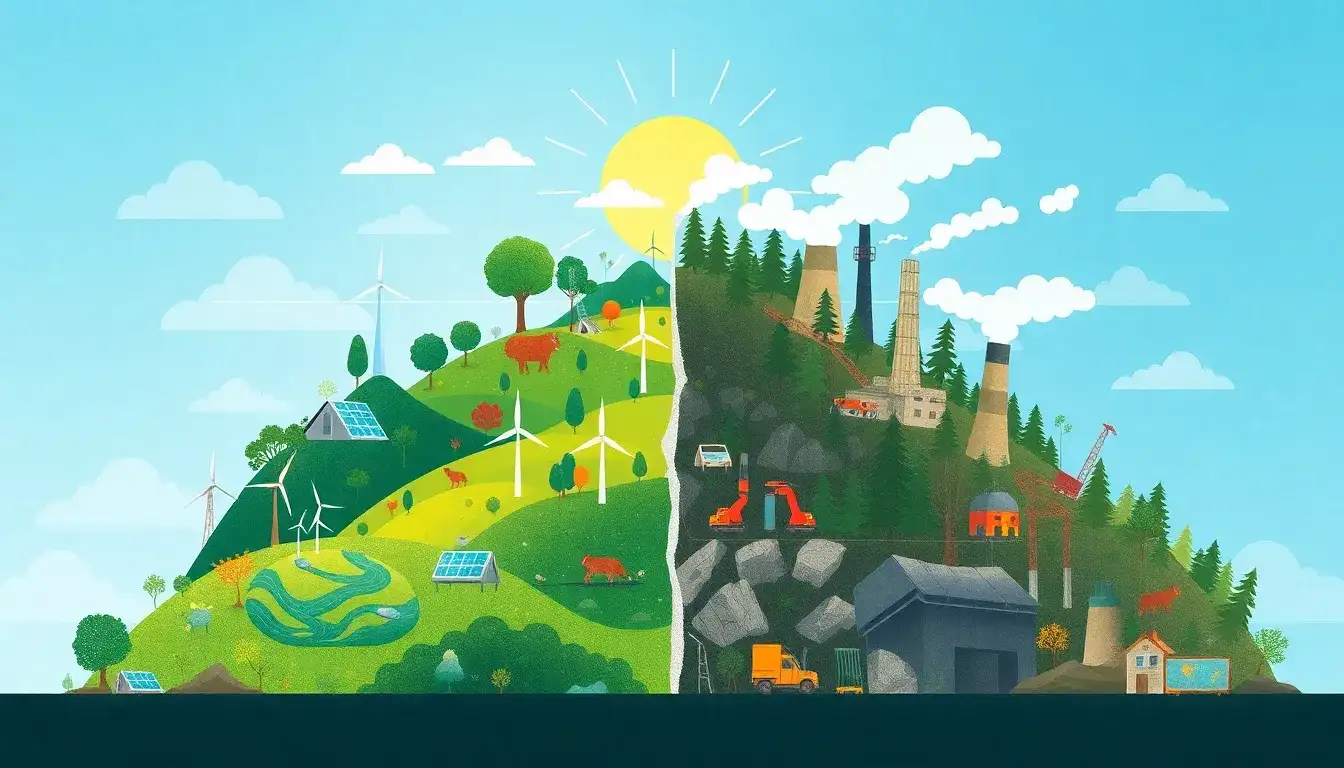
Lithium-sulfur (Li-S) batteries offer several environmental benefits over traditional lithium-ion (Li-ion) batteries primarily due to differences in their material composition and resource requirements:
- Use of Abundant and Less Resource-Intensive Materials: Li-S batteries use sulfur, which is an abundant and low-cost material. The extraction and processing of sulfur are less resource-intensive compared to the cobalt and nickel used in many lithium-ion batteries, which involve more environmentally damaging mining practices.
- Lower Mineral Resource Impact: Life cycle assessments indicate that Li-S batteries have a potentially lower mineral resource impact compared to conventional lithium-ion batteries that use nickel-cobalt-manganese cathodes. The environmental impact of Li-S batteries can be 9–90% lower than that of some Li-ion counterparts when benchmarked for mobility applications.
- Simplified Composition Facilitating Easier Recycling: The simpler material makeup of Li-S batteries could make recycling easier and reduce the overall environmental footprint associated with battery end-of-life management.
- Reduced Dependency on Scarce Metals: By relying less on scarce and conflict-prone metals like cobalt, Li-S batteries reduce the environmental and social issues tied to mining these materials.
However, while Li-S batteries mitigate some environmental harms associated with Li-ion batteries, they still contain lithium, which is extracted through mining processes that can cause deforestation and water pollution. Additionally, some advanced Li-S battery designs involve energy-intensive manufacturing steps (e.g., modification of carbon nanotubes), which must be addressed through improved recycling and production methods to further minimize environmental impact.
In summary, lithium-sulfur batteries have the potential to be more environmentally friendly than lithium-ion batteries due to their use of abundant sulfur, lower mineral resource requirements, and simpler recycling, although challenges remain with lithium sourcing and manufacturing energy use.
Original article by NenPower, If reposted, please credit the source: https://nenpower.com/blog/what-are-the-environmental-benefits-of-using-lithium-sulfur-batteries-over-lithium-ion-batteries/

