

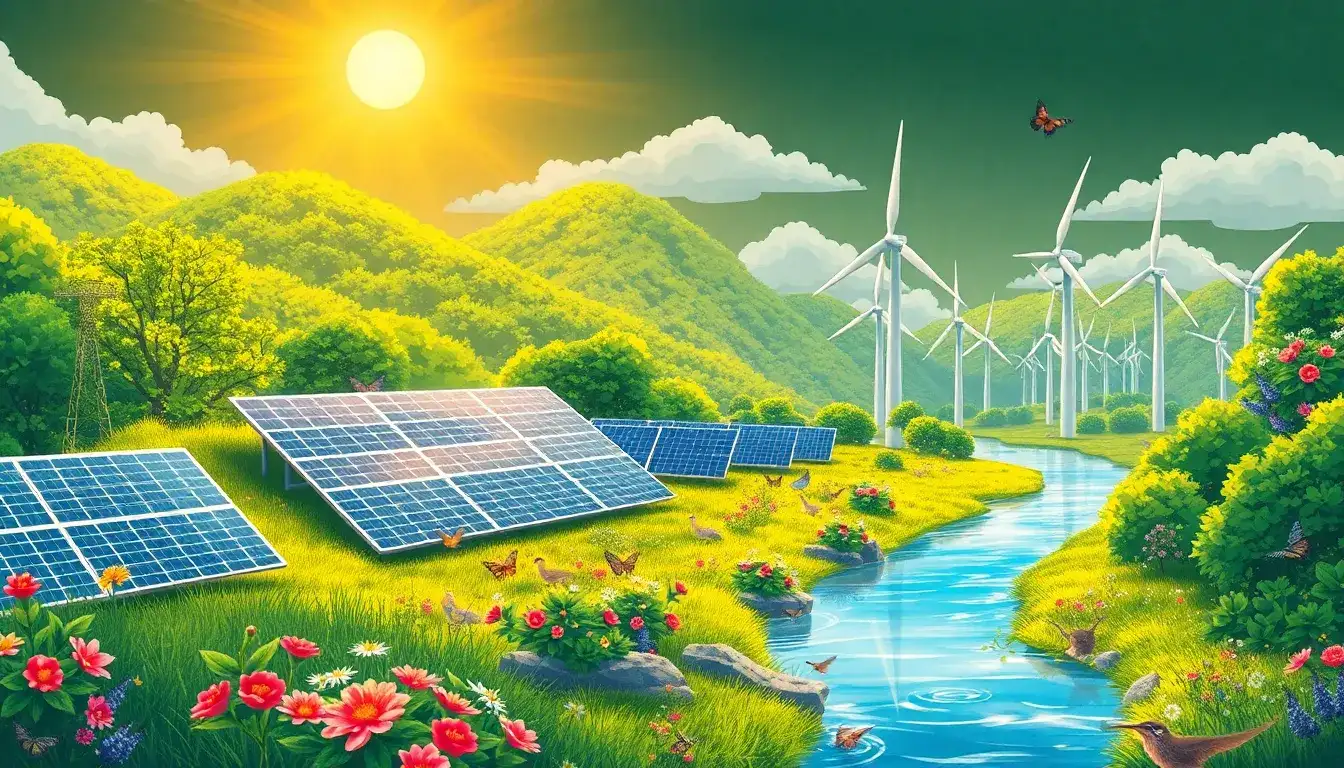
Lithium-ion batteries offer several environmental benefits when integrated into renewable energy systems:
1. Enable Efficient Use of Renewable Energy:
Lithium-ion batteries can store energy generated from renewable sources like solar, wind, tidal, bio-fuels, and hydropower. This storage capability helps balance the intermittent nature of renewables by saving energy when production exceeds demand and releasing it when generation is low, thus maximizing clean energy utilization and minimizing reliance on fossil fuel backup power.
2. Significant Carbon Emission Reduction:
By facilitating greater penetration of renewable energy into the grid, lithium-ion batteries help reduce carbon dioxide and other greenhouse gas emissions associated with fossil fuel-based electricity generation. This supports climate change mitigation efforts.
3. Improved Air Quality:
Transitioning from fossil fuel combustion to renewable energy storage reduces emissions of harmful air pollutants such as sulfur dioxide, nitrogen oxides, and particulate matter, leading to better public health outcomes and reduced pollution-related diseases.
4. Long Service Life and Reduced Waste:
Lithium-ion batteries have a long cycle life, capable of thousands of recharges, which lowers overall consumption of raw materials and electronic waste over time. Although recycling processes still need optimization, extended battery lifespan contributes to environmental sustainability by reducing the frequency of replacements.
5. Enhanced Resilience and Energy Security:
Stored energy in lithium-ion batteries can provide backup power during outages or natural disasters, supporting grid resilience without resorting to polluting diesel generators or other emergency fossil fuel sources.
6. Lower Toxicity Compared to Alternatives:
In applications like marine propulsion, lithium-ion batteries reduce environmental risks by not producing toxic byproducts typical of lead-acid batteries, decreasing potential contamination of natural habitats.
In summary, lithium-ion batteries are pivotal to unlocking the environmental benefits of renewable energy by enabling efficient storage and use of clean power, lowering greenhouse gas emissions, improving air quality, extending battery life, enhancing grid resilience, and reducing toxic pollution compared to older technologies.
Original article by NenPower, If reposted, please credit the source: https://nenpower.com/blog/what-are-the-environmental-benefits-of-using-lithium-ion-batteries-in-renewable-energy-systems/

