

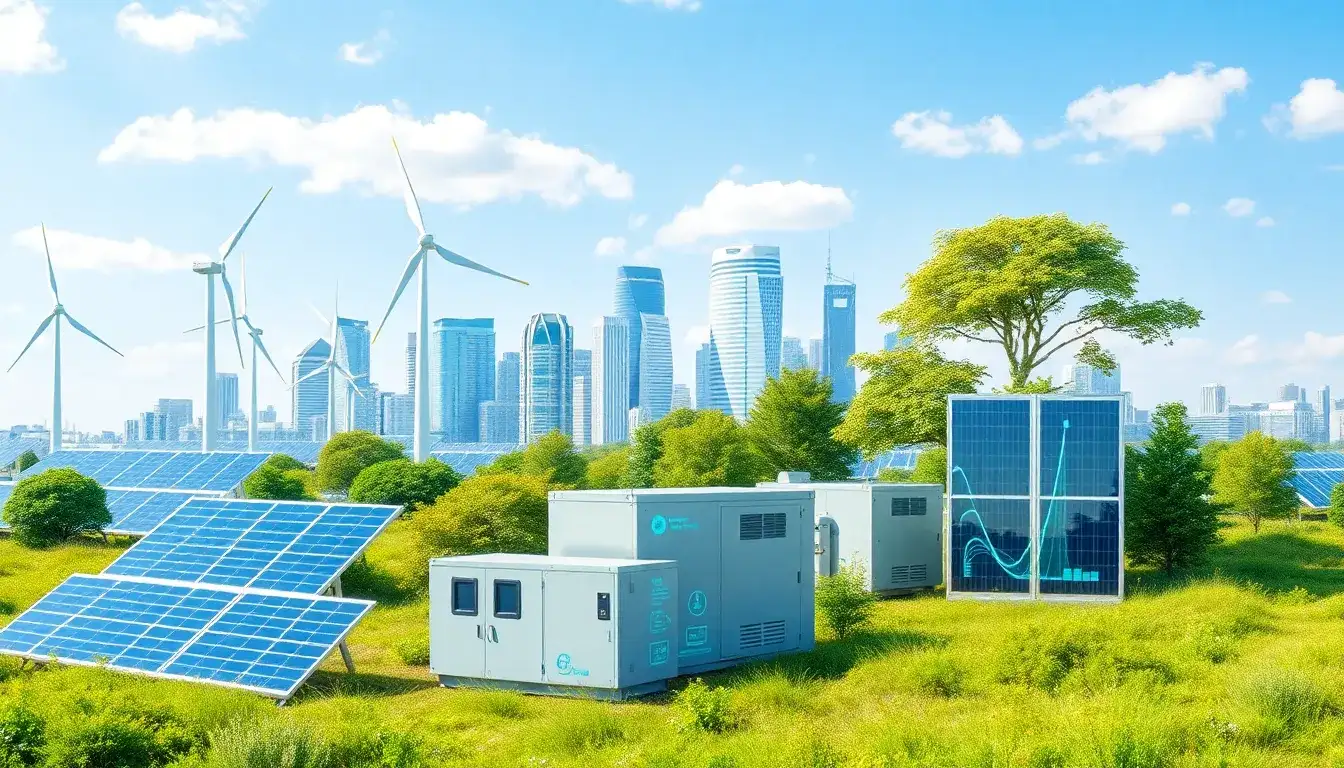
The use of lithium-ion batteries for enhancing grid stability offers several environmental benefits:
- Reduction in Carbon Emissions: By storing energy produced during off-peak hours and discharging it during peak demand, lithium-ion batteries reduce the reliance on fossil fuel power plants. This not only stabilizes the grid but also significantly lowers carbon emissions, contributing to cleaner air and a healthier environment.
- Intermittent Renewable Energy Integration: Lithium-ion batteries help integrate renewable energy sources like solar and wind into the grid more efficiently. They store excess energy generated during periods of high renewable production and release it during times of insufficient generation, ensuring a smoother supply of energy and reducing the need for non-renewable sources.
- Sustainable Energy Storage Solution: Lithium-ion batteries provide a sustainable way to manage energy supply and demand, reducing the strain on the grid and preventing overloads. This efficient management contributes to a more stable and resilient energy system.
- Second-Life Applications: Even when lithium-ion batteries from electric vehicles reach the end of their life cycle for automotive use, they can still be repurposed for stationary energy storage. This significantly extends their lifespan and reduces waste, making them a more sustainable option for energy storage needs.
Overall, lithium-ion batteries play a crucial role in supporting the transition to renewable energy systems by providing a reliable and efficient means of energy storage, which is essential for achieving a more sustainable and environmentally friendly energy grid.
Original article by NenPower, If reposted, please credit the source: https://nenpower.com/blog/what-are-the-environmental-benefits-of-using-lithium-ion-batteries-for-grid-stability/

