Environmental Benefits of Lighter Batteries in PHEVs
- Reduced Mining Footprint:
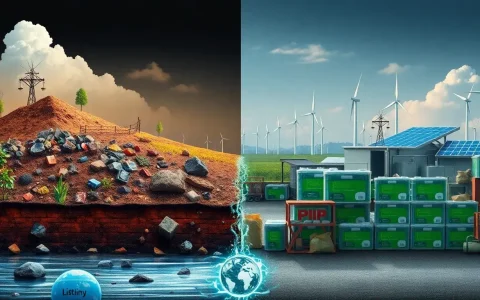
- Lighter batteries require fewer materials for their construction, such as lithium, nickel, and cobalt, thereby reducing the mining footprint associated with battery production.
- Energy Efficiency:
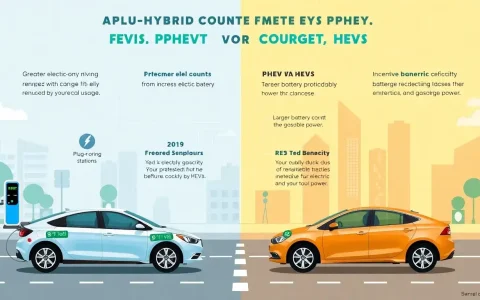
- Lighter vehicles, including PHEVs with lighter batteries, tend to be more fuel-efficient. This means they consume less energy for movement, which can lead to lower emissions when operating in hybrid mode.
- Emissions Reduction:
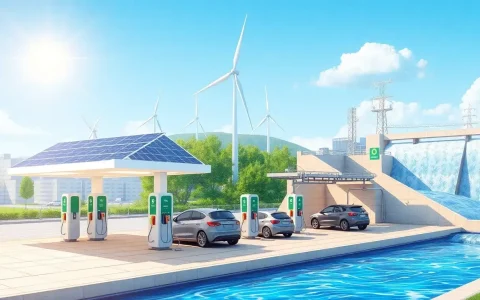
- PHEVs, even with lighter batteries, can still operate in electric mode, reducing emissions compared to conventional petrol vehicles. The extent of emissions reduction depends on how frequently the vehicle runs on electricity and the cleanliness of the electricity source used for charging.
- Potential for Smarter Grid Integration:
- While fully electric vehicles might play a role in balancing the grid with vehicle-to-grid (V2G) technologies, PHEVs with lighter batteries also benefit from this potential by needing less storage capacity. However, they still contribute to cleaner energy usage by optimizing energy storage and ancillary services.
- Resource Conservation:
- Reducing the weight and size of batteries in PHEVs can lead to more efficient use of resources in production and maintenance, aligning with goals of reducing overall environmental impact from transportation.
Overall, using lighter batteries in PHEVs contributes to a cleaner and more sustainable transportation system by optimizing energy consumption and minimizing environmental impacts during both production and use.
Original article by NenPower, If reposted, please credit the source: https://nenpower.com/blog/what-are-the-environmental-benefits-of-using-lighter-batteries-in-phevs/