

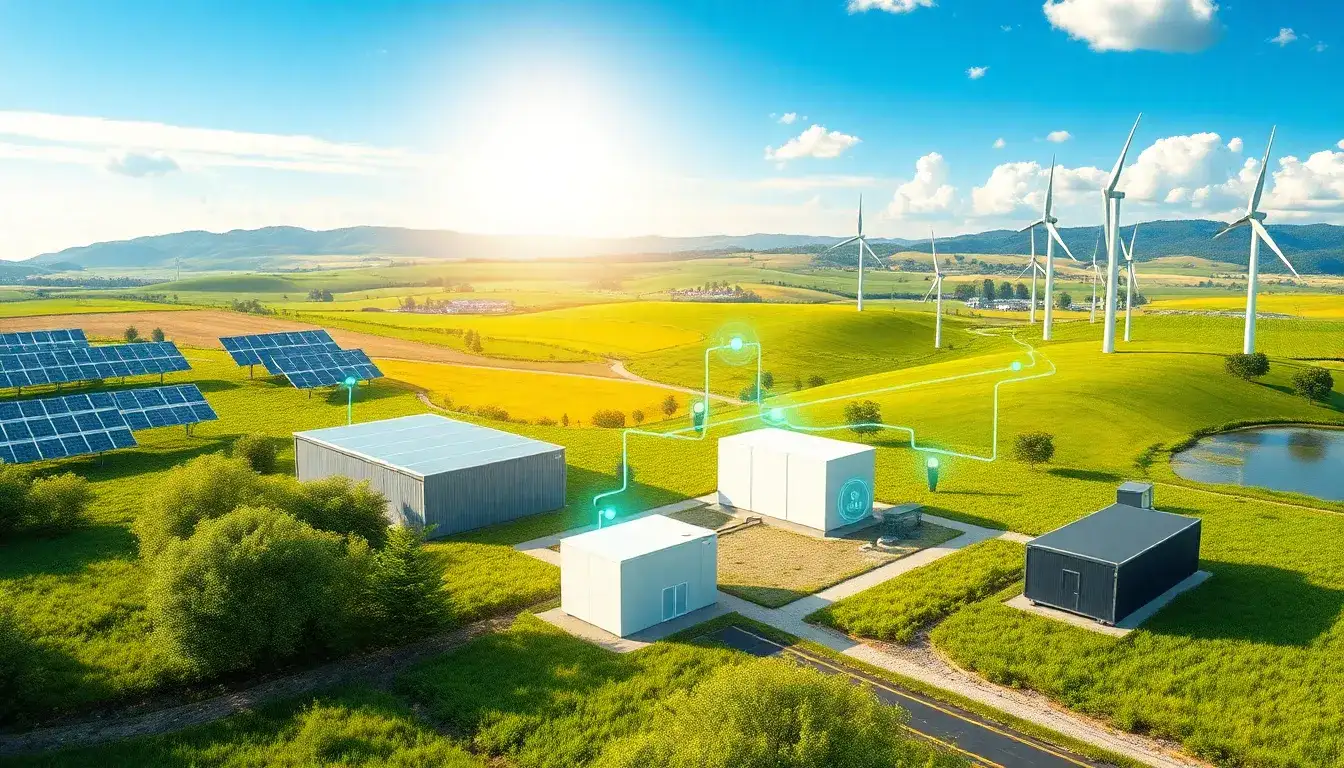
Using energy storage systems with renewable energy sources offers several significant environmental benefits:
- Integration of Renewable Energy: Energy storage systems enable the efficient integration of renewable energy sources like solar and wind into the grid. This is crucial because these sources are intermittent, and energy storage helps manage their fluctuating output, ensuring continuous power supply without reliance on fossil fuels.
- Reduction of Greenhouse Gas Emissions: By storing excess energy generated from renewables and using it during peak demand, energy storage reduces the need for backup power plants that often burn fossil fuels, thus decreasing greenhouse gas emissions.
- Enhanced Grid Stability and Efficiency: Energy storage systems help flatten the demand curve and optimize the use of existing infrastructure, reducing the strain on the grid and minimizing energy waste. This approach enhances overall system efficiency and reduces the need for additional power generation.
- Promotion of Local Energy Generation: Energy storage supports distributed energy resources by storing locally generated power, reducing transmission losses and enhancing self-sufficiency at the local level.
- Sustainability and Lifespan: Many energy storage technologies, such as lithium-ion batteries, have extended lifespans and are becoming more recyclable, reducing waste and the demand for new raw materials.
- Environmental Impact Reduction Through Reduced Curtailment: Energy storage prevents renewable energy from being curtailed during periods of low demand, ensuring that clean energy is not wasted.
Original article by NenPower, If reposted, please credit the source: https://nenpower.com/blog/what-are-the-environmental-benefits-of-using-energy-storage-systems-with-renewable-energy/

