

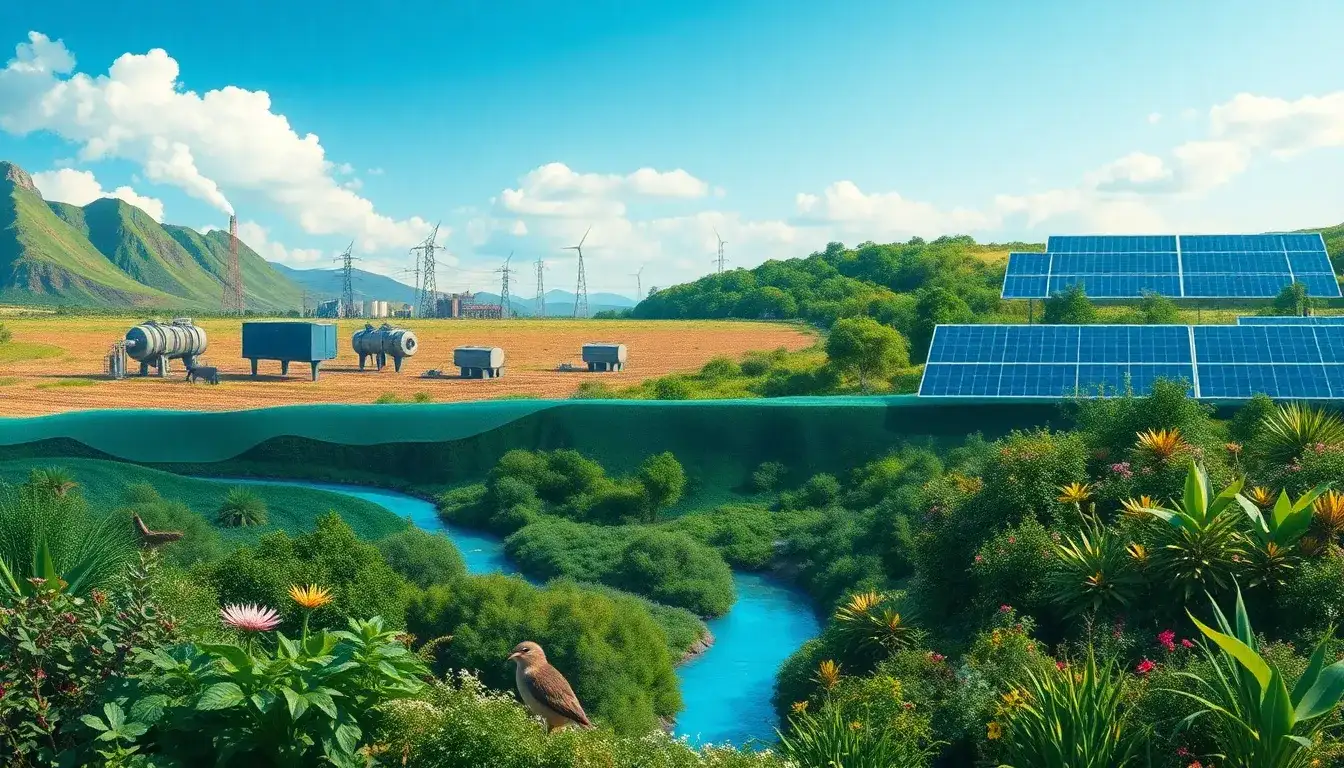
Environmental Benefits of Utility-Scale Batteries Over Diesel Generators
1. Emission Reduction
- No Emissions: Utility-scale batteries do not produce harmful emissions such as carbon dioxide, nitrogen oxides, or particulate matter during operation, unlike diesel generators, which are significant polluters.
- Reduced Greenhouse Gases: By reducing reliance on diesel, these systems help lower the carbon footprint and contribute to mitigating climate change.
2. Noise Pollution Reduction
- Quiet Operation: Battery energy storage systems operate silently, eliminating the noise pollution associated with the operation of diesel generators, making them more suitable for residential and sensitive environments.
3. Fuel Savings and Reduced Resource Consumption
- No Fuel Required: Utility-scale batteries do not need diesel fuel for operation, which reduces the environmental impacts associated with fuel extraction, transportation, and storage.
- Resource Conservation: By eliminating the need for diesel fuel, these systems contribute to conserving fossil resources and reducing their environmental impact.
4. Enhanced Renewable Energy Integration
- Support for Variable Renewables: Utility-scale batteries can store excess energy generated from renewable sources like solar and wind, enabling greater penetration of these clean energy sources into the grid and reducing reliance on fossil fuels.
5. Waste Reduction
- Minimal Waste: Batteries, although requiring recycling at their end-of-life, generally produce less hazardous waste compared to the toxic chemicals and by-products associated with diesel fuel combustion.
Overall, replacing diesel generators with utility-scale batteries is a step towards a cleaner, more sustainable power system that supports both energy security and environmental protection.
Original article by NenPower, If reposted, please credit the source: https://nenpower.com/blog/what-are-the-environmental-benefits-of-replacing-diesel-generators-with-utility-scale-batteries/

