

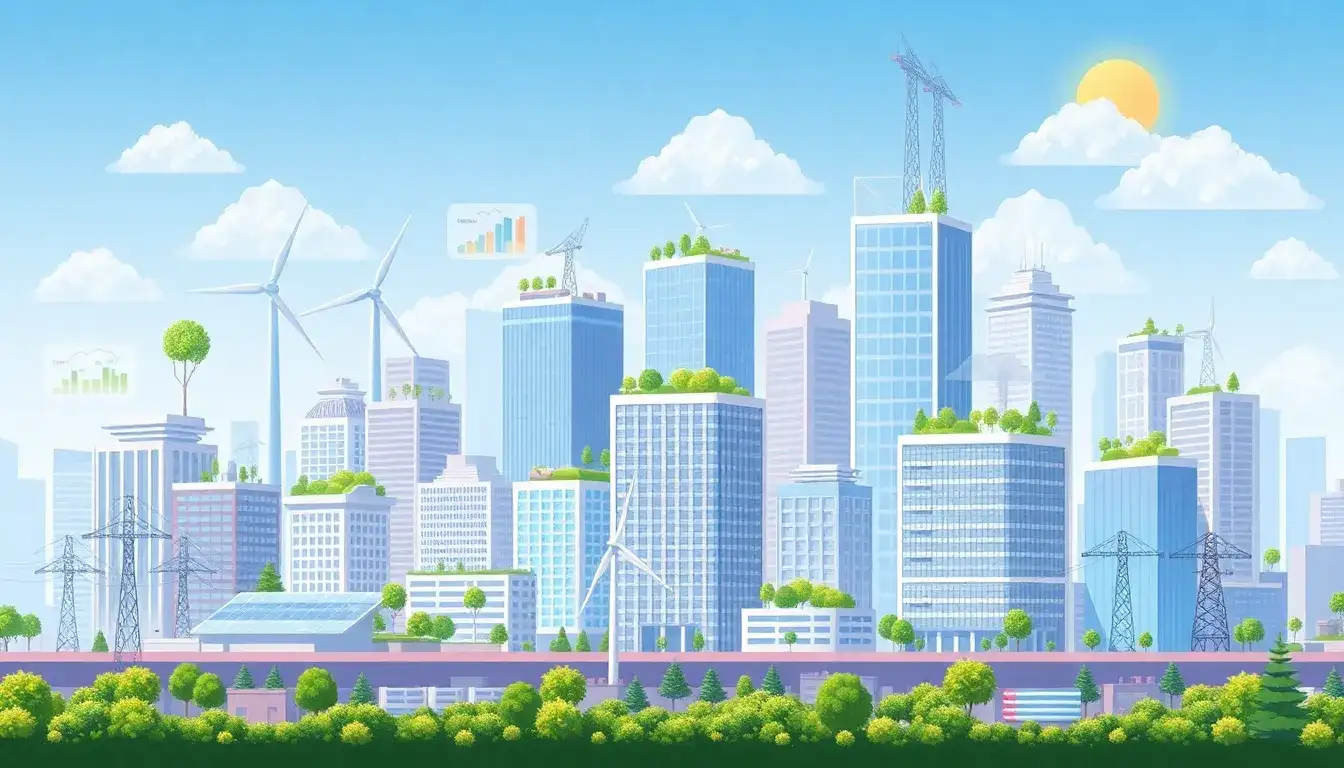
Environmental Benefits of Peak Shaving for Commercial Buildings
Peak shaving, a method used to reduce electricity consumption during peak demand periods, offers several environmental benefits for commercial buildings:
- Reduced Greenhouse Gas Emissions: By decreasing reliance on fossil fuel-based power plants during peak times, peak shaving helps reduce greenhouse gas emissions. This is particularly effective when combined with renewable energy sources or efficient generation systems.
- Lower Air Pollution: Peak shaving leads to a decrease in air pollution by minimizing the need for high-capacity, often fossil fuel-driven, electricity generation facilities. This cleaner approach contributes to a healthier environment.
- Increased Renewable Energy Use: Peak shaving facilitates the integration of renewable energy sources like solar and wind. By storing excess energy generated during low-demand periods and using it during peak hours, it mitigates the intermittency of renewables, promoting cleaner energy use.
- Improved Grid Stability: Reducing strain on the grid during peak demand times lowers the risk of grid overloads and potential blackouts. This stability ensures a more reliable and efficient energy supply.
- Scope 2 Emissions Reduction: Peak shaving helps commercial buildings reduce their Scope 2 emissions by optimizing energy consumption and shifting away from grid power during peak times, which is often less clean.
Original article by NenPower, If reposted, please credit the source: https://nenpower.com/blog/what-are-the-environmental-benefits-of-peak-shaving-for-commercial-buildings/

