

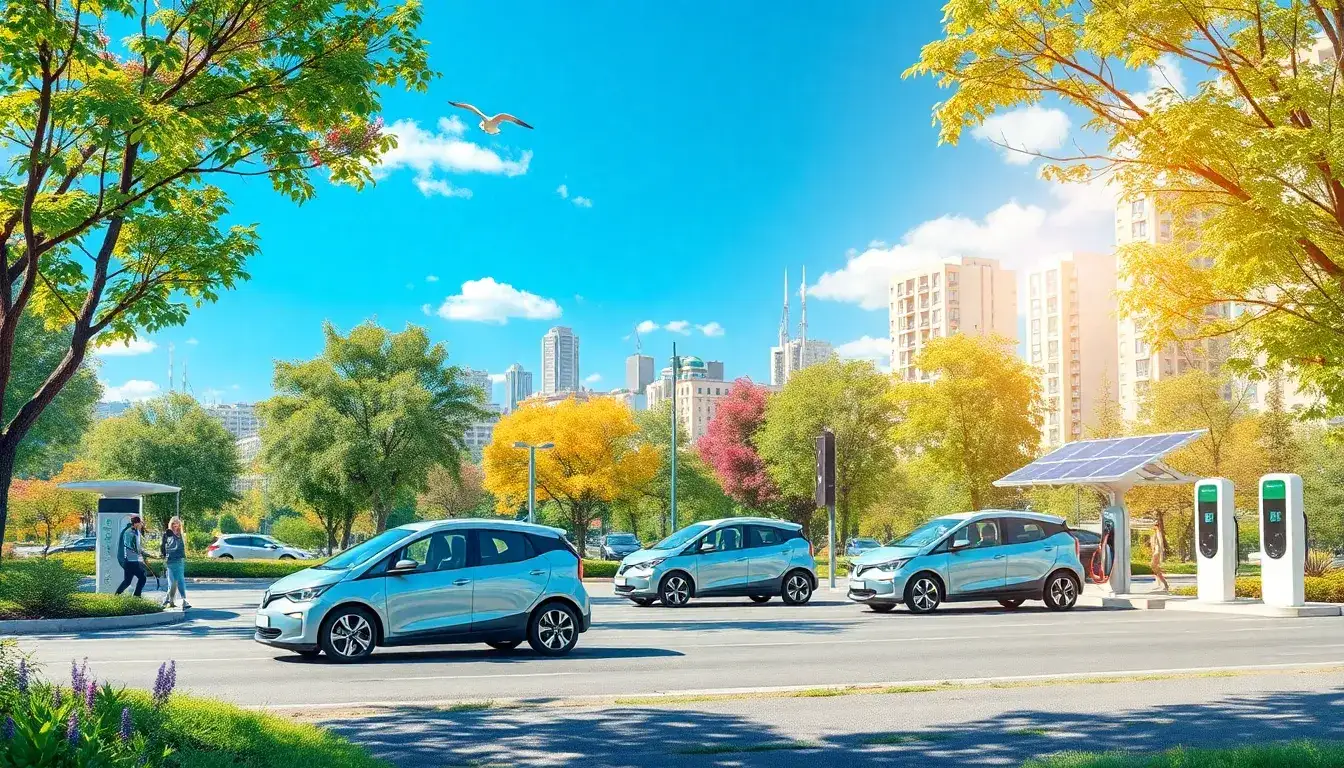
Environmental Benefits of Electric Vehicles (EVs) During Operational Phase
During their operational phase, electric vehicles (EVs) offer several environmental benefits compared to conventional gasoline or diesel vehicles:
- Zero Tailpipe Emissions: All-electric vehicles and plug-in hybrid electric vehicles (PHEVs) produce zero tailpipe emissions when running on electricity. This significantly reduces air pollutants and greenhouse gas emissions in urban areas, improving public health and environmental quality.
- Lower Fuel-Cycle Emissions: Even considering the emissions from electricity generation, EVs generally have lower life cycle emissions in regions with clean energy sources. In areas where renewable energy is used for electricity generation, EVs typically offer a substantial life cycle emissions advantage over traditional vehicles.
- Improved Fuel Economy and Reduced Energy Consumption: EVs convert about 60% to 70% of the electrical energy from the grid to power the vehicle, while gasoline vehicles only convert about 20% of the energy in gasoline to power the vehicle. This makes EVs more efficient in terms of energy use.
- Contribution to Sustainable Transportation: As the transportation sector is one of the largest sources of greenhouse gas emissions, transitioning to EVs can help reduce the sector’s overall emissions, contributing to a more sustainable transportation system.
In summary, the operational phase of EVs is environmentally beneficial due to reduced emissions, improved efficiency, and contribution to sustainable transportation. However, the environmental impact of manufacturing and the source of electricity used are also crucial factors in the overall sustainability of EVs.
Original article by NenPower, If reposted, please credit the source: https://nenpower.com/blog/what-are-the-environmental-benefits-of-evs-during-their-operational-phase/

