

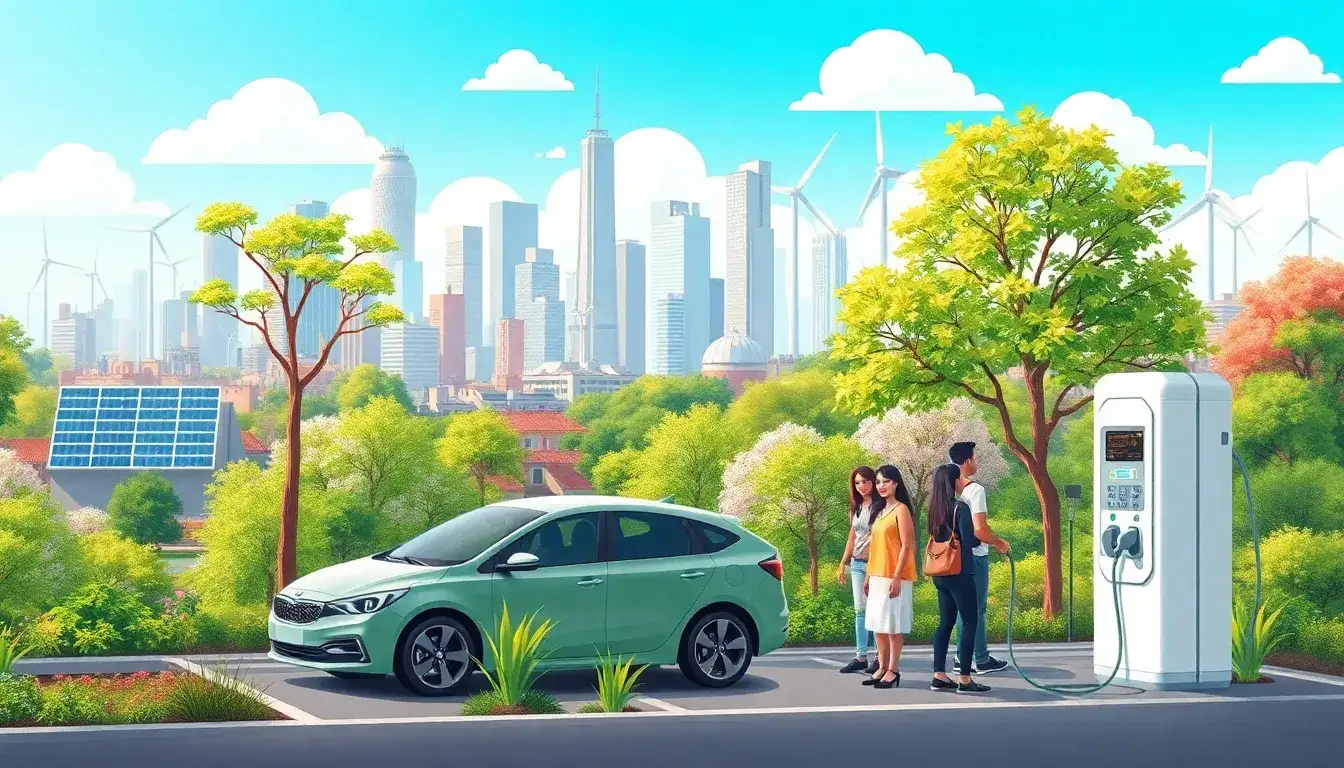
The environmental benefits of electric vehicle (EV) subsidies are multifaceted and contribute significantly to reducing the ecological impact of transportation:
- Reduction in Greenhouse Gas Emissions: EV subsidies encourage the adoption of electric vehicles, which produce zero tailpipe emissions, thus reducing greenhouse gas emissions that contribute to climate change. This is particularly beneficial in regions where electricity is generated from low-polluting sources.
- Improved Air Quality: By incentivizing the shift from fossil fuel-based vehicles to electric vehicles, EV subsidies help decrease air pollution. This improvement in air quality leads to better public health outcomes by reducing respiratory diseases and other health issues associated with poor air quality.
- Dependence on Renewable Energy: As the electricity grid becomes increasingly powered by renewable energy sources, the life cycle emissions of EVs decrease further, making them a more sustainable option compared to conventional vehicles.
- Mitigation of Climate Change: By reducing CO2 emissions, EV subsidies play a critical role in slowing the progression of climate change. Studies have shown that increased EV adoption can lead to substantial avoided health impacts and economic benefits, such as savings from reduced fuel consumption.
- Sustainable Development: Promoting electric vehicles through subsidies supports sustainable development and enhances resilience to environmental challenges by reducing reliance on finite fossil fuel resources.
Original article by NenPower, If reposted, please credit the source: https://nenpower.com/blog/what-are-the-environmental-benefits-of-ev-subsidies/

