

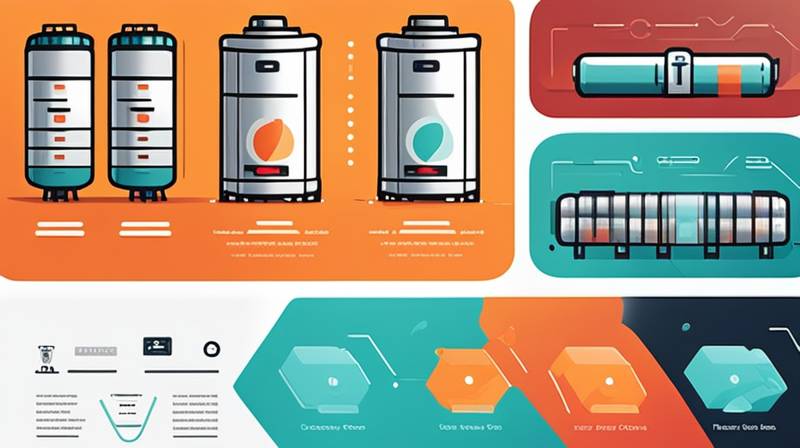
Energy storage system projects encompass diverse innovations and mechanisms designed to capture and store energy for later use. 1. These projects are pivotal for integrating renewable energy sources, 2. they facilitate grid stability and reliability, 3. they enhance energy efficiency, and 4. they can contribute to lowering energy costs. One of the most significant aspects of energy storage systems is their role in bridging the gap between energy production and consumption. The increasing reliance on intermittent energy sources, such as solar and wind, necessitates advanced storage solutions to ensure a steady power supply.
1. INTRODUCTION TO ENERGY STORAGE SYSTEMS
Energy storage systems play a critical role in the modern energy landscape, shifting the paradigm from conventional energy production and consumption to a more sustainable and efficient model. These systems are designed to absorb and retain electrical energy when it is abundant and release it when demand surges or supply dips. The adaptability of these systems allows them to serve various applications, from reducing peak load demands to enhancing the resilience of the electricity grid.
The need for advanced energy storage has never been more pronounced. As the global focus on reducing carbon emissions intensifies, energy generation from renewable sources becomes increasingly essential. However, the inherent variability in renewable generation necessitates the deployment of effective storage solutions to ensure a consistent energy supply. Consequently, understanding the various types of energy storage projects is essential for stakeholders involved in energy management, policy formulation, and infrastructure development.
2. TYPES OF ENERGY STORAGE SYSTEMS
2.1. MECHANICAL STORAGE: PUMPED HYDRO AND COMPRESSED AIR
Mechanical storage systems are among the oldest and most widely deployed forms of energy storage. Pumped hydro storage (PHS) involves moving water to a higher elevation during periods of low demand and releasing it through turbines to generate electricity during peak demand. This method is characterized by high efficiency and substantial energy capacity, making it an attractive option for large-scale energy storage.
Compressed air energy storage (CAES) entails using excess electricity to compress air in underground caverns, which can later be heated and expanded to drive turbines. This system offers a considerable advantage by providing substantial energy storage capabilities and facilitating the integration of renewable energies into the grid. However, the geographic limitations and infrastructure requirements of both pumped hydro and CAES can pose challenges.
2.2. ELECTRICAL STORAGE: BATTERIES AND FLYWHEELS
The battleground of electrical energy storage today is dominated by various battery technologies. Lithium-ion batteries are particularly notable for their high energy density, efficiency, and declining costs. They have become the preferred storage solution in high-performance applications, including electric vehicles and grid energy storage projects. However, their environmental impact and resource scarcity prompt the exploration of alternative battery technologies.
Flywheel energy storage systems utilize kinetic energy from a spinning rotor to store and retrieve energy. They excel in providing rapid, short bursts of energy, which makes them ideal for frequency regulation and grid stability applications. Flywheels can endure numerous charge and discharge cycles without significant degradation, thus offering longevity and reliability.
3. CHEMICAL AND THERMAL STORAGE SOLUTIONS
3.1. FLOW BATTERIES AND HYDROGEN STORAGE
Beyond conventional batteries, flow batteries represent a unique approach to energy storage. Unlike traditional batteries, flow batteries store energy in liquid electrolytes contained in separate tanks, allowing for scalability and extended discharge times. Their potential for long-duration energy storage makes them suitable for applications that require energy over extended periods.
Hydrogen energy storage involves the electrolysis of water to generate hydrogen from excess electricity, which can be stored and later utilized in fuel cells for power generation. Hydrogen as an energy storage medium presents multifaceted advantages, including a high energy-to-weight ratio and the ability to utilize existing natural gas infrastructure for distribution. Despite its promise, challenges remain in terms of efficiency, safety, and production sustainability.
3.2. THERMAL ENERGY STORAGE
Distinct from electrical and mechanical energy storage, thermal energy storage systems capitalize on heat retention techniques. Molten salt storage systems are primarily employed in concentrated solar power (CSP) plants, where excess thermal energy is stored in molten salt and retrieved to generate electricity during periods of low solar intensity. This allows for continuous electricity generation even when solar output fluctuates.
Additionally, ice storage systems utilize off-peak electricity to create ice, which then cools buildings during peak demand. This method is particularly advantageous in urban environments where cooling loads can spike during the hottest months. By managing electricity demand more effectively, thermal storage plays a significant role in grid efficiency and reducing peak energy costs.
4. DEPLOYMENT AND FUTURE PROSPECTS OF ENERGY STORAGE PROJECTS
4.1. POLICY AND ECONOMIC IMPACTS
The deployment of energy storage systems requires a confluence of supportive policies and favorable economic conditions. Governments worldwide are increasingly recognizing the essential role of energy storage in enhancing energy resilience, reducing greenhouse gas emissions, and integrating renewable energy sources. Consequently, incentives, tax credits, and funding for research and development are being pursued to bolster the growth of energy storage projects.
In addition to policy support, economic drivers such as falling technology costs and increasing energy demand are propelling the market for energy storage solutions. Technological advancements in battery manufacturing, for example, have led to significant drops in prices, making storage systems more accessible for diverse applications.
4.2. TECHNOLOGICAL INNOVATIONS AND RESEARCH
Continued innovation is critical to realizing the full potential of energy storage systems. Research is ongoing to enhance battery technologies, such as exploring new materials or alternative chemistries to increase lifespan and reduce costs. Moreover, integrating artificial intelligence and machine learning into storage management can optimize energy dispatch strategies, enabling more responsive adaptations to changing energy landscapes.
Future prospects for energy storage are also likely to include the convergence of multiple technologies within integrated systems, enhancing overall efficiency and reliability. This multilayered approach can yield more cohesive and adaptable solutions aligned with dynamic energy demand patterns.
FREQUENTLY ASKED QUESTIONS
WHAT IS THE ROLE OF ENERGY STORAGE SYSTEMS IN RENEWABLE ENERGY?
Energy storage systems are pivotal in maximizing the utilization of renewable energy sources such as solar and wind. These sources are characterized by intermittent generation, which can lead to challenges in balancing supply with demand. Storage systems allow excess energy to be captured and stored during times of high generation. Subsequently, this stored energy can be released when production decreases or demand peaks, ensuring a reliable and stable power supply. Storage aids in mitigating issues related to grid congestion and promotes the integration of renewables into the energy mix. Additionally, it helps in stabilizing voltage and frequency within the grid, enhancing overall reliability.
ARE ENERGY STORAGE SYSTEMS ECONOMICALLY VIABLE?
The economic viability of energy storage systems is becoming increasingly favorable. With advancements in technology, particularly in battery production, costs are decreasing significantly. This has led to higher adoption rates across various sectors, including commercial, industrial, and residential applications. Furthermore, governments are providing financial incentives that enhance the return on investment for deploying storage solutions. As energy prices fluctuate, storage systems can help reduce electricity costs by allowing consumers to store energy during off-peak hours and use it during peak price periods. The synergy between storage systems and renewable energy generation creates additional economic incentives, making them a smart investment now and in the future.
WHAT ARE THE ENVIRONMENTAL IMPACTS OF ENERGY STORAGE SYSTEMS?
The environmental impacts of energy storage systems can vary substantially depending on the technologies employed. For instance, battery technologies like lithium-ion can pose challenges due to resource extraction and disposal issues. However, advancements are being made to recycle components and utilize sustainable materials. In contrast, systems like pumped hydro storage can have ecological implications if not managed carefully, including habitat disruption. On the positive side, energy storage systems generally support the transition to a low-carbon economy by enabling higher penetration of renewable energy sources, ultimately reducing reliance on fossil fuels and lowering greenhouse gas emissions. Integrating energy storage into more sustainable practices is essential to minimize these environmental impacts while maximizing benefits.
The exploration of energy storage system projects reveals an intricate landscape of opportunities and challenges inherent in contemporary energy management. Unsurprisingly, these projects exude immense importance amidst the increasing integration of renewable energy sources. As the global community strives to transition from fossil fuels to sustainable energy solutions, energy storage systems provide a crucial backbone to ensure efficient, reliable, and economical energy supply. They serve various purposes beyond mere storage, such as facilitating balancing the energy grid, enhancing energy security, and enabling consumers to save costs through effective energy use.
Cumulatively, the multitude of technologies spanning lithium-ion batteries, pumped hydro, and thermal energy storage indicates a diversified market undergoing rapid evolution. Each technology offers unique benefits and challenges, necessitating thorough analysis and precise applications best suited to regional energy needs and constraints. The convergence of political will, technological innovation, and economic incentives continues to sculpt the future of energy storage systems. It’s become increasingly evident that energy storage solutions are not merely supplemental but rather indispensable for advancing towards a sustainable energy future. This comprehensive embrace will translate into widespread deployment, investment, and research, orchestrating the symbiotic relationship between energy production and consumption harmoniously. In light of these factors, energy storage systems confidently stand poised to navigate the complexities of modern and future energy dynamics.
Original article by NenPower, If reposted, please credit the source: https://nenpower.com/blog/what-are-the-energy-storage-system-projects/

