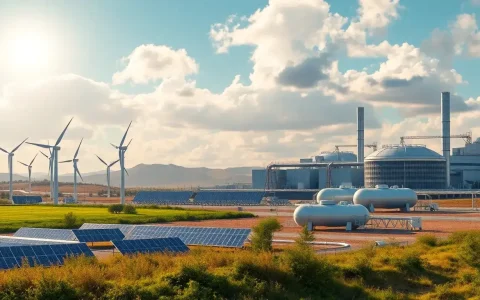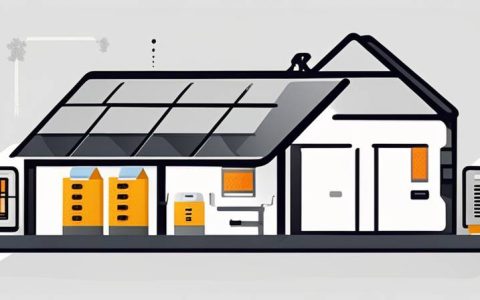
Energy storage solutions encompass various technologies that enable the capture and retention of energy for later use. 1. These solutions are vital for managing electricity demand and supply fluctuations, particularly from renewable sources. 2. Several types of storage methods exist, including mechanical, thermal, chemical, and electrochemical systems. 3. Each technology presents unique advantages and challenges suited to specific applications. 4. As the global energy landscape evolves, the role of effective energy storage becomes increasingly crucial for enhancing efficiency and sustainability. 5. This industry continues to innovate, driven by advancements in materials, technology, and environmental goals. One notable example is lithium-ion batteries, widely adopted due to their high energy density and decreasing costs, making them a go-to option for electric vehicles and grid energy storage.
MECHANICAL ENERGY STORAGE
Mechanical energy storage systems utilize kinetic or potential energy to store power. These systems can be categorized primarily into pumped hydro storage and flywheels. Both methods have their distinct mechanisms and applications, contributing to energy efficiency in various sectors.
PUMPED HYDRO STORAGE
Pumped hydro storage (PHS) is the most established form of large-scale energy storage. This technique involves two water reservoirs situated at different elevations. During periods of low electricity demand, excess power is used to pump water from the lower reservoir to the higher one, effectively storing energy. When demand increases, the stored water is released, driving turbines that generate electricity.
The primary advantage of pumped hydro storage is its ability to offer significant energy capacity. With facilities capable of storing multiple gigawatt-hours, PHS can effectively balance grid demand over extended periods. Furthermore, PHS systems are highly efficient, with round-trip efficiencies often exceeding 70%, making them one of the most economical storage options. However, they come with spatial constraints, requiring specific topographical conditions, which limits their deployment.
FLYWHEEL ENERGY STORAGE
Flywheel energy storage operates on the principle of rotational kinetic energy. A flywheel, composed of a rotor, is accelerated to high speeds using electrical energy. This energy is temporarily stored as rotational energy and can be converted back to electrical energy as needed.
Flywheels offer a rapid response time unmatched by many other storage types, making them ideal for applications that require quick bursts of power, such as frequency regulation in the grid. Their modular nature allows for scalable solutions that can accommodate varying power requirements. Despite these advantages, flywheels generally have lower energy density compared to other storage technologies, making them less suitable for long-duration energy storage. Additionally, mechanical wear and tear over time can affect their performance and lifespan.
ELECTROCHEMICAL ENERGY STORAGE
Electrochemical energy storage encompasses a wide array of battery technologies, including lithium-ion, sodium-sulfur, and flow batteries. These systems convert electricity into stored chemical energy, which can later be transformed back into electricity as required.
LITHIUM-ION BATTERIES
Lithium-ion batteries (Li-ion) have dominated the energy storage landscape, particularly in consumer electronics and electric vehicles. Their high energy density, lightweight design, and decreasing manufacturing costs facilitate widespread adoption. With improvements in battery chemistry and production processes, the cost of lithium-ion batteries has dropped by approximately 85% since 2010, making them increasingly viable for grid-scale storage applications.
However, there are challenges associated with lithium-ion technology, particularly regarding resource sustainability and recycling. The extraction of lithium can lead to environmental degradation, and managing end-of-life batteries is crucial for promoting circular economy principles. Nevertheless, ongoing research into alternative chemistries, such as sodium-ion and solid-state batteries, presents promising avenues for future development.
FLOW BATTERIES
Flow batteries represent a different paradigm in electrochemical storage, utilizing liquid electrolytes circulating through the system to store energy. This configuration allows for independent scaling of power and energy capacity, presenting unique advantages for specific applications, particularly when long-duration energy storage is needed.
One of the key benefits of flow batteries is their longevity and cycle stability, offering operational lifetimes that can exceed 20 years with minimal degradation. These systems are particularly well-suited for renewable energy applications, as they can effectively store and dispatch energy generated during periods of low load. However, the complexity of flow batteries, especially in terms of balancing the chemical components and ensuring containment, can present engineering challenges and potentially higher capital costs compared to conventional battery technologies.
THERMAL ENERGY STORAGE
Thermal energy storage systems harness thermal energy for later use, offering versatile applications ranging from industrial processes to residential heating. Two primary forms of thermal storage are sensible heat storage and latent heat storage.
SENSIBLE HEAT STORAGE
Sensible heat storage involves raising the temperature of a material, such as water or rocks, to store energy. When heat is added, the temperature of the storage medium increases, allowing energy to be retained. Upon demand, the stored heat can be transferred for heating applications or converted back into electricity using a heat engine.
A notable implementation of sensible heat storage can be found in concentrated solar power (CSP) plants, where molten salt is heated during sunlight hours and used to generate electricity when sunlight is unavailable. Besides its application in renewable energy, sensible heat storage can improve energy management in HVAC systems, providing economic benefits through peak load shifting.
LATENT HEAT STORAGE
Latent heat storage includes materials that undergo phase changes, such as water transitioning between liquid and solid states. These materials can store or release substantial amounts of energy while maintaining a nearly constant temperature during the phase transition process.
This system is particularly effective in applications requiring consistent temperature regulation. For instance, utilizing phase change materials in building construction can greatly enhance energy efficiency by moderating indoor temperatures. Although the technology is promising, challenges such as cost, material availability, and long-term stability must be addressed for broader adoption.
CHEMICAL ENERGY STORAGE
Chemical energy storage involves storing energy in chemical bonds, releasing it during reactions. This category includes technologies such as hydrogen storage and synthetic fuels, which play essential roles in the transition to a low-carbon economy.
HYDROGEN STORAGE
Hydrogen has emerged as a key player in the energy transition, offering a versatile carrier for renewable energy. Hydrogen can be produced through electrolysis, where electricity splits water molecules into hydrogen and oxygen. The stored hydrogen can later be converted back into electricity via fuel cells or utilized as a feedstock for chemical processes.
One of the significant advantages of hydrogen storage is its capacity for long-term energy storage, accommodating seasonal variations in renewable energy generation. Hydrogen can also be blended with natural gas, providing a transitional solution for existing energy infrastructure. However, challenges persist, including the need for infrastructure development for transportation and storage, safety considerations, and the high costs associated with electrolyzers and fuel cells.
SYNTHETIC FUELS
Synthetic fuels, derived from captured carbon dioxide and renewable hydrogen, represent another option for chemical energy storage. This process, often referred to as Power-to-X, allows excess renewable energy to be converted into liquid or gaseous fuels. These synthetic fuels can be used in existing combustion engines or as feedstock for chemical production.
While synthetic fuels can leverage existing energy infrastructures, their scalability and conversion efficiency remain points of concern. They also need to compete with conventional fossil fuels, which still dominate the transportation sector. Innovations in chemical engineering and policy support will be crucial to facilitating the integration of synthetic fuels into the broader energy system.
GRID INTEGRATION AND SYSTEM BENEFITS
The effective integration of energy storage solutions into the grid holds immense potential for optimizing energy management. As renewable energy sources like wind and solar become increasingly dominant, the variability inherent in these resources necessitates robust energy storage systems capable of providing stability, reliability, and flexibility.
ENHANCING GRID STABILITY
Energy storage systems serve as buffers, storing excess energy during periods of high generation and discharging during peak demand times. This capability enhances grid reliability by reducing the need for fossil fuel-based peaker plants, thus lowering greenhouse gas emissions. Furthermore, grid-scale storage can support ancillary services, such as frequency regulation and voltage control, which are vital for maintaining a stable electrical system.
The advent of smart grid technologies further facilitates the integration of storage systems, enabling effective communication between generators, storage facilities, and end-users. By optimizing energy flows through real-time data analytics and predictive modeling, grid operators can enhance operational efficiencies, reduce costs, and promote cleaner energy use.
ECONOMIC BENEFITS
Energy storage solutions also yield economic advantages for utilities, consumers, and businesses alike. By deferring or reducing the need for infrastructure investments, such as new power plants or grid upgrades, storage can mitigate capital expenditures. This economic benefit is particularly pronounced in regions experiencing rapid demand growth or facing infrastructure challenges.
Moreover, energy storage can provide revenue-generating opportunities for businesses, such as demand response programs, where end-users are incentivized to reduce consumption during peak periods. The declining cost of storage technologies, particularly batteries, continues to enhance their financial viability, creating a compelling business case for investment in energy storage solutions.
FUTURE OUTLOOK
The energy storage landscape is poised for transformative change as innovative technologies and policy frameworks continue to evolve. As grid reliability and renewable energy proliferation become paramount, the demand for energy storage solutions will only grow.
INNOVATIVE TECHNOLOGIES
Ongoing research into next-generation storage technologies promises to usher in breakthroughs that could reshape the industry. Advancements in solid-state batteries, ultra-capacitors, and even hydrogen storage methods have the potential to overcome the limitations posed by current systems. These innovations will drive down costs, enhance safety, and improve overall performance.
Emerging technologies are paving the way towards improved energy storage systems with increased efficiency, longer lifetimes, and broader operational ranges. This ongoing evolution will enable greater penetration of renewables into the energy mix, facilitating the transition to cleaner energy systems.
POLICY AND REGULATION
Another critical factor shaping the future of energy storage is the role of regulation and incentives at local, national, and global levels. Policies that promote the deployment of energy storage systems, such as tax credits, grants, and favorable interconnection standards, will be vital for accelerating adoption. Regulatory frameworks that recognize energy storage as a crucial component of the energy transition will help encourage investment and innovation.
The synthesis of innovative technologies and supportive policies will define the trajectory of energy storage solutions, ultimately determining how society navigates the challenges of energy supply, harnessing renewable resources, and reducing carbon emissions.
FREQUENTLY ASKED QUESTIONS
WHAT ARE THE MAIN TYPES OF ENERGY STORAGE SOLUTIONS?
The primary types of energy storage solutions include mechanical, electrochemical, thermal, and chemical systems. Mechanical storage typically involves technologies such as pumped hydro and flywheel storage, which utilize gravitational or kinetic energy, respectively. Electrochemical storage encompasses various types of batteries, including lithium-ion and flow batteries, which use chemical reactions to store and release electricity. Thermal storage retains heat energy for later use, while chemical storage captures energy in chemical bonds, as exemplified by hydrogen and synthetic fuels. Each type has its specific applications, advantages, and limitations, contributing to the overall energy management strategy.
HOW DOES ENERGY STORAGE IMPACT RENEWABLE ENERGY USE?
Energy storage plays a vital role in facilitating the integration and utilization of renewable energy sources like wind and solar. Due to their intermittent nature, these sources require a means to balance supply and demand effectively. Energy storage systems enable excess energy generated during low-demand periods to be captured and utilized during peak demand, thus enhancing grid stability. Additionally, storage solutions can provide backup power during outages and reduce reliance on fossil fuel-based plants for peak demand. The presence of energy storage enables a more sustainable and resilient energy system, ultimately promoting the widespread adoption of renewable energy.
WHAT CHALLENGES DO ENERGY STORAGE SOLUTIONS FACE?
Energy storage technologies encounter a range of challenges that may hinder their widespread adoption. Key barriers include high initial capital costs, regulatory constraints, and challenges related to safety and sustainability. For instance, while lithium-ion batteries dominate the market, concerns regarding resource availability and environmental impact remain. Moreover, integrating energy storage systems into existing infrastructure often necessitates significant modifications in grid design and operations. Addressing these challenges will require collaboration among stakeholders—including governments, private sectors, and research institutions—to forge innovative solutions, develop new materials, and create advantageous policy frameworks that foster energy storage growth.
Energy storage solutions have emerged as pivotal components of modern energy infrastructure, facilitating the management of supply and demand amidst the growing integration of renewable energy sources. The diverse range of storage technologies, spanning mechanical, electrochemical, thermal, and chemical systems, provides unique attributes and applications suited to specific energy challenges. As we look towards an increasingly decarbonized future, the importance of energy storage will only amplify, driven by innovations in materials and technology that promise enhanced efficiency and reduced costs. Balancing energy supply with demand, improving grid reliability, and fostering sustainability hinge on the ability to effectively capture and utilize energy, underscoring the immense value that storage solutions bring. Ultimately, collaboration across industries, supportive policy frameworks, and ongoing research will be paramount in unlocking the full potential of energy storage technologies. The transition towards cleaner energy systems and the management of energy resources will transform not only the energy sector but society as a whole, making energy storage a cornerstone of the global energy future.
Original article by NenPower, If reposted, please credit the source: https://nenpower.com/blog/what-are-the-energy-storage-solutions/