

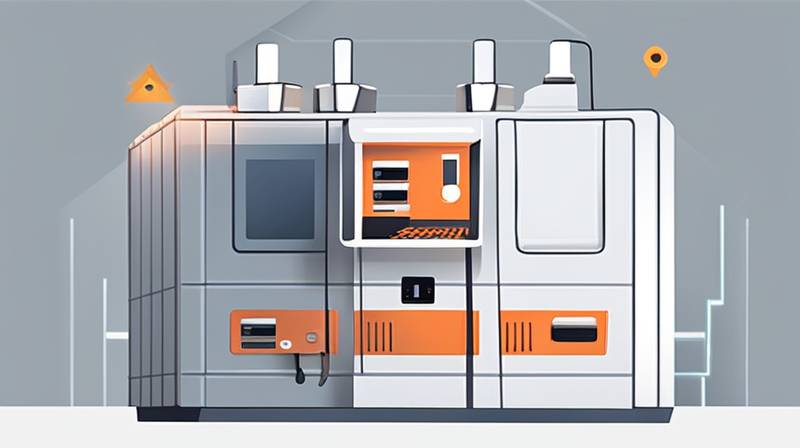
What are the energy storage point welding machines in Anhui
Energy storage point welding machines represent a pivotal advancement in the welding industry, most notably in Anhui, China. 1. These machines utilize an energy storage system to improve efficiency, precision, and quality during welding operations. 2. Their application ranges across various sectors such as automotive, aerospace, and construction. 3. The machines are characterized by their ability to minimize heat distortion and maximize weld strength. 4. Furthermore, they contribute to energy conservation by reducing power consumption, aligning with global sustainability goals.
One significant aspect to consider is the design and technology behind these machines. Energy storage point welding machines leverage capacitors to store electrical energy, allowing for rapid discharge during the welding process. Unlike traditional welding methods that rely on continuous power supply, these machines draw energy intermittently, which significantly enhances operational efficiency. The rapid discharge provides a concentrated energy burst, resulting in improved thermal management. This feature is crucial in applications where maintaining material integrity is vital, especially in the production of components that require strict tolerance levels.
Moreover, these advanced machines are equipped with modern control systems, often integrating automation for enhanced precision. This automation enables operators to monitor and adjust parameters in real-time, guaranteeing consistent weld quality. Such technological advancements not only streamline production but also reduce the likelihood of human error, making the welding process more reliable. The energy storage point welding machine is particularly beneficial in high-volume production settings, where speed and quality converge for optimal performance.
APPLICATIONS IN VARIOUS INDUSTRIES
- AUTOMOTIVE SECTOR,
Energy storage point welding machines have significantly transformed the automotive industry within Anhui. The need for efficient and durable welding solutions correlates directly with the stringent quality standards prevalent in vehicle manufacturing. Today’s vehicles consist of numerous components made from advanced materials, requiring precision and innovation in assembly techniques. The implementation of energy storage systems allows manufacturers to achieve tighter welds with minimal thermal distortion, ensuring that structural integrity remains uncompromised.
In automotive assembly lines, the rapid cycle times afforded by these machines enable car manufacturers to enhance productivity significantly. By reducing the time taken for each welding operation, manufacturers can boost output without sacrificing quality. Furthermore, the consistent quality provided by these machines results in fewer defects during inspections, ultimately leading to reduced rework costs. The capability to adapt to various materials, including advanced high-strength steels (AHSS) and aluminum alloys, positions energy storage point welding machines as indispensable tools in modern automotive manufacturing workflows.
- AEROSPACE APPLICATIONS,
In the aerospace domain, the significance of structural integrity and lightweight components cannot be overstated. Energy storage point welding machines are particularly advantageous in this field due to their ability to execute precision welds without compromising the physical properties of the materials used. The aerospace industry requires welding techniques that minimize heat input to prevent adverse effects such as warping or metallurgical changes. The energy conservation aspect of these machines helps align manufacturing processes with the demanding specifications of aerospace components.
Additionally, energy storage point welding facilitates the assembly of complex structures that require multi-material welding. This capability directly contributes to the development of innovative designs that enhance fuel efficiency and performance. For instance, as aerospace manufacturers incorporate composite materials and hybrids, the ability to weld diverse material types becomes essential. With the advent of advanced control technologies, operators can customize welding parameters to suit specific project requirements, illustrating the adaptability of these machines to the evolving needs of the aerospace sector.
- CONSTRUCTION INDUSTRY,
The construction industry also stands to benefit greatly from the efficiencies introduced by energy storage point welding technology. Structures require not just strength, but also resistance to various environmental conditions, influencing the choice of materials and welding techniques employed. The robustness of welds achieved through energy storage systems offers enhanced reliability in load-bearing applications such as beams, columns, and frameworks.
Modern construction projects increasingly incorporate prefabricated elements, where precision in welding substantially influences overall construction timelines and costs. The rapid welding capabilities of energy storage machines align well with the dynamic requirements of construction schedules, allowing for expedited assembly processes. Moreover, the energy efficiency of these machines contributes to sustainable construction practices; minimizing energy waste aligns with a growing global emphasis on eco-friendly building methods.
COST-EFFECTIVENESS AND ENVIRONMENTAL IMPACT
- COST-EFFICIENCY,
One of the most enticing aspects of energy storage point welding machines is their cost-effectiveness. While the initial investment may be higher than traditional welding methods, the long-term operational savings can be substantial. Reduced power consumption directly lowers electricity bills. Furthermore, higher productivity through faster weld cycles translates into less labor cost per unit produced, enhancing profitability.
Moreover, the reduction in material waste during the welding process cannot be overlooked. Enhanced weld quality minimizes the need for rework or scrap materials, allowing companies to allocate resources more efficiently. Companies can redirect savings obtained from energy conservation and waste reduction into other crucial areas, such as research and development, which is fundamental for maintaining competitiveness.
- ENVIRONMENTAL SUSTAINABILITY,
The imperative for sustainable manufacturing processes is becoming increasingly critical in the current market landscape. Energy storage point welding machines contribute to this trend by significantly reducing energy consumption. With heightened governmental and societal focus on environmental issues, industries are being urged to adopt technologies that support eco-friendly practices. The reduced carbon footprint associated with less energy consumption plays a crucial role in aligning with both local regulations and global climate initiatives.
Additionally, the increased efficiency of welding processes results in less material waste and lower emissions during manufacturing. The cumulative effect contributes to a more sustainable operational paradigm that not only meets regulatory requirements but also appeals to an environmentally conscious consumer base. As industries face growing pressure to demonstrate corporate social responsibility, adopting energy-efficient welding technologies is a pragmatic choice for ensuring long-term sustainability.
ADVANCEMENTS IN TECHNOLOGY
- INTEGRATION WITH SMART TECHNOLOGIES,
As Industry 4.0 continues to shape manufacturing processes, energy storage point welding machines are increasingly equipped with smart technologies for improved efficiency and monitoring. The use of sensors and IoT connectivity fosters data integration across manufacturing ecosystems. This technology enables real-time analysis of welding parameters, allowing operators to make immediate adjustments based on performance metrics.
Moreover, data analytics plays a significant role in predictive maintenance, minimizing downtime and extending machine longevity. By assessing wear and tear, manufacturers can schedule maintenance proactively rather than reactively, ultimately optimizing machine uptime. The integration of smart technologies not only enhances operational efficiency but also supports ongoing quality improvement initiatives.
- FUTURE TRENDS,
Anticipating future developments in energy storage point welding, research and development are concentrating on enhancing both the functionality and accessibility of these machines. The shift toward automation and robotics in manufacturing processes presents lucrative opportunities for integrating energy storage welding with robotic systems. The potential for increased automation can lead to greater precision and consistency in welding operations, particularly in high-volume scenarios.
Moreover, advancements in capacitor technology may further enhance the capabilities of these machines, including faster charging times and increased energy storage. As materials science progresses, opportunities for welding increasingly complex and innovative materials will arise, encouraging continuous adaptation and advancement in energy storage welding technology. This forward-thinking approach presents an exciting horizon for these essential manufacturing tools.
FREQUENTLY ASKED QUESTIONS
WHAT EXACTLY ARE ENERGY STORAGE POINT WELDING MACHINES?
Energy storage point welding machines are specialized equipment used for joining materials, primarily metals, by applying significant heat and pressure. Unlike traditional welders that rely on a continuous power supply, energy storage point welding machines utilize capacitors to store energy and release it rapidly during the welding process. This design allows for quicker, more efficient weld cycles while maintaining heat control, leading to stronger and more consistent welds. Their application spans various industries, enabling manufacturers to create high-quality products with improved efficiency and less energy consumption. With adaptive control systems, these machines can fine-tune welding parameters, facilitating precision in various applications—especially in sectors like automotive and aerospace.
ARE ENERGY STORAGE POINT WELDING MACHINES ENERGY-EFFICIENT?
Yes, energy storage point welding machines are recognized for their superior energy efficiency. By leveraging capacitors to store and discharge energy, these machines minimize power consumption, as they only draw high power levels intermittently when welding occurs. This characteristic drastically reduces electricity costs compared to traditional welding methods that require a continuous flow of power. Moreover, the reduction in heat-related defects enhances overall material utilization. As a result, fewer materials are wasted during production, contributing to lower operational costs. The energy savings, combined with increased productivity and reduced waste, emphasizes the cost-effectiveness and environmental advantages of adopting energy storage welding technology.
HOW DO ENERGY STORAGE WELDING MACHINES BENEFIT THE WELDING PROCESS?
Energy storage welding machines provide numerous advantages in the welding process, enhancing speed, precision, and quality. These machines reduce heat input, which minimizes the risk of warping and strengthens the properties of the materials being joined. This application is particularly significant in industries like aerospace, where structural integrity is paramount. The rapid discharge of stored energy allows for faster weld cycles, enabling manufacturers to increase productivity without compromising quality. Furthermore, the integration of smart technologies into these machines enhances monitoring and control, ensuring consistency in production. Overall, their capabilities enable manufacturers to meet stringent quality standards while reducing costs and improving operational efficiency.
In summary, energy storage point welding machines mark a substantial shift in welding technology, particularly in the industrial landscape of Anhui. With their ability to optimize efficiency and maintain the quality of welds, these machines are revolutionizing practices across sectors such as automotive, aerospace, and construction. Their cost-effectiveness and environmental benefits underscore their importance in modern manufacturing, aligning with the global trend towards sustainable operations. Their sophisticated integration with smart technologies is setting the stage for even greater advancements, driving innovations that cater to increasingly demanding industry standards. As manufacturers embrace this sophisticated technology, the potential for enhanced productivity, reduced costs, and improved operational processes creates a compelling case for the widespread adoption of energy storage point welding machines in Anhui and beyond.
Original article by NenPower, If reposted, please credit the source: https://nenpower.com/blog/what-are-the-energy-storage-point-welding-machines-in-anhui/

