

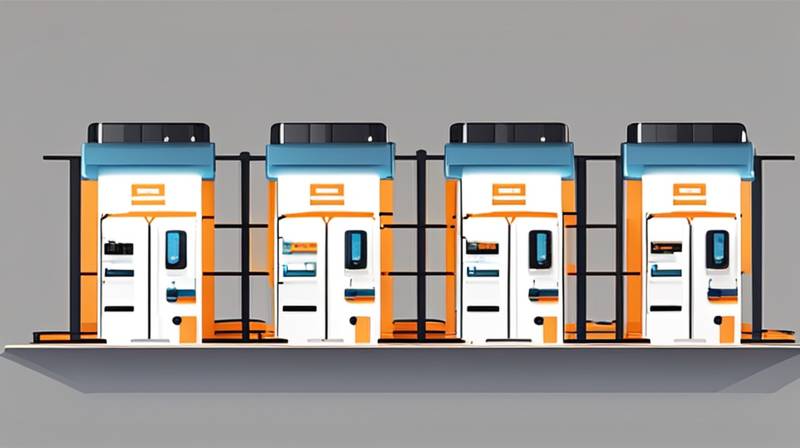
What are the energy storage cabins in Shanghai?
Energy storage cabins in Shanghai serve as critical infrastructures designed to enhance urban energy management, 1. enabling renewable energy integration, 2. providing backup power during outages, 3. contributing to grid stability, and 4. promoting sustainable development initiatives. Energy storage cabins primarily utilize advanced battery technologies to store excess energy generated from renewable sources such as solar and wind. These installations support the city’s ambitious climate goals by facilitating a shift towards cleaner energy consumption.
1. UNDERSTANDING ENERGY STORAGE CABINS
Energy storage cabins represent cutting-edge technology designed to store energy for later use, especially in urban areas like Shanghai. These structures are equipped with various battery systems, including lithium-ion and beyond, to efficiently store electricity generated from renewable sources. By storing energy during peak production measures, these innovative cabins can mitigate the fluctuations typical in renewable energy production. This capability is vital, given Shanghai’s heavy reliance on renewable energy sources to meet its energy demands.
Beyond their primary function of energy storage, these cabins support the development of decentralized energy systems. In scenarios where larger grid systems might face strain, energy storage cabins provide localized solutions, ensuring users have access to power regardless of broader grid conditions. This decentralized approach is fundamental to improving the resilience of urban energy infrastructure, allowing the city to adapt swiftly to changing energy needs and supply scenarios.
2. THE ROLE OF TECHNOLOGY IN ENERGY STORAGE CABINS
The technology underlying energy storage cabins is at the forefront of energy management systems. Battery management systems (BMS) play an essential role in ensuring the safe and efficient operation of stored energy. These systems monitor the health of individual cells, regulate charging and discharging processes, and optimize the overall performance of the energy storage solution. The integration of artificial intelligence and machine learning algorithms further enhances these capabilities by predicting demands based on past usage patterns, thereby allowing for optimized energy distribution.
In addition to BMS, energy storage cabins benefit significantly from modular designs. Modular configurations provide flexibility in expanding storage capacity based on evolving energy needs. This adaptability allows the integration of emerging technologies and storage methods while also serving diverse applications from commercial to residential energy solutions. As innovations continue to develop, these cabins can adapt and incorporate various battery chemistries and capacities, ensuring longevity and sustainability.
3. ECONOMIC IMPACT OF ENERGY STORAGE CABINS
The deployment of energy storage cabins has substantial economic implications for Shanghai. These installations contribute to reduced energy costs by enabling consumers to store energy during low-cost periods for use during peak demand times. This time-shifting capability effectively lowers household and business expenses while promoting further integration of renewable energy sources, which are often less expensive than traditional fossil fuels.
Moreover, energy storage cabins enhance the reliability of energy supply, which can attract investments and stimulate local economies. Reliable energy infrastructure is crucial for businesses, as it directly affects operational efficiency. By mitigating power interruptions and stabilizing energy prices, these cabins create an attractive environment for both existing enterprises and potential new investments in various sectors, resulting in long-term economic growth for Shanghai.
4. ENVIRONMENTAL AND SOCIAL BENEFITS
The advantages of energy storage cabins extend beyond economic metrics, significantly impacting environmental and social factors. By enabling greater reliance on renewable energy sources, these cabins reduce greenhouse gas emissions linked to traditional energy generation. This alignment with global sustainability initiatives not only contributes positively to environmental outcomes but also enhances public health by minimizing pollutants typically associated with fossil fuels.
Socially, energy storage cabins can empower communities. By providing backup power during outages, they can ensure essential services maintain continuity, improving the resilience of urban living conditions. Implementing community energy storage projects can foster a sense of collaboration, encouraging locals to participate in energy management initiatives, thus bolstering community engagement and awareness around sustainable energy practices.
5. CHALLENGES AND CONCERNS SURROUNDING ENERGY STORAGE CABINS
Despite their numerous benefits, the implementation and operation of energy storage cabins in Shanghai do face challenges. Cost is a significant factor, as the initial investment in advanced storage technologies can be high, posing a barrier for broader adoption. Continuous research and development into more cost-effective solutions and potential subsidies may alleviate some financial limitations while encouraging investment from both public and private sectors.
Furthermore, concerns regarding the environmental impact of battery production and disposal must be addressed. While energy storage cabins promote cleaner energy usage, the environmental footprint of battery manufacturing and end-of-life management remains problematic. Developing recycling methods and promoting circular economies around battery technologies will be essential in minimizing these impacts over time.
Frequently Asked Questions
WHAT TYPES OF TECHNOLOGIES ARE USED IN ENERGY STORAGE CABINS?
Energy storage cabins employ a range of battery technologies primarily focused on energy storage capabilities. The most common are lithium-ion batteries, renowned for their high energy density and efficiency. However, other technologies such as flow batteries and solid-state batteries are gaining attention due to their unique characteristics. For instance, flow batteries are advantageous because they allow for continuous energy release and can be scaled based on requirements. Conversely, solid-state batteries are considered a future possibility in energy storage due to their increased safety and longer life cycles.
Battery management systems (BMS) are integral to optimizing these technologies. BMS ensures that the batteries remain within safe operating parameters and maximizes their life spans by balancing charging cycles and managing temperature. The integration and advancement of various battery technologies are pivotal in enhancing the versatility and effectiveness of energy storage cabins, ensuring they can meet the diverse energy demands of urban environments over time.
HOW DO ENERGY STORAGE CABINS CONTRIBUTE TO ENERGY RESILIENCE IN URBAN AREAS?
Energy resilience refers to the ability of an electric grid to withstand and recover from disruptions. Energy storage cabins are critical in fortifying this resilience, especially in rapidly urbanizing areas like Shanghai, where energy demand often exceeds supply due to population density. By acting as supplemental power sources, these cabins can provide immediate backup energy during outages, ensuring that critical services remain operational.
Moreover, by storing renewable energy during periods of surplus, energy storage cabins can mitigate spikes in energy demand. This stored energy can be redistributed during peak usage times, stabilizing the overall energy grid. Such functionalities are crucial in diminishing reliance on fossil fuels and lowering greenhouse gas emissions, thus aligning urban energy consumption with climate action goals.
WHAT IS THE FUTURE OF ENERGY STORAGE CABINS IN SHANGHAI?
The prospective landscape for energy storage cabins in Shanghai appears fundamentally promising, driven by significant technological advancements and increasing policy support for sustainable initiatives. As battery technologies improve and become more cost-effective, it is expected that the deployment of energy storage systems will expand rapidly. Projections indicate that cities will transition towards smarter energy management systems that integrate these cabins more thoroughly into existing infrastructures.
Furthermore, as awareness grows regarding the importance of carbon neutrality, more businesses and consumers are likely to invest in energy storage solutions. Legislative backing that encourages investment in renewable energy technologies will foster an environment where energy storage cabins become standard components of urban energy systems, ultimately contributing to Shanghai’s ambitious sustainability goals and its vision to become a model for future cities globally.
Boldly emphasizing the significance of energy storage cabins in urban settings unveils not only their practical applications but also their wider implications for fostering a cleaner, more reliable energy future. These structures stand as beacons of innovation and sustainability, aligning energy consumption with the principles of environmental stewardship. Through sophisticated technology, economic benefits, and an unwavering commitment to resilience, energy storage cabins encapsulate a forward-looking approach to energy management. As demonstrated through various analyses, the integration of these facilities will likely grow, paving the way for efficient and sustainable urban energy solutions capable of enduring the challenges posed by modern demands. Adapting and enhancing these systems will be crucial in shaping not only the future of Shanghai but also providing a blueprint for cities worldwide striving to balance development with environmental responsibility.
Original article by NenPower, If reposted, please credit the source: https://nenpower.com/blog/what-are-the-energy-storage-cabins-in-shanghai/

