

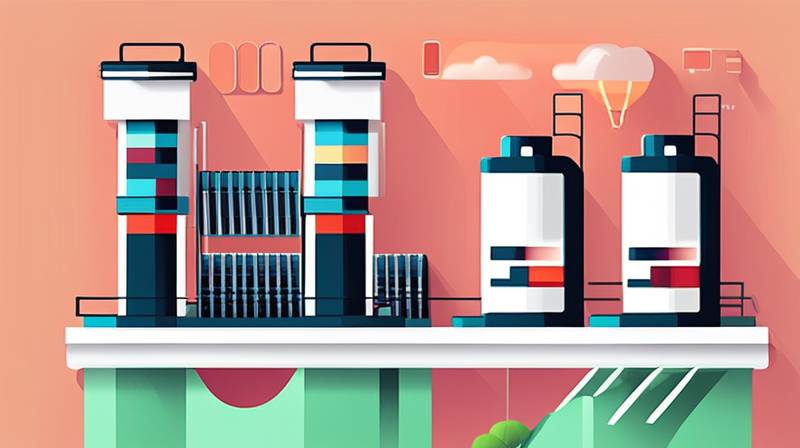
Energy storage battery factories are establishments that manufacture batteries specifically designed for storing energy. 1. These facilities produce various types of batteries, including lithium-ion, lead-acid, and newer technologies like solid-state batteries, which are crucial for renewable energy systems and electric vehicles. 2. The energy storage batteries play a pivotal role in balancing supply and demand in the energy grid, thereby enhancing efficiency and stability. 3. With the growing emphasis on sustainable energy solutions, the demand for these factories is increasingly vital to meet global energy consumption needs. 4. These manufacturing sites not only contribute to the economy by creating jobs but also drive technological advancements in renewable energy storage. This industry faces challenges like raw material sourcing and environmental regulations, yet it presents vast opportunities for innovation.
1. UNDERSTANDING ENERGY STORAGE BATTERIES
Energy storage batteries have become a fundamental component in the transition toward renewable energy systems. These batteries store electrical energy for later use, enabling more efficient utilization of generated power. In recent years, the growing dependency on intermittent energy sources, such as solar and wind, has necessitated sophisticated energy storage solutions. Energy storage technologies prioritize the effective capture and release of energy, creating mechanisms to manage fluctuations in demand and supply.
The evolution of energy storage systems has led to significant advancements in battery chemistry and design. Lithium-ion batteries are particularly notable for their high energy density, long cycle life, and decreasing costs, making them popular for both residential and commercial applications. These advancements enable energy storage systems to not only support traditional power grids but also facilitate the integration of renewable energy inputs, enhancing grid resilience.
Moreover, the transition towards electric vehicles (EVs) has increased the urgency for effective battery storage solutions. EV batteries are a vital part of the automotive industry’s move toward more sustainable practices. They not only reduce emissions but also contribute to the profitability of manufacturers willing to invest in advanced battery technologies. Consequently, energy storage battery factories emerge as a crucial element in both energy systems and transportation.
2. TYPES OF ENERGY STORAGE BATTERIES
Distinct types of energy storage batteries cater to various applications and requirements. Lithium-ion batteries dominate the market due to their unique benefits, including lightweight construction and high energy density. They are essential for electric vehicles, portable electronics, and grid storage applications. As manufacturers refine their production processes, the economics of these batteries improve significantly, paving the way for broader adoption.
Another prominent category includes lead-acid batteries, which possess a long-standing history in energy storage. Despite being heavier and less energy-dense than lithium-ion counterparts, they hold substantial advantages in cost, recycling, and reliability. These batteries serve well in applications that require high surge currents, such as in uninterruptible power supplies and backup generators.
Emerging technologies like solid-state batteries represent the next frontier in energy storage solutions. These batteries have the potential to outperform both lithium-ion and lead-acid batteries in terms of safety and energy density. They eliminate the use of flammable liquid electrolytes found in conventional lithium-ion batteries, thereby minimizing safety hazards. As research progresses, the commercial viability of solid-state batteries is expected to rise significantly.
3. FACTORS INFLUENCING THE GROWTH OF ENERGY STORAGE BATTERY FACTORIES
Several elements influence the expansion of energy storage battery factories around the globe. Regulatory policies and incentives designed to promote renewable energy have a profound impact on the proliferation of these manufacturing facilities. Major governments worldwide recognize the need for sustainable energy solutions and have implemented supportive measures that encourage growth, research, and innovation in energy storage technologies.
Supply chain stability also plays a critical role in this sector’s expansion. Access to raw materials like lithium, cobalt, and nickel is essential for battery manufacturing. Despite facing mining challenges due to geopolitical tensions and environmental concerns, securing a stable supply of these materials remains a priority for energy storage industry stakeholders. Companies are exploring sustainable sourcing methods, including recycling initiatives and partnerships with miners, to ensure a steady flow of essential materials.
Technological advancements serve as a further catalyst for industry growth. Breakthroughs in battery chemistry, manufacturing processes, and automation continue to enhance efficiency, performance, and scalability. Battery factories increasingly leverage artificial intelligence and machine learning to streamline operations and improve production outcomes. Consequently, these improvements support the generation of cost-effective and high-quality energy storage batteries.
4. ENVIRONMENTAL CONSIDERATIONS IN ENERGY STORAGE MANUFACTURING
The environmental implications of energy storage battery factories warrant significant attention. Battery manufacturing incurs a considerable carbon footprint, primarily associated with raw material extraction, processing, and energy consumption during production. However, the goal of transitioning to cleaner energy systems highlights the importance of addressing these concerns through industry practices and innovations.
Recycling plays a pivotal role in mitigating the environmental impact of battery production. Closed-loop recycling systems enable manufacturers to reclaim valuable materials from used batteries, reducing the demand for newly mined resources. Implementing efficient recycling facilities can significantly reduce the waste generated and ensure compliance with stringent environmental regulations.
Efforts to develop environmentally friendly production processes also contribute to sustainability. Many manufacturers are conducting research focused on greener production methods that minimize harmful emissions and waste products. By integrating renewable energy into their operations, battery factories can further reduce their overall environmental impact while supporting the renewable energy landscape.
5. ECONOMIC IMPACT OF ENERGY STORAGE BATTERY FACTORIES
The economic ramifications of manufacturing energy storage batteries extend beyond direct job creation. As these factories emerge worldwide, they stimulate local economies through increased demand for supporting industries, including mining, logistics, and technology services. These interconnected sectors foster a comprehensive ecosystem enabling innovation, job training, and economic growth.
The shift towards renewable energy solutions creates new career opportunities, not only in battery manufacturing but also in research and development sectors. Educational institutions partner with the industry to develop specialized programs that equip their graduates with the necessary skills for careers in energy storage technology. Upgrading workforce capabilities is essential to meet the increasing demands placed on energy storage solutions while ensuring a qualified labor pool is available for future innovations.
The proliferation of energy storage battery factories also reduces reliance on traditional fossil fuel power generation. Consequently, enhanced energy independence contributes to greater economic stability, as nations work to mitigate risks tied to fluctuating oil prices and geopolitical issues. By investing in domestic battery production, countries can bolster their energy security and create a resilient economy.
6. GLOBAL TRENDS IN ENERGY STORAGE BATTERY FACTORY DEVELOPMENT
Recent trends indicate a prominent shift toward the establishment of energy storage battery factories in various regions. Asia, particularly China, has witnessed explosive growth in battery production facilities, leading the world in lithium-ion battery manufacturing. The region’s dominance is fueled by significant investments and a robust supply chain network that provides easy access to raw materials.
In contrast, Western nations are intensifying efforts to localize battery production. The United States and European Union have acknowledged the need for regional battery manufacturing to foster energy security and bolster their respective economies. Investments in this sector are supported by government policies aiming to create a competitive landscape for battery manufacturers and promote innovation.
Moreover, satellite innovations like battery-as-a-service models are beginning to change the dynamics of energy storage. Existing energy storage battery factories have an opportunity to adopt this model, allowing consumers to access battery solutions without heavy upfront investment, which can democratize energy storage access.
FREQUENTLY ASKED QUESTIONS
WHAT TYPES OF ENERGY STORAGE BATTERIES EXIST?
Energy storage systems comprise various battery technologies including lithium-ion, lead-acid, nickel-metal hydride, and upcoming solutions like solid-state batteries. Each type has its unique attributes tailored to different applications. Lithium-ion batteries stand out for their effectiveness in portable electronics and electric vehicles, while lead-acid batteries are often utilized in backup power systems due to their robustness. Nickel-metal hydride batteries, although less common now, were historically significant, particularly in hybrid vehicles. The exploration of solid-state batteries represents an exciting future, as they promise greater safety and higher energy densities than traditional lithium-ion counterparts.
HOW DO ENERGY STORAGE BATTERIES IMPACT RENEWABLE ENERGY?
Energy storage batteries analyze and store surplus energy generated from renewable sources, such as wind and solar. This stored energy can later be released during periods of high demand or low generation, thereby balancing the energy grid. By facilitating a constant energy supply, these batteries alleviate the intermittency challenges associated with renewables, making them more reliable. In doing so, they not only enhance grid reliability but also enable broader integration of renewable energy sources into the mainstream energy market.
WHAT CHALLENGES DO ENERGY STORAGE BATTERY FACTORIES FACE?
Energy storage battery manufacturers confront several challenges, including raw material sourcing, environmental concerns, and technological limitations. The growing demand for batteries has resulted in increased scrutiny regarding the mining practices associated with acquiring essential materials like lithium and cobalt. Furthermore, regulatory compliance concerning environmental standards is becoming more stringent, compelling manufacturers to develop sustainable practices. On the technological front, continual innovations are required to enhance energy density, lifespan, and safety. Staying competitive in an increasingly crowded market necessitates ongoing research and investment to address such challenges effectively.
Energy storage battery factories represent a critical intersection of technological advancement, economic vitality, and environmental responsibility. Their role in facilitating the transition from fossil fuels to renewable energy sources cannot be overstated, as they contribute to energy security, job creation, and the advancement of modern society. Acknowledging the intricate dynamics at play within this sector is fundamental to understanding its transformative potential, even as challenges arise. Firms operating within this industry must adapt, innovate, and persevere to meet growing demands while advancing sustainable practices. The future of energy storage battery manufacturing appears promising, fueled by emerging technologies, supportive government policies, and a collective commitment to sustainable energy solutions. As societies advance towards renewable energy horizons, the significance of energy storage battery factories will continue to escalate, shaping a more sustainable and resilient energy landscape.
Original article by NenPower, If reposted, please credit the source: https://nenpower.com/blog/what-are-the-energy-storage-battery-factories/

