

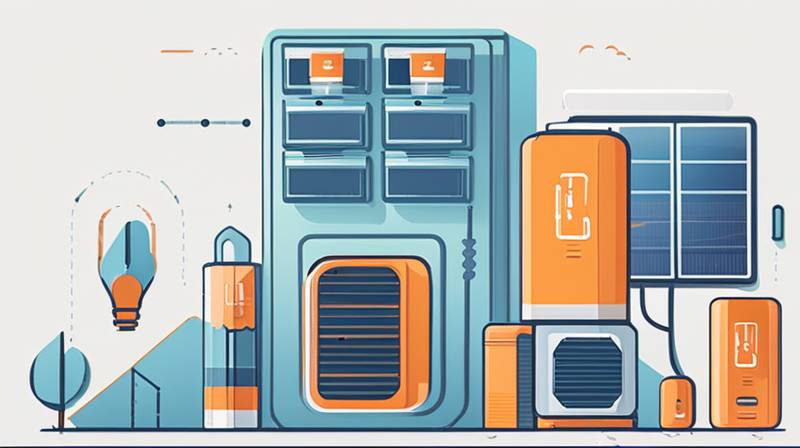
1. INNOVATIONS IN ENERGY STORAGE
Energy-saving energy storage solutions have gained significant traction in modern society. These advanced systems enable the efficient storing and utilizing of energy while minimizing waste, thus enhancing overall sustainability. Key features of energy-saving storage solutions include innovative technologies, scalability, and integration with renewable energy sources. Furthermore, these systems cater to a variety of applications ranging from residential to industrial scale, allowing for flexible implementation across different sectors.
One notable aspect of energy storage technologies is their ability to support intermittent energy sources, such as wind and solar. As these renewable sources experience fluctuations in output, energy storage solutions can capture excess energy during peak production and release it when demand is high, thereby stabilizing the energy grid. Consequently, this optimization is crucial for achieving energy independence and reducing overall carbon emissions through improved efficiency and renewable integration.
2. TYPES OF ENERGY STORAGE SOLUTIONS
2.1. MECHANICAL ENERGY STORAGE
Mechanical energy storage primarily utilizes physical systems to store energy. The most common forms include pumped hydroelectric storage and flywheel systems. Pumps store energy by moving water into an elevated reservoir during low demand periods. When energy is required, the water is released to turn turbines, generating electricity.
Flywheel systems harness rotating masses that store kinetic energy. Energy is injected into the flywheel when surplus electricity is available. Consequently, during periods of high demand, this kinetic energy can be converted back into electricity. Both systems showcase high efficiency and longevity, making them viable options for large-scale energy storage solutions.
2.2. ELECTROCHEMICAL STORAGE
Electrochemical storage encompasses technologies such as batteries and fuel cells, which are integral to capturing and utilizing electrical energy. Numerous types of batteries exist, including lithium-ion, lead-acid, and flow batteries. Lithium-ion batteries are especially favored for their high energy density, efficiency, and decreasing costs.
Fuel cells operate through electrochemical reactions that convert chemical energy from fuels like hydrogen into electricity. This differs from traditional batteries as fuel cells can provide continuous energy output as long as fuel is supplied. The growing utilization of batteries and fuel cells is indicative of advancements in energy efficiency, emphasizing their significance in both portable and stationary applications.
2.3. THERMAL ENERGY STORAGE
Thermal energy storage systems capitalize on the principles of heat retention. These systems, such as molten salt storage, allow excess heat from renewable sources to be stored and used later, usually for electricity generation or direct heating applications.
Such systems can operate in conjunction with solar thermal facilities, where excess thermal energy is accumulated during peak sunlight hours and utilized at night or during cloudy days. This method provides a practical solution to the intermittent nature of solar energy. Thermal energy storage is regarded as a cost-effective means to enhance renewable energy deployment and facilitate grid resilience.
2.4. GRAVITATIONAL ENERGY STORAGE
Gravitational energy storage relies on the principles of physics to store excess energy. One innovative approach is using elevated masses that can be raised and lowered to store kinetic energy. When excess energy is available, heavy objects are lifted to a certain height. When energy is needed, these masses are lowered, allowing gravitational potential energy to be converted back to electric energy through generators.
This form of energy storage not only promises efficiency but also offers an environmentally friendly alternative to traditional methods. By employing gravitational energy systems, energy harvesting can be more sustainable, as it minimizes reliance on rare materials often found in conventional energy storage technologies.
3. APPLICATIONS OF ENERGY STORAGE SOLUTIONS
3.1. RENEWABLE ENERGY INTEGRATION
One paramount application of energy storage solutions is their foundational role in renewable energy integration. As we increasingly transition towards a low-carbon energy economy, energy storage technologies enable effective deployment of solar, wind, and other renewable resources. By addressing the inherent variability of these energy sources, storage solutions provide a reliable and stable energy supply.
Energy storage systems facilitate the smooth integration of renewable resources by allowing excess generated power to be stored and dispatched as required. For instance, solar power generation may peak during the daytime when demand is low. Through energy storage, it can be conserved for later use, aligning production directly with real-time consumer needs.
3.2. PEAK SHAVING AND LOAD MANAGEMENT
Energy storage technologies are increasingly utilized for peak shaving and load management, whereby energy consumption is balanced to smooth out spikes in demand. By utilizing stored energy during peak load times, consumers can benefit from reduced energy costs, as demand charges typically increase during periods of high usage.
With the implementation of energy storage solutions, commercial and industrial consumers can strategically deploy this stored energy, reducing the need for peaking power plants that often run on fossil fuels and are less efficient. Ultimately, using energy storage in this context not only benefits consumers economically but also contributes positively to grid stability and sustainability.
4. BENEFITS OF ENERGY STORAGE SOLUTIONS
4.1. ENHANCED GRID RELIABILITY
The implementation of energy storage solutions bolsters grid reliability significantly. By providing extra support during unforeseen outages or load fluctuations, storage technologies ensure minimal disruption to energy services. Energy storage can act as a buffer against instantaneous spikes in demand, reducing the risk of blackouts and ensuring that the supply always meets demand effectively.
Moreover, during extensive outages, stored energy can provide backup power for critical infrastructures like hospitals, emergency services, and data centers. Overall, increased reliance on energy storage contributes to a more resilient energy system, effectively enhancing reliability for consumers and businesses.
4.2. REDUCED CARBON FOOTPRINT
The environmental advantages of transitioning to energy-saving storage solutions are profound. By facilitating the integration of renewable energy sources and providing reliable energy when needed, energy storage systems can significantly reduce greenhouse gas emissions.
Traditional fossil fuel power plants often emit CO2 and other pollutants, especially during peak periods. By offsetting the need for these plants through effective storage solutions, one can lower the carbon footprint of energy consumption. Consequently, enhancing the attractiveness of renewable energy sources helps a society transition towards a sustainable and green energy future.
5. FUTURE OF ENERGY-SAVING STORAGE SOLUTIONS
5.1. ADVANCEMENTS IN TECHNOLOGY
The future landscape of energy-saving storage solutions is shaped by rapid technological advancements. Continuous research and development efforts are yielding innovative materials and designs aimed at increasing the efficiency and affordability of storage technologies. For instance, ongoing efforts in battery chemistry may lead to breakthroughs with improved energy capacity, longer lifespans, and greater safety.
Furthermore, novel concepts such as solid-state batteries are promising substantial improvements over conventional lithium-ion variants. These developments are poised to enhance the performance of energy storage systems across various applications, leading to broader acceptance and integration throughout the energy ecosystem.
5.2. REGULATORY AND POLICY SUPPORT
Supportive policies and regulations are crucial for promoting the growth and adoption of energy storage technologies. Governments worldwide are recognizing the intrinsic value of energy storage in achieving climate goals and facilitating renewable energy investments. Initiatives such as subsidies, tax incentives, and research grants can accelerate deployment and stimulate innovation in the energy storage sector.
Moreover, the establishment of energy standards and guidelines ensures that these technologies are implemented efficiently and reliably, further boosting consumer confidence. As awareness grows regarding the benefits of energy storage, transformative regulatory measures will play an instrumental role in shaping its future.
6. ENHANCING ENERGY EFFICIENCY THROUGH STORAGE SOLUTIONS
Energy storage solutions offer a path towards enhanced energy efficiency through strategic applications and technological innovations. By expertly harnessing various methods to capture and utilize energy, these systems pave the way for a more sustainable energy landscape. The transition relies heavily on integrating renewable sources while effectively managing demand and supply across the grid. The technologies discussed above, including mechanical, electrochemical, thermal, and gravitational storage, each play pivotal roles in this vision.
As the deployment of these solutions proliferates, so too will the potential for improving energy efficiency at local, national, and global scales. Public and private sector collaboration will be key in driving these developments forward, emphasizing the importance of investment, research, and consumer education to foster a deepened understanding of energy storage capabilities.
7. FAQs
WHAT ARE THE ADVANTAGES OF IMPLEMENTING ENERGY STORAGE SOLUTIONS?
Implementing energy storage solutions brings numerous advantages, significantly enhancing energy efficiency and reliability. Primarily, energy storage allows for better integration of renewable energy sources, such as solar and wind, which often experience variable output. By storing excess energy during peak generation periods, users can utilize this stored energy when demand spikes, ultimately reducing reliance on fossil fuel-powered plants.
Moreover, energy storage systems enable peak shaving, which refers to minimizing the need for additional energy during peak demand hours. This approach helps to lower costs and can also lead to reduced wear and tear on the grid, resulting in improved reliability. Furthermore, the environmental benefits of using energy storage solutions, such as decreasing carbon emissions from conventional power plants, align with sustainable energy goals, contributing to a greener planet.
HOW DOES ENERGY STORAGE IMPACT THE ENERGY GRIDS?
Energy storage significantly impacts energy grids by enhancing overall resilience and stability. Energy storage systems provide a way to store excess power produced during low demand periods and release it during high demand times. This flexibility enables energy providers to balance load effectively, reducing the need for peaking power plants that are typically less efficient and more polluting.
Additionally, energy storage provides ancillary services essential for maintaining grid reliability, such as frequency regulation, voltage support, and spinning reserves. By incorporating energy storage into the grid, operators can better respond to fluctuations in supply and demand, ultimately leading to a more stable and reliable energy infrastructure. As more renewable energy sources are integrated into the grid, energy storage solutions become increasingly crucial for ensuring that energy is available when and where it is needed.
WHAT FUTURE TRENDS ARE EXPECTED IN ENERGY STORAGE TECHNOLOGY?
The future of energy storage technology is characterized by several emerging trends that promise to enhance its efficiency and effectiveness. Notably, ongoing research aims to improve existing battery technologies, focusing on advancements in energy capacity, charging times, and lifespan. Solid-state batteries and new materials, such as lithium-sulfur and sodium-ion technologies, offer significant potential to outperform traditional lithium-ion batteries while being more environmentally friendly.
Additionally, as the demand for electric vehicles and decentralized energy systems rises, energy storage solutions will increasingly be incorporated into residential and commercial applications. Trends also indicate a move toward integrating artificial intelligence with energy management systems, allowing for automated optimization of energy storage and consumption patterns. This integration will provide users with more control over their energy usage, leading to greater reliability and overall efficiency.
8. SYNTHESIS OF ENERGY STORAGE BENEFITS AND FUTURE OPPORTUNITIES
The landscape of energy storage solutions is evolving, drawing tremendous interest due to the multiplicity of benefits it brings about. Not only does it demonstrate efficacy in enhancing grid reliability, but its environmental advantages are likewise notable. The successful implementation of energy storage systems will play a pivotal role in the transition to renewable energy sources and achieving climate goals.
The growing demand for sustainable energy solutions positions energy storage technologies as a cornerstone for economic growth and environmental resilience. As research and development continue to drive innovation, numerous opportunities will emerge. Increased collaboration between stakeholders in government and industry will facilitate informed decisions shaping future energy infrastructure. Consequently, these interconnected systems of energy storage will serve as a vital element in attaining a sustainable energy future, ensuring reliability, affordability, and minimal environmental impact for generations to come.
Original article by NenPower, If reposted, please credit the source: https://nenpower.com/blog/what-are-the-energy-saving-energy-storage-solutions/

