

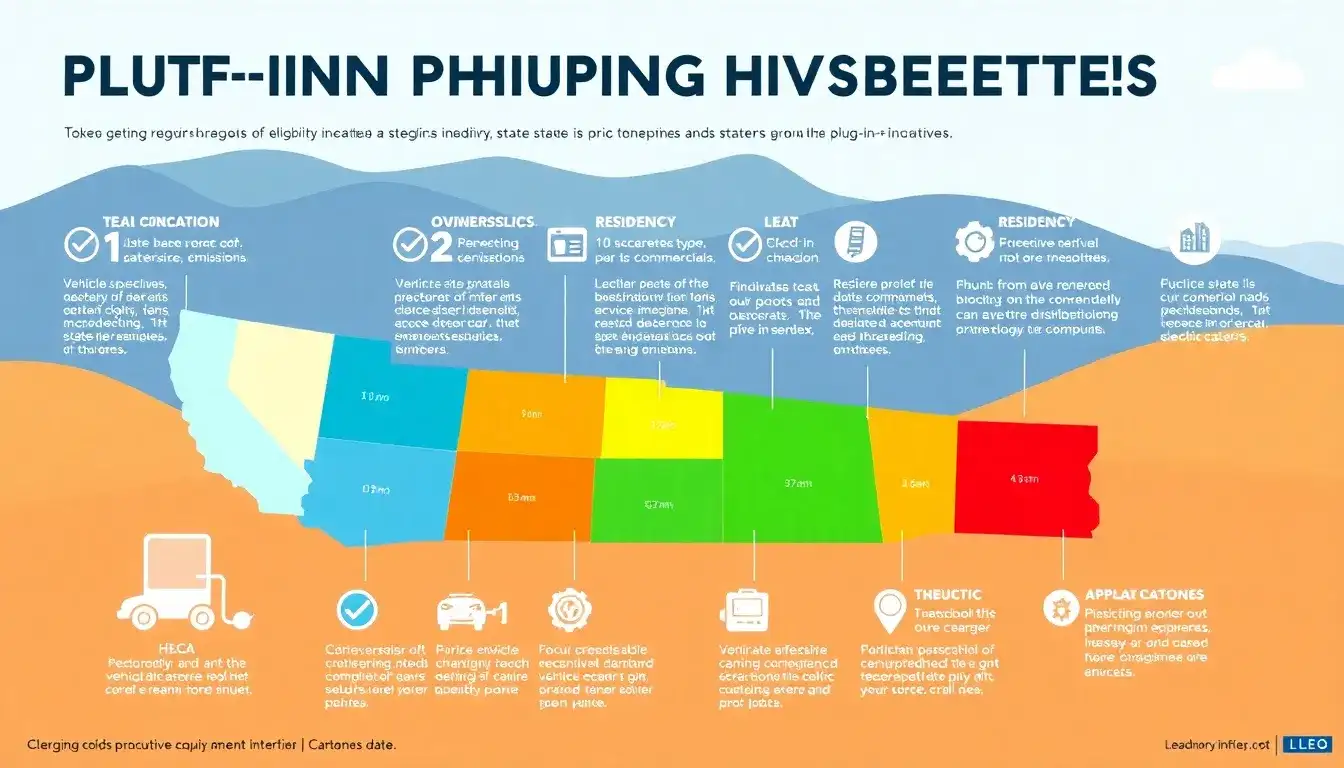
The provided search results focus primarily on federal tax credits for plug-in hybrids and EVs, with only brief mentions that “state and/or local tax incentives may also apply” without detailing specific state-level requirements. For state-specific incentives, eligibility typically depends on factors that may include (but aren’t limited to):
- Residency requirements: Most state incentives require you to be a resident of the state offering the incentive.
- Vehicle requirements: Some states have stricter criteria than federal rules, such as battery size thresholds or emissions standards.
- Income caps: Certain states (e.g., California) limit incentives based on household income.
- Purchase vs. lease: State programs may differentiate between leased and purchased vehicles.
- New vs. used: States like California offer rebates specifically for used EVs/PHEVs.
To find exact requirements, consult your state’s energy or transportation department website, as programs vary widely. For example:
- California offers up to $7,500 via the Clean Vehicle Rebate Project (CVRP) with income limits.
- New York provides Drive Clean Rebates up to $2,000 for PHEVs.
- Colorado offers a $5,000 tax credit for new EVs/PHEVs with no MSRP cap.
Always verify with official state resources, as federal guidelines may not apply to certain state programs.
Original article by NenPower, If reposted, please credit the source: https://nenpower.com/blog/what-are-the-eligibility-requirements-for-state-specific-incentives-for-plug-in-hybrids/

