

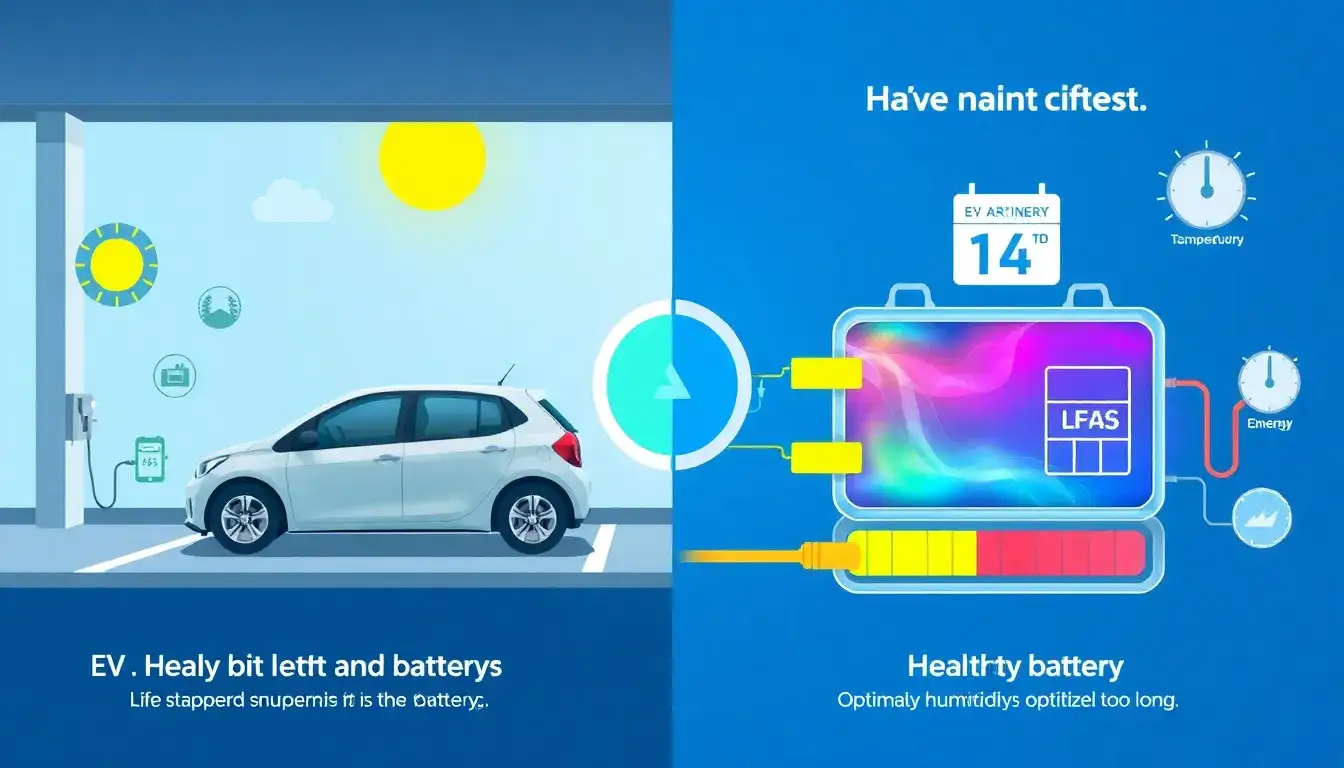
Parking an electric vehicle (EV) for extended periods can significantly affect battery life, but proper practices can mitigate risks. Here are the key considerations:
Battery Charge Level
For long-term storage, maintain a 40–50% state of charge. Allowing the battery to drop below 20% accelerates degradation, while overcharging (above 80–100%) stresses the battery chemistry. A Level 1 or 2 charger is recommended for trickle charging during storage.
Temperature Management
Heat dramatically impacts battery health:
- Park in shaded areas or garages to avoid high temperatures, which degrade lithium-ion batteries.
- In cold climates, store indoors to reduce capacity loss from extreme cold.
EVs may automatically cool batteries when parked in hot conditions, but this drains energy.
Battery Discharge Rate
EVs lose charge slowly when parked (typically 1–2% per month). To minimize drain:
- Disable unnecessary features like climate control presets.
- Monitor charge levels remotely and replenish before dropping below 20%.
Long-Term Strategies
Follow manufacturer-specific guidelines for charging intervals and software updates, as battery chemistries vary. Lithium-ion cells typically degrade at ~2.3% annually under normal use, but prolonged storage without precautions accelerates this. With proper care, EV batteries can exceed 280,000 miles before significant degradation.
Original article by NenPower, If reposted, please credit the source: https://nenpower.com/blog/what-are-the-effects-of-parking-an-ev-for-extended-periods-on-battery-life/

