

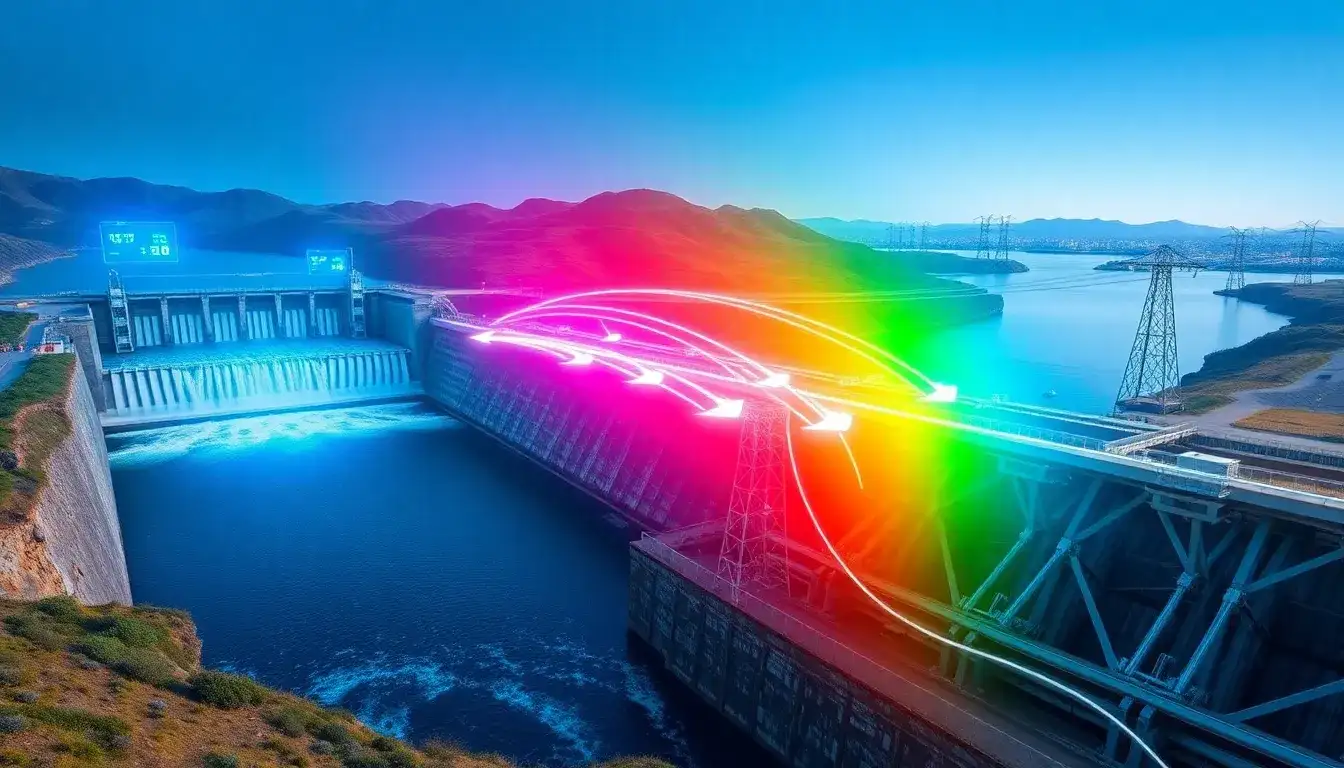
Multiple daily pump/generate cycles in pumped hydroelectric energy storage (PHES) can influence the system’s response time primarily through the operational dynamics of the reversible turbine/pump units and the hydraulic characteristics of the reservoirs involved. Although the search results do not directly address the impact of multiple daily cycles on response time, insights can be drawn from the known principles of pumped-storage hydroelectricity and turbine operation:
-
Reversible Turbine/Generator Dynamics
Pumped storage plants typically use reversible turbine/generator assemblies (often Francis turbine designs) that can switch between pumping and generating modes by changing rotational direction and speed. The time required to switch modes (pump to generate or vice versa) depends on the design of these machines, their control systems, and operational protocols. Frequent cycling within a day (multiple times) could slightly increase mechanical and control system stresses but does not fundamentally degrade the rapid response capability of the turbines, which are designed for quick ramping to balance grid demand. -
Hydraulic and Reservoir Considerations
Response time also depends on how quickly the stored water can be moved between reservoirs and the hydraulic head available. With multiple cycles per day, the water levels in the upper and lower reservoirs fluctuate more frequently, but as long as the reservoirs have sufficient capacity and the water conveyance systems (penstocks, tunnels) are well maintained, this should not significantly slow response times. However, very rapid or very frequent cycling could potentially introduce hydraulic transients (water hammer effects) that might require operational throttling and thus slightly affect response time. -
Operational Efficiency and Equipment Wear
Multiple cycles per day may affect the overall efficiency and wear of mechanical components, potentially leading to maintenance needs; however, modern pumped storage plants are robust and designed for flexible operation to support grid stability. Maintenance considerations might indirectly impact response time if equipment needs to be taken offline more frequently but do not inherently slow the switching process between pump and generate modes. -
Grid Integration and Control Systems
The ability of pumped hydro to respond quickly to grid signals is well-documented. Variable speed pump turbines allow for better optimization and faster response to changing grid conditions, supporting multiple daily cycles without significant delay. Advanced control systems facilitate quick switching to meet the demands of renewables integration.
Summary:
Multiple daily pump/generate cycles in pumped hydroelectric energy storage generally do not significantly degrade response time because the reversible turbines are designed for rapid switching and flexible operation. Hydraulic factors and reservoir management are key to maintaining fast response, and modern controls optimize transitions. Increased cycling might increase mechanical wear and maintenance needs over time but does not inherently slow immediate response to grid demands.
No explicit quantitative data on response time changes with increased cycling frequency were found in the provided results, so this conclusion is based on operational principles of pumped hydro systems.
Original article by NenPower, If reposted, please credit the source: https://nenpower.com/blog/what-are-the-effects-of-multiple-daily-pump-generate-cycles-on-the-response-time-of-pumped-hydroelectric-energy-storage/

