

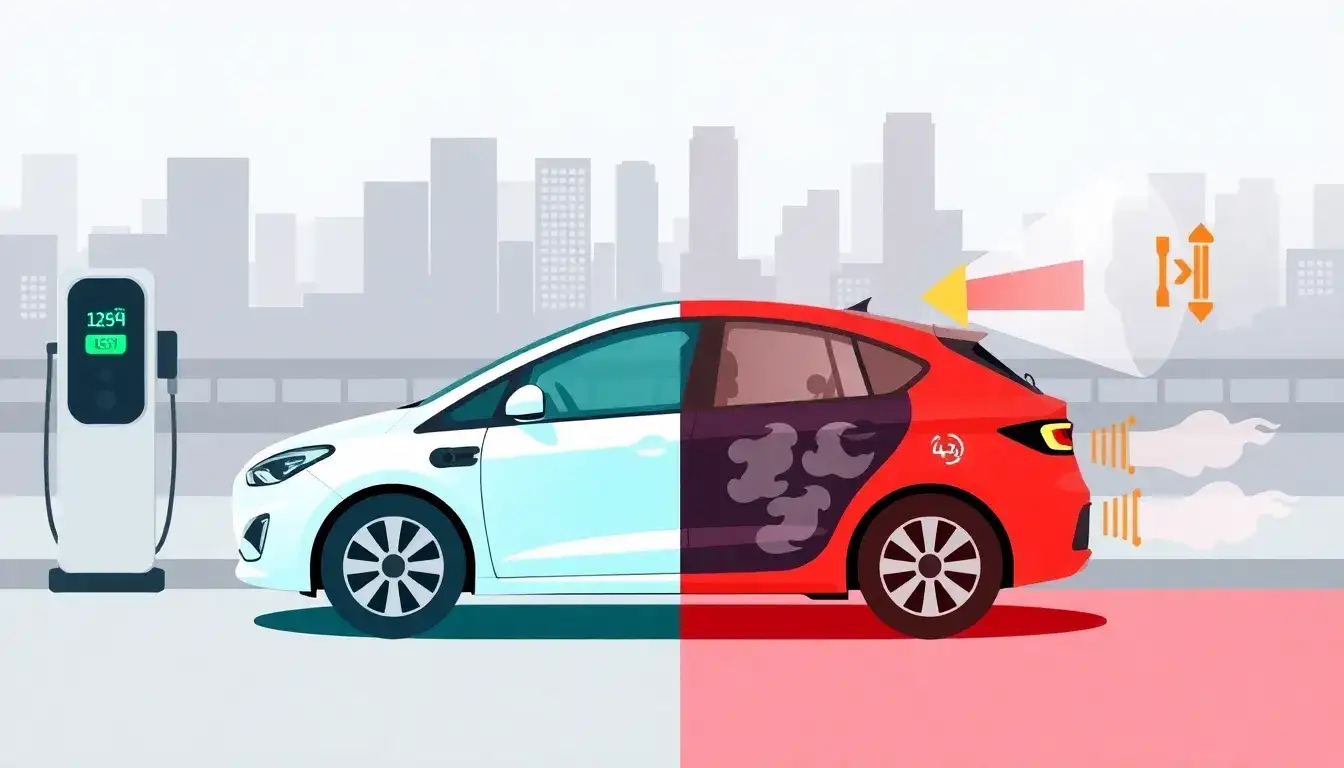
The effects of engine start-up on the electric range of plug-in hybrid electric vehicles (PHEVs) are tied primarily to the energy consumption and efficiency dynamics during the engine warm-up phase and the interaction between the electric motor and internal combustion engine (ICE).
Engine Start-Up Impact on Electric Range
-
Increased Energy Consumption During Warm-Up:
At initial startup, the PHEV’s gasoline engine requires a warm-up period (typically 2 to 4 minutes) during which it consumes more fuel and electrical energy than during normal operation. This is because the engine control strategies prioritize emissions compliance and smooth operation, which leads to less power output from the engine itself and a higher demand on the electric motor to meet driver power requirements. Consequently, more electrical energy is drawn from the battery during this warm-up, effectively reducing the vehicle’s electric range for that trip segment. -
Reduced Electric Range Due to Engine Operation:
When the engine starts, it supplements power, but the warm-up phase conditions cause a combined increase in fuel and electrical energy use. For trips starting with a cold engine, this effect is most pronounced, diminishing electric-only driving distance. For longer trips, the relative impact lessens as more of the drive occurs after the engine has warmed up. Trips with higher initial engine temperature see reduced energy consumption during startup, thus preserving more electric range. -
Frequency and Conditions of Engine Starts:
PHEVs are designed to start the engine while there is still some battery charge to provide a balance of power and efficiency. Frequent cold engine starts can increase fuel consumption and emissions, which indirectly affects electric range efficiency by consuming more fuel and electric energy simultaneously. This is because a cold start requires the engine to quickly reach operating temperature, and the electric motor assists during these periods to meet power demands. -
Engine Running While in EV Mode:
Some PHEVs may run the gasoline engine briefly even while technically in EV mode, for example, for around five minutes, to manage thermal conditions or powertrain needs. This running engine time consumes fuel and may reduce the effective electric range perceived during a single charge cycle.
Summary
The engine start-up in PHEVs leads to transient increased consumption of electrical energy from the battery due to the engine’s low initial power output and its warm-up needs. This reduces the effective electric range for the start of trips, especially when the engine is cold. Longer trips dilute this effect since the engine warm-up phase constitutes a smaller portion of the total drive time. Frequent cold starts and engine operation during EV mode also influence fuel and electrical consumption, affecting the overall electric range availability and efficiency of PHEVs.
In essence, engine start-up effects cause a short-term reduction in electric range primarily because more electrical energy is needed to compensate for the engine’s less efficient warm-up state.
Original article by NenPower, If reposted, please credit the source: https://nenpower.com/blog/what-are-the-effects-of-engine-start-up-on-the-electric-range-of-phevs/

