

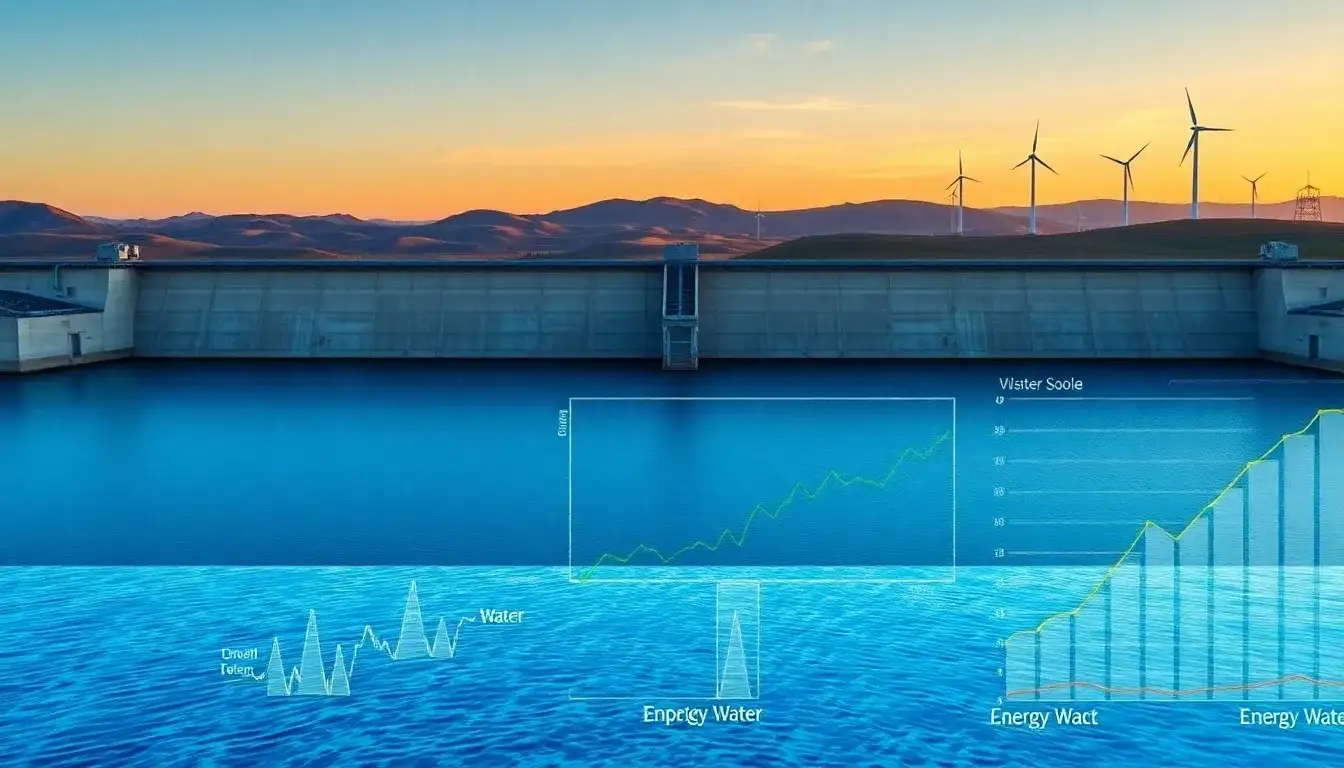
Economic Implications of Evaporation Losses in Pumped Hydroelectric Systems
Evaporation losses in pumped hydroelectric systems have several economic implications that are important to consider:
1. Water Resource Costs
- Cost of Replacement Water: Evaporation results in a loss of water, which may need to be replaced. This could involve purchasing water from other sources, potentially at a high cost, especially in water-scarce regions.
- Impact on Available Storage Volume: The loss reduces the effective storage capacity of the reservoir, which can decrease the system’s ability to generate electricity during peak demand periods, affecting revenue.
2. Operational Efficiency and Revenue
- Reduction in Operational Efficiency: Although evaporation itself might be a small percentage of the total water volume, it still contributes to reduced operational efficiency over time. This can lead to fewer opportunities for generating electricity, impacting revenue streams.
- Increased Cost per Unit of Electricity: The cost per unit of electricity generated can increase if the system’s capacity to store and generate energy is reduced due to water loss.
3. Environmental Considerations
- Environmental Management Costs: Managing evaporation and its impact on local ecosystems can require additional expenditure. This includes any necessary adaptations to maintain biodiversity or mitigate effects on nearby water bodies.
- Regulatory Compliance: In some regions, environmental regulations may require pumped hydroelectric systems to minimize water losses, leading to additional costs for implementing these measures.
4. Long-Term Viability
- Future Development Costs: Understanding and mitigating evaporation losses can influence decisions about where and how future pumped hydroelectric projects are developed. Sites with lower evaporation rates might be preferred, potentially affecting development costs and location choice.
- System Design and Optimization: Incorporating strategies to minimize evaporation (e.g., using coverings or optimizing reservoir design) can lead to higher upfront costs but may offer long-term benefits in terms of efficiency and resource conservation.
Overall, while evaporation losses in pumped hydroelectric systems are generally small compared to the total water volume, they can still have significant economic implications by affecting operational efficiency, resource management costs, and long-term viability.
Original article by NenPower, If reposted, please credit the source: https://nenpower.com/blog/what-are-the-economic-implications-of-evaporation-losses-in-pumped-hydroelectric-systems/

