

1. Arbitrage and Revenue Generation
Energy storage firms generate revenue by buying electricity at lower prices and selling it at higher prices, capitalizing on inter-temporal price differences in the wholesale market. This arbitrage capability allows storage operators to profit from price fluctuations, which can be particularly beneficial during periods of high variability in electricity demand or supply.
2. Market Efficiency and Competition
Energy storage helps mitigate market power in electricity markets by altering the bidding strategies of incumbent firms. This leads to more competitive market conditions, potentially increasing consumer welfare while slightly reducing storage operators’ profits. Efficient market operation can stabilize prices and reduce the influence of large market players.
3. Consumer Welfare and Surplus
The introduction of energy storage can lead to increased consumer surplus as it helps stabilize electricity prices, reduces peak demand charges, and ensures a more reliable power supply. While the private returns for storage operators may not always cover investment costs, the social benefits can be substantial, highlighting an under-investment problem.
4. Integration of Renewable Energy Sources (VREs)
Energy storage complements VREs by smoothing out the intermittency of renewable power generation, allowing for greater penetration of solar and wind energy into the grid. At moderate VRE levels, storage can initially reduce renewable generators’ revenue by decreasing prices. However, with higher VRE capacities, storage enhances renewable profitability by preventing curtailment and increasing price variability, which benefits energy storage operators as well.
5. Economic Benefits for Communities
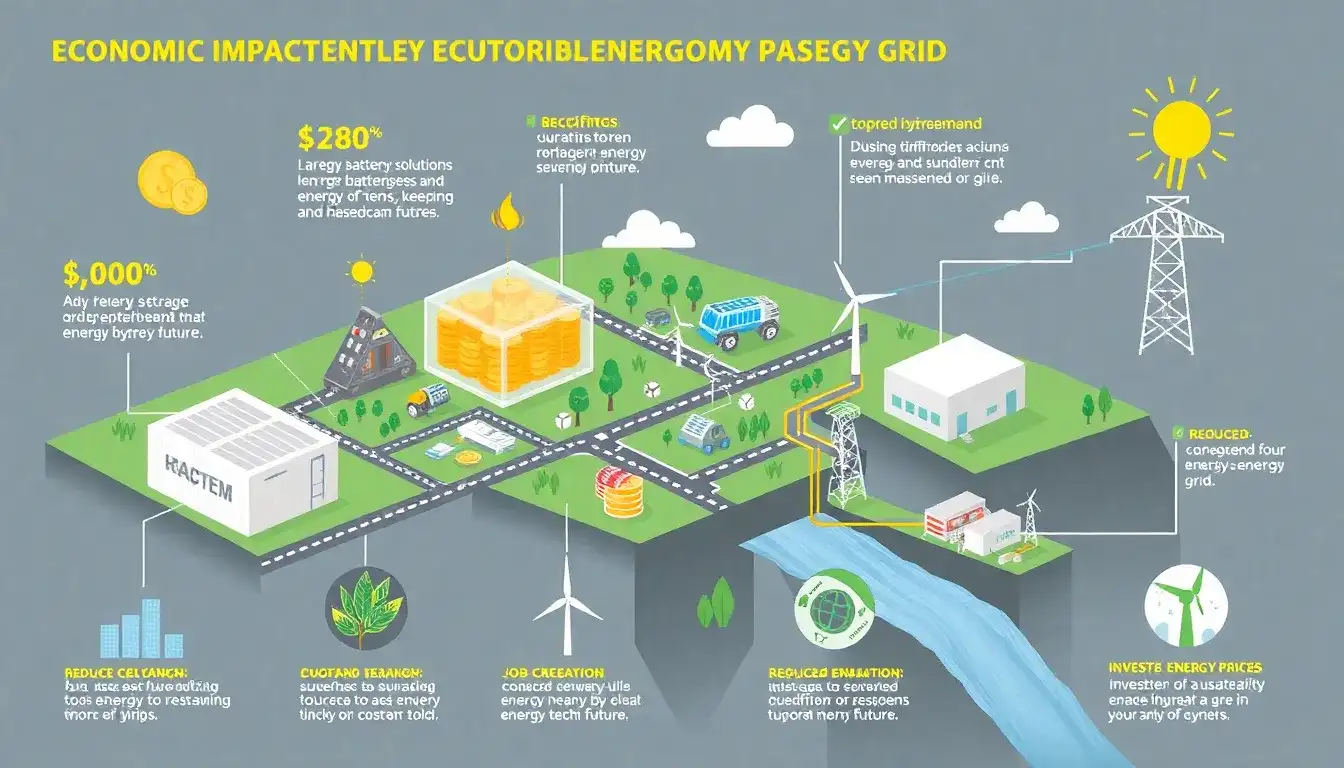
Energy storage projects contribute significantly to local economies through job creation, tax income, and lease payments. In the United States, for example, these projects generate substantial tax revenue and support thousands of jobs in development, manufacturing, and maintenance. This economic activity helps bolster local and national economies.
6. Cost Reductions and Investment
Implementing energy storage reduces electricity costs for consumers by smoothing out peak demand and lowering overall system costs. The sector attracts substantial investment, with billions of dollars dedicated to infrastructure development and technological advancements.
7. Environmental Benefits
By facilitating greater use of renewable energy sources, energy storage systems help reduce greenhouse gas emissions and mitigate climate change impacts. This aligns with global efforts to transition towards cleaner, more sustainable energy systems.
In summary, energy storage systems offer numerous economic benefits, including enhanced market efficiency, increased consumer welfare, and a competitive edge for renewable energy sources, despite challenges in private profitability and investment costs.
Original article by NenPower, If reposted, please credit the source: https://nenpower.com/blog/what-are-the-economic-impacts-of-implementing-energy-storage-systems-on-the-grid/

