

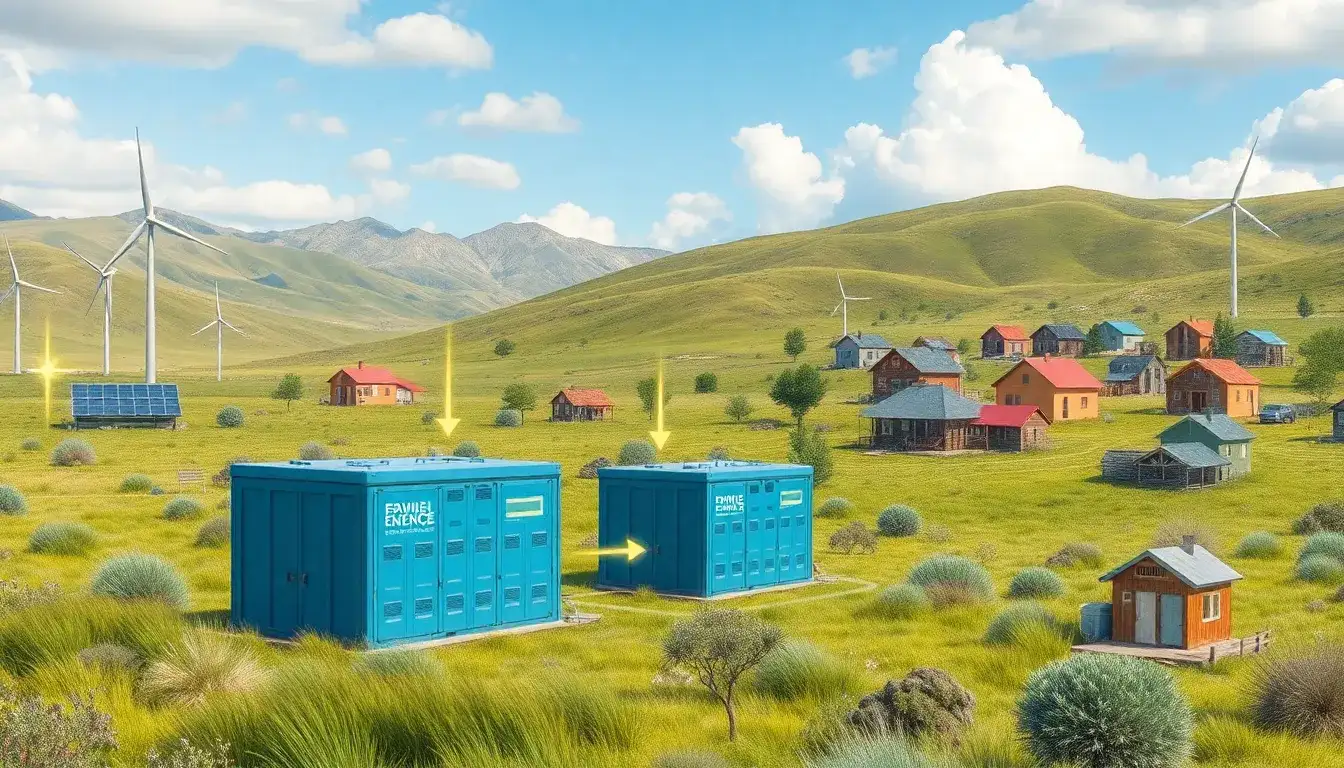
Utility-scale batteries offer several economic benefits when used in isolated grids, primarily by improving energy reliability, reducing costs, and enhancing the integration of renewable energy sources. Here are some key economic advantages:
- Reduced Reliance on Expensive Fuel Sources:
- Utility-scale batteries can store energy from renewable sources like solar and wind, thereby reducing dependence on costly imported diesel or other fuels traditionally used in isolated grids.
- This reduction in fuel costs significantly lowers the operational expenses for energy generation in remote areas.
- Increased Use of Renewable Energy:
- By storing excess energy generated by renewable sources during favorable conditions, utilities can supply consistent power to isolated communities, making renewable energy more viable and affordable.
- Cost Savings and Grid Stability:
- Energy storage systems help stabilize the grid, which in turn reduces the operational costs associated with managing peak demand and supply fluctuations.
- By releasing stored energy during peak demand periods, these systems mitigate price surges, providing cost savings for both utilities and consumers.
- Economic Growth:
- Utility-scale battery projects can contribute to economic growth by generating new jobs and stimulating local investment. While specific figures for isolated grids are less documented, the broader industry supports numerous jobs and generates substantial tax revenue.
- Government Incentives and Policies:
- Financial incentives and supportive policies from governments can further enhance the economic viability of utility-scale battery storage in isolated grids by reducing upfront costs and promoting renewable energy integration.
Original article by NenPower, If reposted, please credit the source: https://nenpower.com/blog/what-are-the-economic-benefits-of-using-utility-scale-batteries-in-isolated-grids/

