

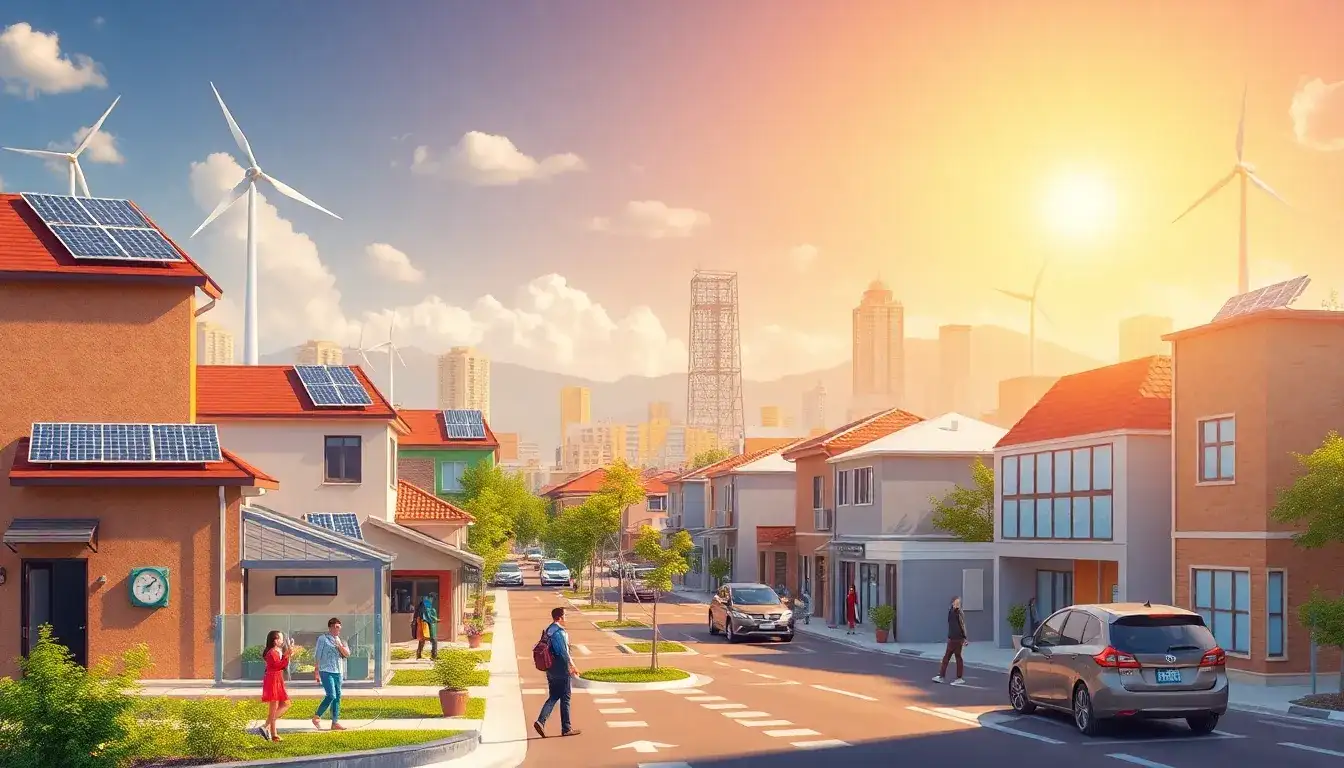
Economic Benefits of DERs
- Reduced Costs for Consumers:
- Lower Energy Bills: DERs like rooftop solar and energy-efficient systems help reduce energy consumption, thereby lowering household bills.
- Avoidance of Infrastructure Costs: By generating power locally, consumers can avoid relying on costly transmission and distribution infrastructure.
- Increased Economic Growth and Jobs:
- Stimulation of Local Economies: The deployment and maintenance of DERs create jobs and stimulate local economies by supporting local businesses involved in their installation and upkeep.
- Overall Economic Boost: Countries like Australia could see an economic boost of at least $19 billion by 2040 through the integration of DERs.
- Improved Grid Resilience and Reliability:
- Reduced Need for Traditional Infrastructure: DERs can delay or eliminate the need for building new distribution substations or transmission lines, which reduces overall system costs.
- Reliability and Resilience: DERs help maintain grid stability during outages or high demand periods by providing power locally.
- Environmental Benefits:
- Reduced Greenhouse Gas Emissions: By promoting renewable energy sources, DERs contribute to reducing greenhouse gas emissions and other pollutants, which has long-term economic benefits through avoided health and environmental costs.
- Enhanced Equity and Access:
- Increased Energy Equity: DERs can provide energy access to underserved communities, enhancing equity in the energy sector by making affordable energy options available.
Overall, the integration of DERs into energy systems not only benefits consumers financially but also contributes to a more sustainable and resilient energy future.
Original article by NenPower, If reposted, please credit the source: https://nenpower.com/blog/what-are-the-economic-benefits-of-using-distributed-energy-resources/

