

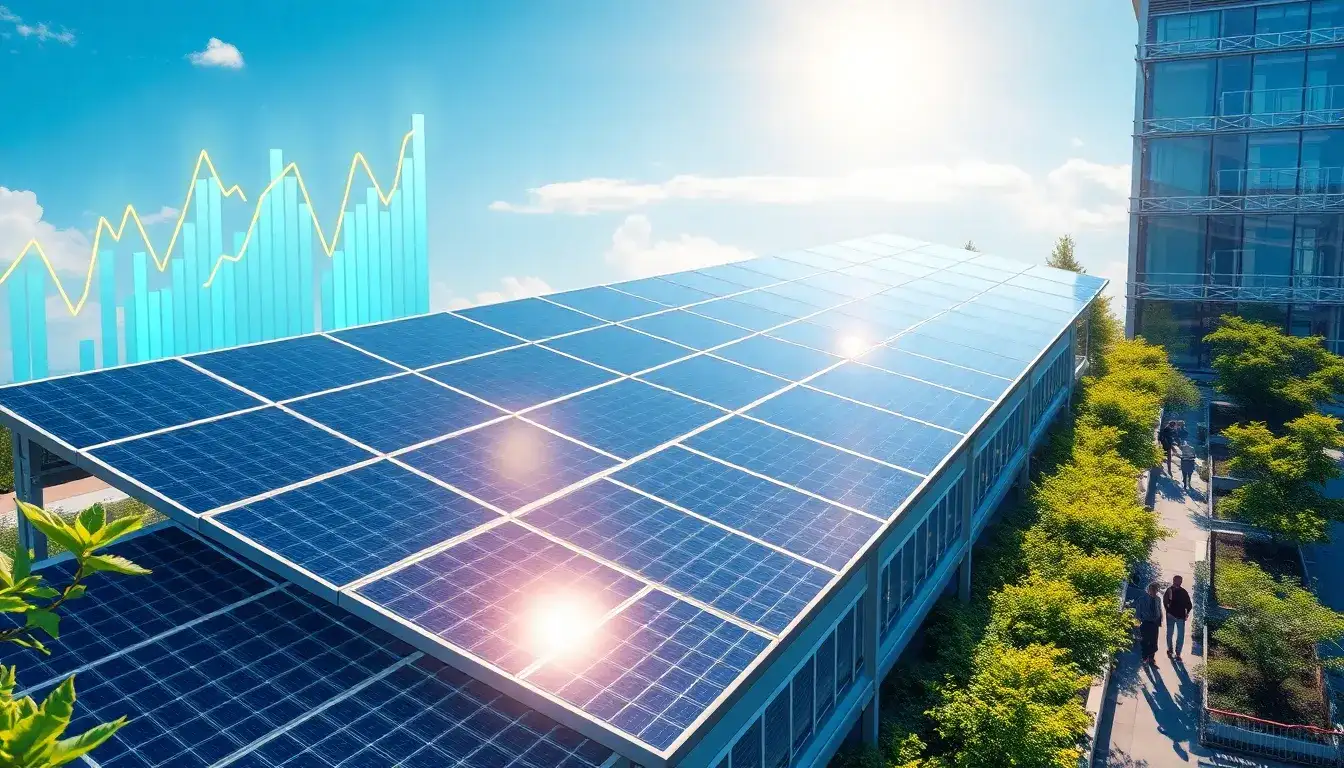
The economic benefits of using anti-reflective coatings (ARCs) on solar panels are significant and multifaceted, primarily centered on enhancing energy generation, reducing operational costs, and improving the overall return on investment (ROI) for solar projects.
Key Economic Benefits of Anti-Reflective Coatings on Solar Panels
1. Increased Energy Generation and Efficiency
- ARCs reduce the reflection of sunlight on the solar panel surface, allowing more light to be absorbed by the photovoltaic cells. Typically, uncoated panels can reflect up to 30% of sunlight, but ARCs lower this reflection significantly.
- This enhanced light absorption results in a boost of 3-5.5% more electricity generation compared to standard panels without such coatings. For example, a 40 MW solar power plant using AR-coated modules can produce about 72 GWh annually, a 5.5% increase over 69 GWh from non-coated modules.
- The increase in electrical output translates directly into higher revenue from energy sales or greater cost savings in residential and commercial installations.
2. Reduction in Levelized Cost of Energy (LCOE)
- The improved efficiency lowers the LCOE, meaning the average cost per unit of electricity generated decreases. Research from Morocco showed a 2.7% reduction in LCOE for solar plants equipped with AR-coated panels, dropping from 0.037 €/kWh to 0.0368 €/kWh.
- Lower LCOE improves the financial viability and competitiveness of solar projects, attracting more investment and accelerating deployment.
3. Enhanced Durability and Lower Maintenance Costs
- ARCs have demonstrated impressive durability, with studies indicating only about a 2.6% decrease in optical performance after simulated 29 years of cleaning cycles, suggesting longevity equal to or exceeding the solar panel’s lifetime.
- Many ARCs have self-cleaning or hydrophobic properties that reduce dust and dirt adherence, decreasing soiling losses by around 3.7% and lowering cleaning frequency and water use, especially in dusty or arid environments.
- This reduction in maintenance leads to savings on labor, cleaning resources, and water consumption, which is economically significant for large-scale solar farms and installations in water-scarce regions.
4. Faster Return on Investment (ROI)
- By boosting panel efficiency and reducing operation and maintenance costs, ARCs can shorten the payback period of solar investments by 6-8 months.
- This accelerated ROI makes solar projects more attractive to both commercial developers and residential customers, enhancing market uptake.
5. Suitability for Harsh Environments and Climate Adaptation
- ARCs maintain performance under high temperatures (up to 85°C) and in environments with high dust and aerosol concentrations. This is crucial for regions with harsh climates like deserts or tropical zones, ensuring energy yield reliability and reducing performance degradation costs over time.
6. Market Growth and Innovation Opportunities
- The growing adoption of ARCs drives market expansion, with projections valuing the solar panel coatings market at USD 41 billion by 2033. This growth fuels technological innovations and creates economic opportunities in manufacturing, installation, and maintenance services.
- Innovations like nanotechnology coatings, smart coatings that adjust to sunlight conditions, and hydrophobic surfaces enhance economic returns by further improving efficiency and reducing costs.
Summary Table of Economic Benefits
| Benefit | Economic Impact | Supporting Evidence |
|---|---|---|
| Increased energy generation | 3-5.5% more electricity, higher revenue/savings | +5.5% output in 40 MW plant; +3-4% efficiency boost |
| Reduced LCOE | ~2.7% lower cost per kWh | LCOE reduced from 0.037 to 0.0368 €/kWh |
| Lower maintenance costs | Less frequent cleaning and water savings | 3.7% less soiling; durable coatings for 25+ years |
| Faster ROI | Payback period shortened by 6-8 months | Improved efficiency and lower O&M costs |
| Enhanced durability | Longer panel lifespan, fewer replacements | Only 2.6% optical drop after 29 years simulation |
| Climate adaptability | Sustained performance in high heat and dusty environments | Effective in hot climates and desert regions |
| Market growth & innovation | New product development, global market expansion | $41 billion market by 2033; advances in smart and nano coatings |
In conclusion, anti-reflective coatings on solar panels deliver clear economic benefits by increasing energy output, decreasing the cost of energy production, reducing cleaning and maintenance needs, and shortening the investment payback period. These advantages improve the financial feasibility of solar projects, especially in challenging environmental conditions, and contribute to the broader adoption and sustainability of solar energy worldwide.
Original article by NenPower, If reposted, please credit the source: https://nenpower.com/blog/what-are-the-economic-benefits-of-using-anti-reflective-coatings-on-solar-panels/

