

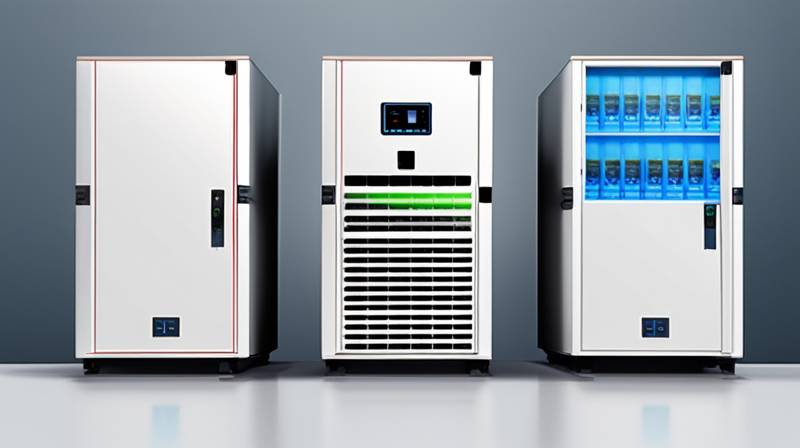
Liquid-cooled energy storage cabinets present several drawbacks that warrant attention. 1. High initial investment, 2. Maintenance complexity, 3. Risk of leakage, 4. Temperature sensitivity. High initial investment necessitates substantial upfront capital, often making them less accessible for small-scale applications. Maintenance complexity arises from the need for specialized skills and knowledge. The risk of leakage poses significant threats to both equipment and surrounding areas. Temperature sensitivity can lead to performance issues if optimal conditions are not maintained, impacting overall efficiency.
1. HIGH INITIAL INVESTMENT
The capital required to procure and install liquid-cooled energy storage cabinets can be remarkably substantial. First, the technological sophistication of these systems translates into higher prices. Traditional energy storage solutions typically involve simpler designs and components, allowing them to be more cost-effective. Conversely, liquid-cooled systems integrate advanced cooling methods, requiring specialized components, which inherently elevates overall costs. This can pose a barrier for many potential users, particularly smaller enterprises or individuals with limited budgets.
Moreover, the installation process can exacerbate initial costs. Integrating these advanced systems often demands extensive changes to existing infrastructure. For instance, additional plumbing for coolant management may necessitate extensive renovations. Furthermore, it may require specialized contractors who are familiar with liquid cooling systems, driving labor costs higher. As a result, the financial burden associated with the setup of such energy storage cabinets can dissuade users and lead them to consider more economically feasible alternatives.
2. MAINTENANCE COMPLEXITY
Another significant concern revolves around the intricate maintenance regimes associated with liquid-cooled energy storage cabinets. Regular maintenance is essential to ensure the reliability and efficiency of these systems. Unlike conventional air-cooled systems, which typically require minimal upkeep, liquid-cooled solutions depend heavily on the maintenance of both the cooling fluid and the components involved in circulating that fluid. This necessity for meticulous monitoring contributes to increased long-term operational costs.
Additionally, the technical expertise required for effective maintenance cannot be overlooked. Personnel must have specific training to handle the unique components of liquid cooling systems, including pumps, radiators, and reservoirs. The precise management of liquid levels and coolant quality is critical in preventing malfunctions. Businesses may find themselves struggling to retain trained professionals or may incur supplementary costs in hiring external specialists. Such dynamics complicate a user’s ability to efficiently manage their energy storage systems, often leading to unpredicted outages or performance declines.
3. RISK OF LEAKAGE
The aspect of leakage introduces significant risks that can jeopardize not just the energy storage equipment but also the surrounding environment. Liquid-cooled energy storage cabinets operate by circulating coolant through various components. This inherent function raises the potential for leaks, whether through worn hoses, faulty joints, or compromised seals. Such occurrences can lead to hazardous situations, including equipment failure or damage to nearby structures. Not only can this result in costly repairs, but the downtime associated with addressing these issues can hinder productivity and reliability.
Moreover, the substances utilized in these systems can vary in toxicity and environmental impact. In cases where a coolant leak occurs, there is the possibility of harmful substances contaminating the surrounding area, necessitating significant cleanup efforts. Regulatory environmental health concerns could also lead to legal ramifications for the business, resulting in financial penalties or increased insurance costs. Therefore, the risk of leakage constitutes a troubling disadvantage that businesses must carefully navigate when considering liquid-cooled energy storage cabinets.
4. TEMPERATURE SENSITIVITY
The performance of liquid-cooled energy storage cabinets can be acutely sensitive to temperature fluctuations. Operational efficiency is highly reliant upon maintaining specific temperature ranges for the coolant, as well as the batteries themselves. Variance outside these recommended parameters can lead to degraded performance, impacting both energy retention and discharge capabilities. Consequently, the systems may not deliver the expected output during peak demand times, rendering them less dependable than anticipated.
Additionally, managing temperature sensitivity can impose further logistical challenges. Maintaining optimal temperature ranges entails ongoing monitoring and adjustments that can complicate operations significantly. Systems may require active climate control measures to address ambient temperature changes, adding to operational expenses. In situations of extreme temperatures, specialized housing or insulated environments may be needed, further complicating setup and maintenance. Thus, the inherent temperature sensitivity tied to liquid-cooled energy storage cabinets necessitates meticulous management, significantly challenging their practicality for diverse environments.
FREQUENTLY ASKED QUESTIONS
WHAT IS THE MAIN DRAWBACK OF LIQUID-COOLED ENERGY STORAGE?
While liquid-cooled energy storage systems offer advantages like higher efficiency and denser energy storage, the principal drawback is the high initial capital expenditure. The cost-effective feasibility of adopting these systems can deter potential users, especially smaller entities or those operating on tighter budgets. Additionally, ongoing operational expenditures such as maintenance and potential leakage management can compound the financial burden over time, emphasizing the need to weigh these considerations against their benefits.
ARE THERE SAFETY RISKS ASSOCIATED WITH LIQUID-COOLED ENERGY STORAGE?
Yes, safety risks are a significant concern with liquid-cooled energy storage systems. The risk of leaks poses hazards to both the equipment and surrounding areas. A leak can lead to equipment failures, environmental contamination, or toxic exposure. The management of coolant substances, if they are toxic, becomes crucial to ensuring worker safety and complying with environmental regulations. Therefore, businesses must implement stringent monitoring and maintenance protocols to mitigate these risks effectively.
HOW DOES MAINTENANCE OF LIQUID-COOLED SYSTEMS COMPARE TO AIR-COOLED SYSTEMS?
The maintenance demands of liquid-cooled energy storage cabinets significantly exceed those of air-cooled systems. Liquid-cooled units require specialized maintenance procedures, including coolant management and monitoring fluid levels. Given the complexity and technical expertise involved, operational costs associated with maintaining these systems can escalate rapidly. Meanwhile, air-cooled systems generally entail less intricate upkeep, making them more user-friendly for organizations without specialized personnel or resources.
In summary, the various downsides affiliated with liquid-cooled energy storage cabinets present a compelling case for thorough consideration before adoption. Factors such as the initial financial investment, maintenance complexities, risks of leakage, and sensitivity to temperature illustrate the multifaceted challenges involved. Each of these elements can significantly influence the overall feasibility, reliability, and safety of the energy storage solutions in question. Businesses and individuals contemplating the switch to liquid-cooled systems must conduct an in-depth analysis to weigh these persistent disadvantages against the potential benefits. A comprehensive understanding of these drawbacks not only facilitates smarter investment decisions but also ensures that users prepare adequately for the responsibilities that come with liquid-cooled energy storage systems. Reducing risks, optimizing maintenance practices, and closely monitoring these systems can contribute to enhancing their operational efficiency, ensuring that they meet energy demands sustainably without compromising safety or financial viability. Thus, while the potential for advancement exists, the complexities and challenges associated with liquid-cooled energy storage cannot be underestimated, demanding thorough exploration and strategic planning.
Original article by NenPower, If reposted, please credit the source: https://nenpower.com/blog/what-are-the-disadvantages-of-liquid-cooled-energy-storage-cabinets/

