

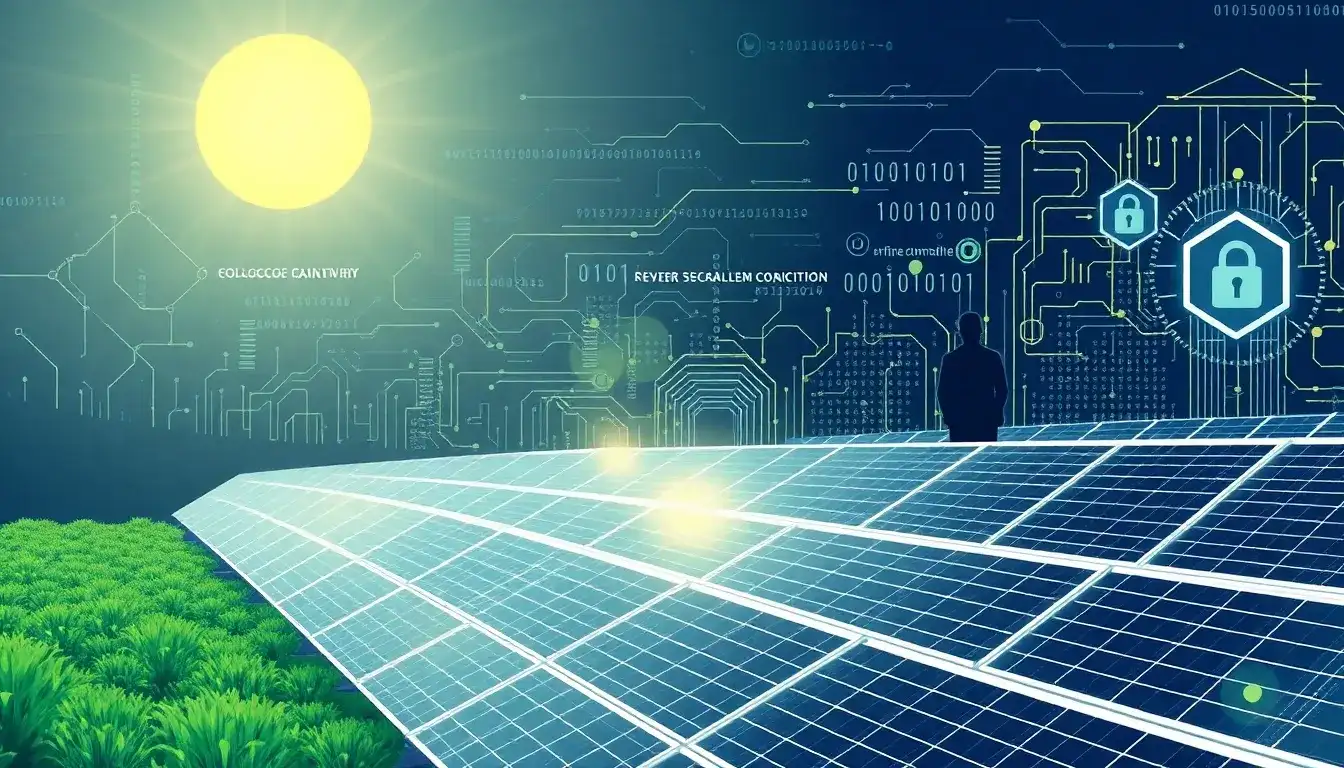
Cybersecurity Risks Associated with AI in Solar Energy
The integration of artificial intelligence (AI) in solar energy systems enhances efficiency but also introduces cybersecurity risks. These risks can affect both the stability of the power grid and the security of data and control systems.
Risks Overview
- Data and Control Risks: AI systems collect and analyze vast amounts of data from solar installations and the grid. If compromised, attackers could manipulate this data, leading to inaccurate power output predictions or grid instability.
- AI as a Target: AI algorithms can become targets for cyberattacks, potentially leading to unauthorized control over solar systems and disruptions in power generation.
- Complexity and Interconnectedness: AI increases system complexity, making solar installations more dependent on secure network infrastructures. This complexity can introduce new vulnerabilities if not properly managed.
Specific Risks and Impacts
- Grid Stability: AI can help manage solar power integration into the grid more effectively, but if compromised, it could lead to grid instability or blackouts.
- Data Privacy: Solar systems connected to AI can store sensitive user data, such as energy consumption patterns. Unauthorized access to this data can violate privacy and GDPR regulations.
- Smart System Hijacking: AI-controlled smart devices connected to solar systems (like electric vehicle chargers) could be hijacked, allowing attackers to gain control over various smart home devices.
Mitigation Strategies
- Secure by Design: Ensure that AI systems are designed with built-in cybersecurity measures to prevent vulnerabilities.
- Real-time Monitoring: Implement advanced monitoring tools using AI and machine learning to detect potential threats and anomalies in real-time.
- Cybersecurity Standards: Establish and enforce strict cybersecurity standards for AI systems in solar energy, similar to NIST IR 8259.
Conclusion
While AI enhances the efficiency and productivity of solar energy systems, addressing cybersecurity risks is critical to ensure grid stability and protect user data. Implementing robust security measures at the design phase and maintaining continuous monitoring are essential steps to mitigate these risks.
Original article by NenPower, If reposted, please credit the source: https://nenpower.com/blog/what-are-the-cybersecurity-risks-associated-with-ai-in-solar-energy/

