

Low Volumetric Energy Density
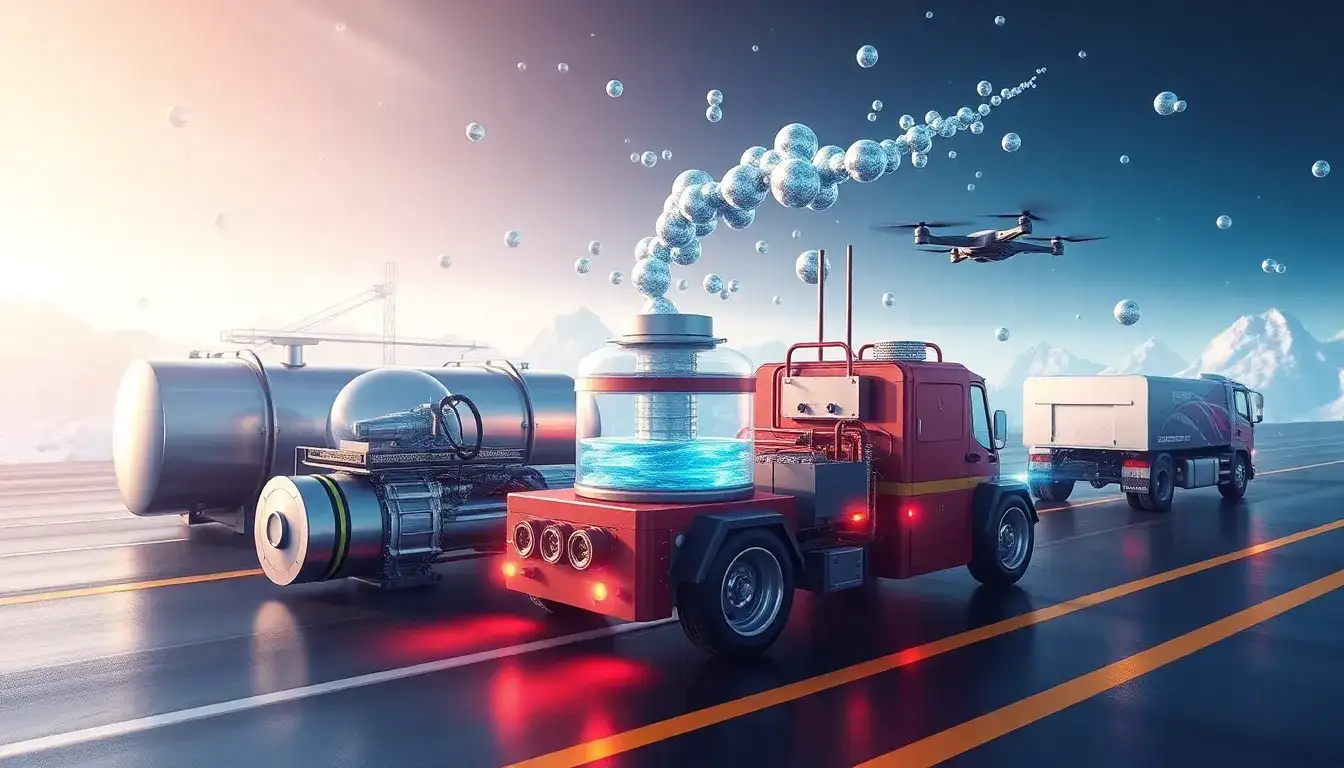
Hydrogen has a very low volumetric energy density compared to conventional fuels. Even when stored as a liquid, hydrogen requires roughly four times the volume of gasoline to hold the same amount of energy. This is a critical limitation for mobile applications like vehicles, where space is limited and compact, efficient storage is essential.
High Pressure and Cryogenic Requirements
To store enough hydrogen onboard, it must be compressed to extremely high pressures (up to 700 bar) or liquefied at very low temperatures (-253°C). Both approaches pose engineering challenges: high-pressure tanks need to be heavy and robust for safety, while cryogenic liquid hydrogen storage demands complex insulation and active cooling systems to prevent boil-off losses.
Energy Efficiency and Costs
The process of compressing or liquefying hydrogen consumes considerable energy, reducing the overall efficiency of the fuel cycle. Liquefaction, in particular, is energy-intensive and costly. Additionally, the infrastructure for hydrogen storage—including specialized tanks, compressors, safety systems, and monitoring equipment—requires significant investment, which can be prohibitive for widespread adoption.
Safety Concerns
Hydrogen’s small molecular size makes it prone to leakage, and its flammability requires stringent safety measures. Designing storage systems that reliably prevent leaks and safely manage high pressures or cryogenic conditions is a key engineering challenge.
Current Storage Methods and Emerging Solutions
- Compressed gas storage in reinforced tanks is common but bulky and energy-intensive to maintain.
- Liquid hydrogen storage offers better density but is costly and complex due to cryogenic requirements.
- Emerging technologies like metal hydrides and chemical carriers are under investigation as potentially safer and more efficient alternatives, though they are not yet widely commercialized.
In summary, the main hurdles for hydrogen storage in mobile applications are achieving sufficiently high energy density in limited space, ensuring energy-efficient and cost-effective storage technologies, and maintaining the highest safety standards under challenging physical conditions.
Original article by NenPower, If reposted, please credit the source: https://nenpower.com/blog/what-are-the-current-challenges-in-storing-hydrogen-for-mobile-applications/

