

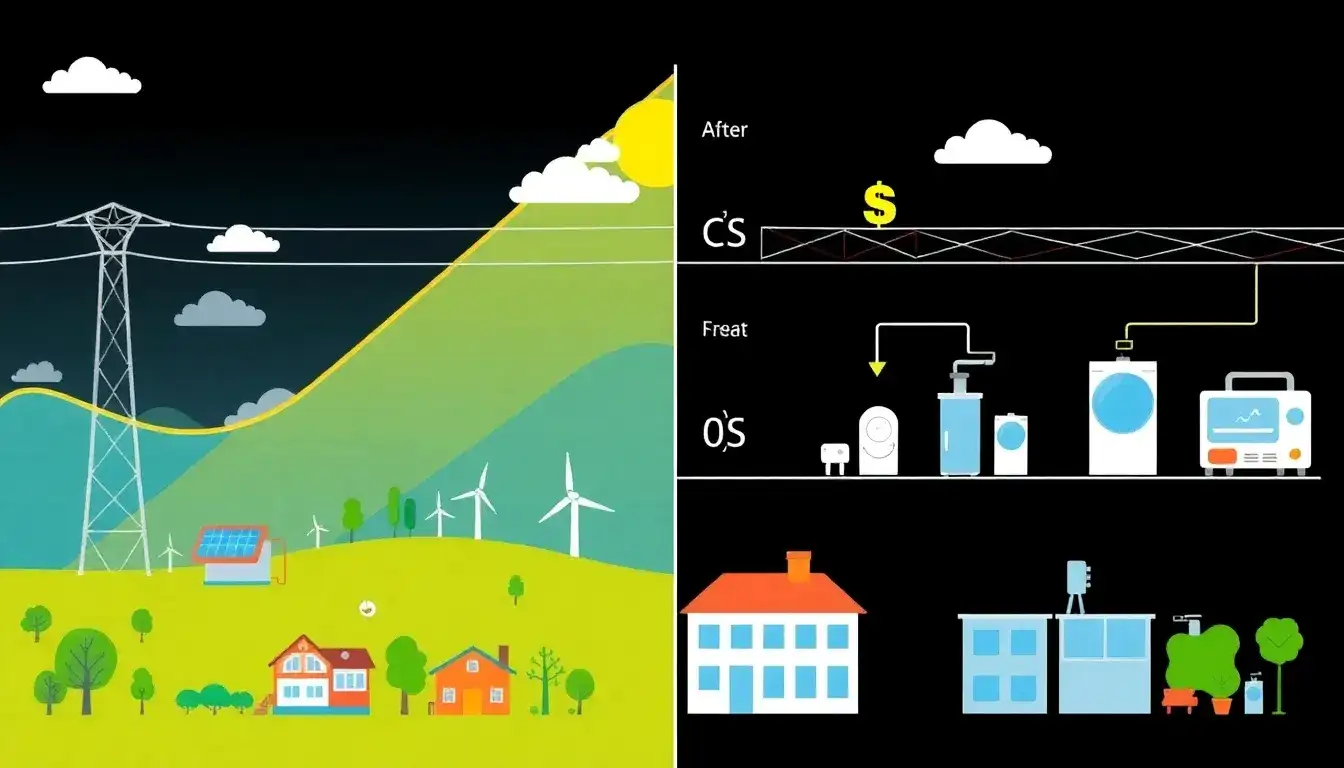
Peak shaving is a strategic approach used by businesses and energy consumers to minimize electricity costs during periods of high demand. This methodology involves reducing power consumption or utilizing alternative energy sources during peak demand hours, resulting in significant cost savings, improved grid stability, and reduced environmental impact. Here are the key cost savings and benefits associated with peak shaving:
Cost Savings from Peak Shaving
- Reduced Demand Charges: A significant portion of commercial electricity bills is determined by demand charges, which are based on the peak power consumption during a billing cycle. By implementing peak shaving techniques, businesses can effectively lower their peak demand, resulting in reduced demand charges. Studies show that businesses can save up to 30% on peak energy costs through these strategies.
- Avoiding High-Cost Energy: During peak periods, electricity prices can surge, sometimes reaching levels three times higher than the average rate. By decreasing consumption during these high-cost periods, businesses can avoid significant price spikes, leading to substantial savings on their overall energy bills. For instance, a business using stored energy during peak times instead of drawing from the grid can save significantly on costs.
- Efficient Use of Energy Storage: Battery energy storage systems (BESS) play a crucial role in peak shaving by storing energy during off-peak periods and discharging it during peak times. This not only reduces reliance on the grid when demand is high but also allows businesses to take advantage of lower energy costs during off-peak hours, maximizing their cost-saving potential.
- Operational Flexibility and Load Management: Businesses that can adjust their consumption patterns—either by curtailing usage or shifting loads to off-peak times—can further increase their savings. For example, load curtailment strategies can allow companies to temporarily reduce non-essential energy use during peak demand, significantly lowering their overall energy expenses.
Additional Benefits of Peak Shaving
- Grid Stability Improvement: By reducing strain on the electrical grid during peak demand hours, peak shaving helps maintain the stability and reliability of the power supply. This can lower the risk of power outages and infrastructure strain, ultimately benefiting both the consumer and the utility providers.
- Environmental Impact: Reducing reliance on fossil fuels during peak periods can lower greenhouse gas emissions, contributing to environmental sustainability. This is particularly beneficial as energy sources are increasingly shifting towards renewables.
- Integration of Renewable Energy: Peak shaving supports the use of renewable energy sources, such as solar and wind, by allowing businesses to store excess energy generated during low-demand periods and use it during peak hours. This flexibility enhances the viability of renewable energy integration within energy systems.
Conclusion
Overall, implementing peak shaving strategies can drastically reduce energy costs for businesses, improve grid stability, and promote environmental sustainability. As energy demands continue to rise, the adoption of techniques like battery storage, demand response programs, and strategic load management will become increasingly essential for both cost savings and efficient energy use.
Original article by NenPower, If reposted, please credit the source: https://nenpower.com/blog/what-are-the-cost-savings-associated-with-peak-shaving/

