

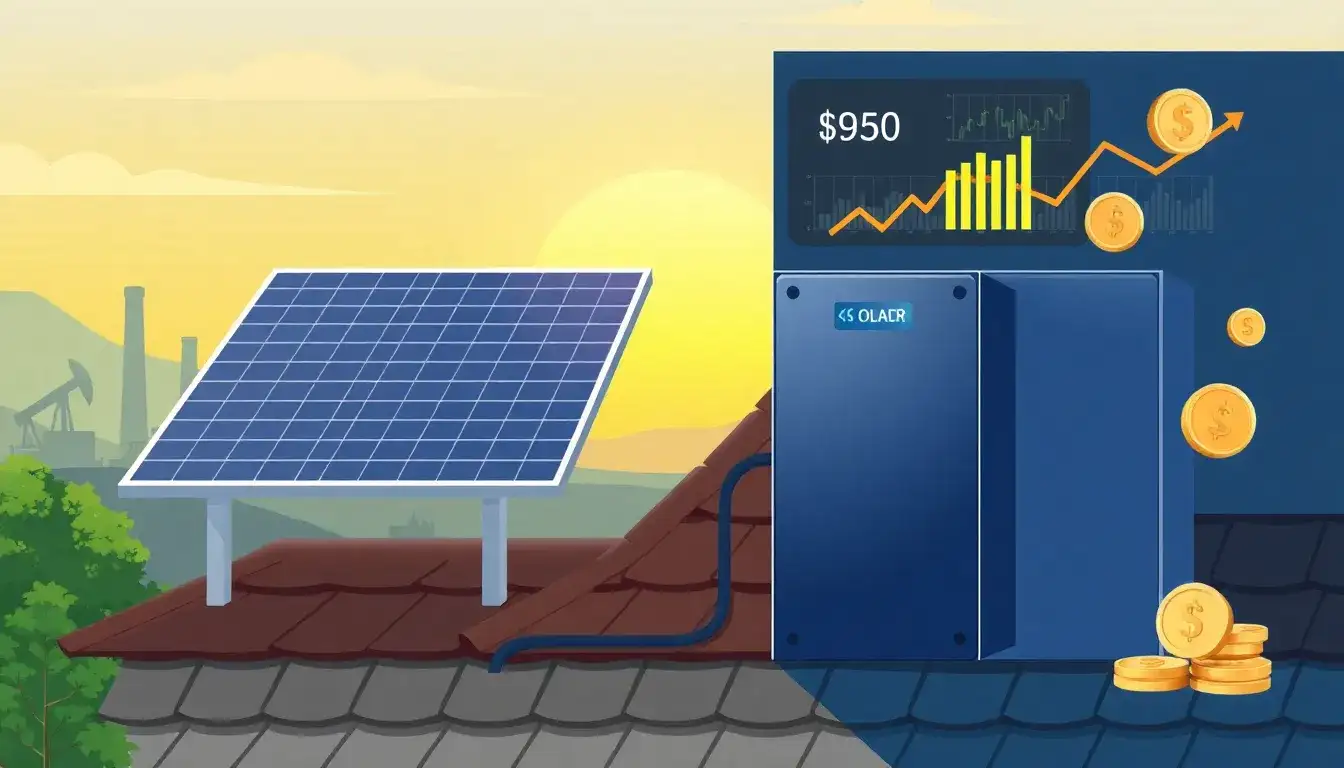
The cost implications of using lithium-ion batteries in solar energy systems are significant and multifaceted:
- Increased Overall Solar System Cost: Integrating lithium-ion batteries with a solar system can substantially raise the total installation cost, sometimes even doubling the price of the system. This is primarily due to the added expense of the battery storage component itself.
- Battery Cost Drivers: The fluctuating price of lithium, a key raw material for lithium-ion batteries, directly impacts battery costs. Lithium prices have experienced volatility, but recent trends indicate some stabilization in the $20,000 to $25,000 per metric ton range. Despite this, any upward pressure on lithium prices could increase battery costs.
- Impact on Renewable Energy Adoption: High costs of lithium-ion batteries may slow the adoption of solar energy systems with storage, as the affordability of these systems decreases. This is particularly relevant because battery storage is essential for balancing supply and demand in solar energy, enabling better utilization of generated energy.
- Market and Innovation Effects: While prices remain a challenge, battery storage helps stabilize energy markets by reducing price volatility and encouraging renewable integration. Innovations and subsidies are expected to mitigate some cost barriers, but persistent high lithium costs could delay wider adoption of solar-plus-storage systems.
In summary, lithium-ion batteries add significant upfront costs to solar energy systems mainly due to lithium pricing and battery manufacturing expenses. Although their high efficiency and energy density make them ideal for solar energy storage, cost remains a major factor influencing the economic feasibility and pace of solar energy deployment with battery storage.
Original article by NenPower, If reposted, please credit the source: https://nenpower.com/blog/what-are-the-cost-implications-of-using-lithium-ion-batteries-in-solar-energy-systems/

