

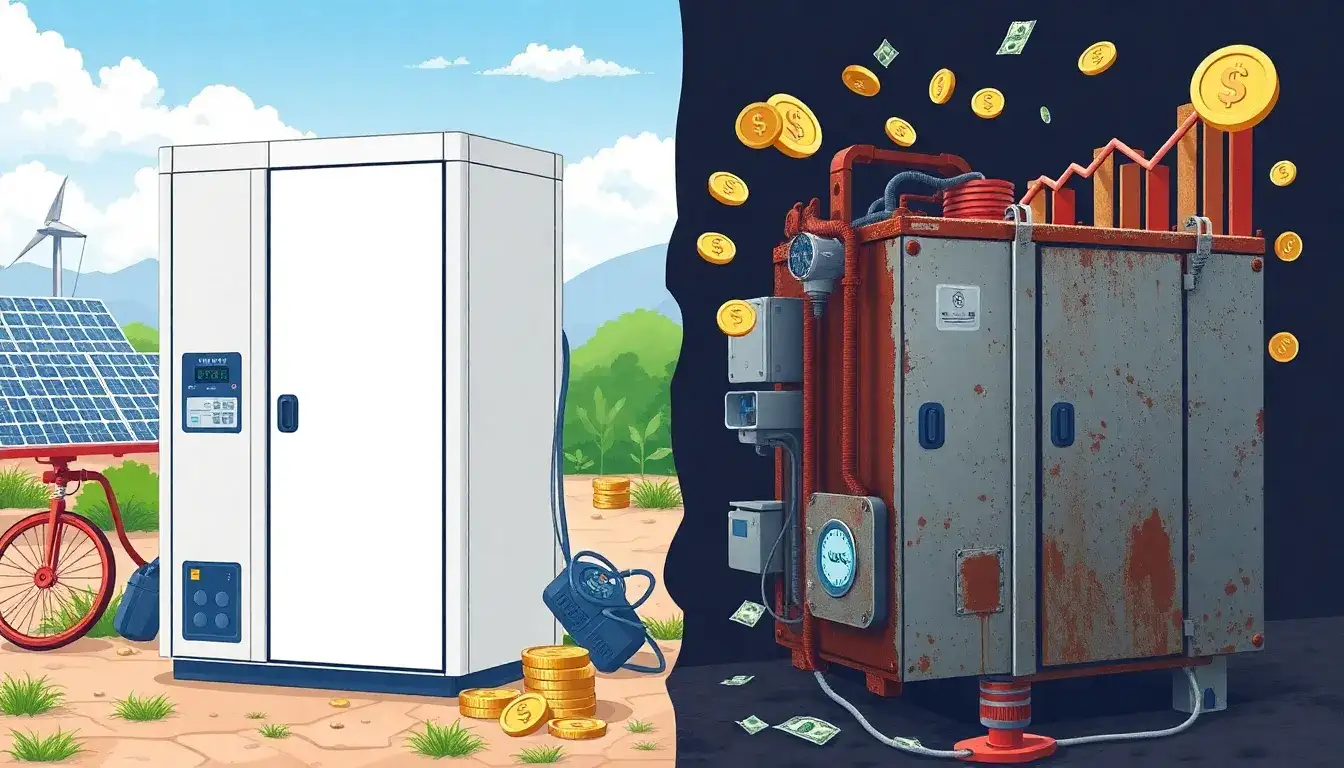
Replacing an entire all-in-one energy storage system can involve several cost implications. Here are some key factors to consider:
Cost Components
- Battery Cost: The cost of replacing batteries in an all-in-one system can be substantial. Typically, a home battery system costs between $9,000 and $20,000 to install, depending on the brand and capacity of the batteries. For larger systems like the Canadian Solar EP Cube, the cost can be higher due to its modular design and higher capacity options (up to 119.9kWh).
- Inverter and Control System: Since many all-in-one systems include built-in inverters and control units, replacing these components can add additional costs. Inverters themselves can range from $500 to several thousand dollars, depending on their type and capacity.
- Installation Labor Costs: Labor costs for installation can vary widely based on whether the replacement is done during a new solar installation or as a retrofit on an existing system. Adding a battery to an existing solar setup can increase labor costs due to additional electrical work required.
- Electrical Work and Upgrades: Depending on the system’s specifications, additional electrical work might be necessary. This could include upgrading or installing a critical load panel, which can add $1,000 to $2,000 to the overall cost.
- Shipping and Handling: If purchasing a new system online or from a distant supplier, shipping costs and potential customs duties or taxes should be considered. For example, Rich Solar offers free standard shipping for domestic orders, but other costs might apply depending on the delivery location and customs requirements.
- Potential Incentives and Savings: Replacing a system may also provide opportunities to claim incentives like the federal solar tax credit or state-specific rebates, which can help offset some of the costs.
Total Cost Estimate
The total cost of replacing an entire all-in-one energy storage system can range from approximately $7,000 (for a basic system like Rich Solar’s) to $20,000 or more, depending on the specific components, installation complexity, and any additional work required.
Key Considerations
- System Specifications: The capacity and features of the new system will significantly influence the cost.
- Installation Timing: Whether the replacement is part of a new solar installation or a retrofit can affect labor costs.
- Local Market and Installer Pricing: Prices vary by region and installer.
- Potential for Incentives: Look for available tax credits or utility programs that might offset costs.
In summary, replacing an all-in-one energy storage system involves a significant investment, but benefits like energy autonomy and potential savings through incentives can make it worthwhile for many users. Always compare quotes from different installers to ensure the best deal.
Original article by NenPower, If reposted, please credit the source: https://nenpower.com/blog/what-are-the-cost-implications-of-replacing-an-entire-all-in-one-energy-storage-system/

