

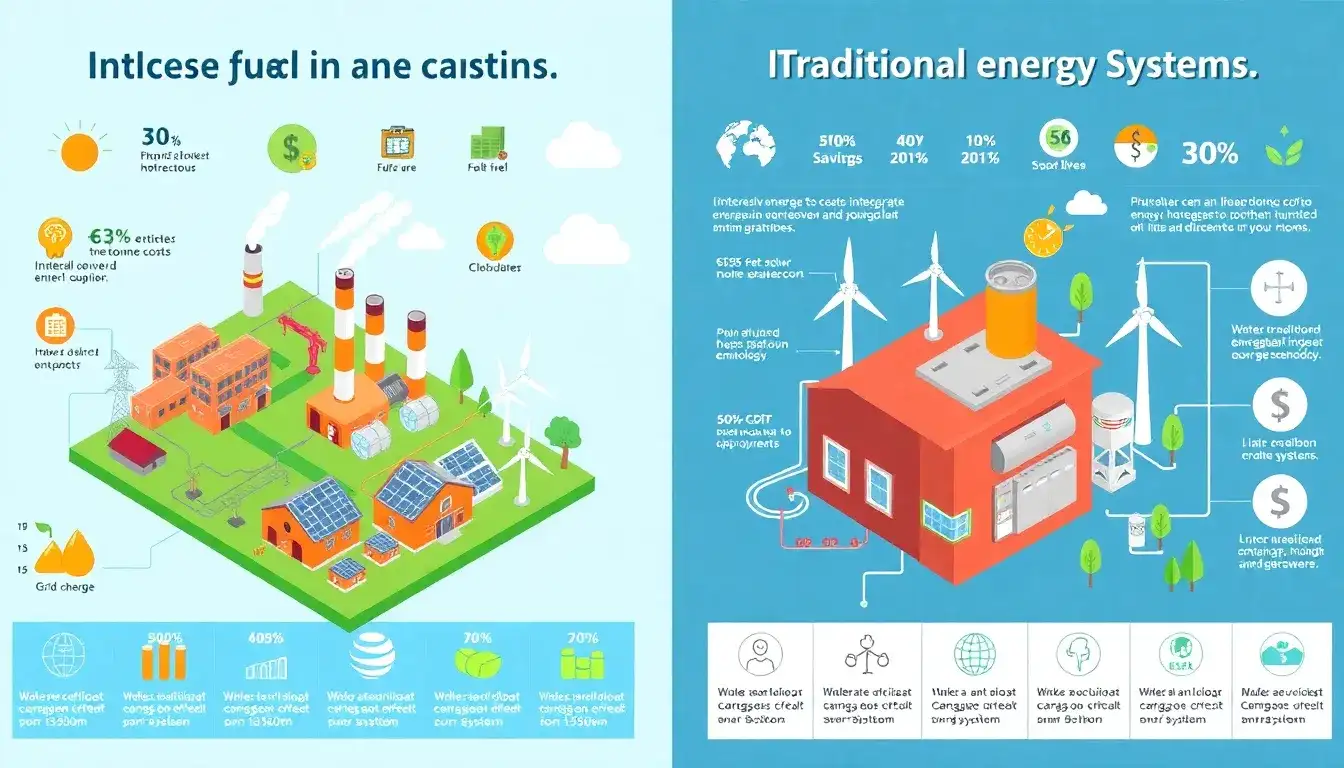
Cost Implications
1. Initial Cost
- All-in-One Systems: These systems generally have a lower upfront cost compared to traditional split systems. The average cost for an all-in-one system in 2024 is around $5,000, whereas split systems can cost up to $8,000. For example, Rich Solar lists their all-in-one system at $6,999.99, though it is currently backordered.
- Traditional Systems: These often require separate components like batteries and inverters, increasing the overall cost. For instance, adding a separate inverter could add several thousand dollars to the total cost.
2. Component Costs
- Battery Packs: Cost around $283/kWh for the pack alone.
- Inverters: The cost for a bidirectional inverter is about $183/kWh. Traditional systems might require additional components or setup costs.
3. Installation and Labor Costs
- All-in-One Systems: Because they are integrated, the installation process can be simpler, potentially reducing labor costs compared to traditional systems that require more complex setups.
- Traditional Systems: Require more installation work, as components must be connected and configured separately, which can increase labor costs and total system cost.
4. Operational and Maintenance Costs
- Both types of systems have similar operational costs, mainly fixed maintenance costs without significant variable costs.
5. Efficiency and Long-Term Savings
- All-in-One Systems: May offer easier management and potentially higher efficiency due to integrated components, but long-term savings depend on usage patterns and locations.
- Traditional Systems: Might offer more customization but require more management and could have higher maintenance costs over time.
Conclusion
All-in-one energy storage systems often provide a more streamlined and cost-effective initial installation compared to traditional systems. However, long-term savings and efficiency depend on how well the system is tailored to the user’s needs and energy usage patterns. Traditional systems offer flexibility but may require more upfront investment and maintenance.
In summary, the choice between all-in-one and traditional energy storage systems should be based on specific needs, budget constraints, and how well each system aligns with expected energy demands and usage patterns.
Original article by NenPower, If reposted, please credit the source: https://nenpower.com/blog/what-are-the-cost-implications-of-installing-an-all-in-one-energy-storage-system-versus-traditional-systems/

