

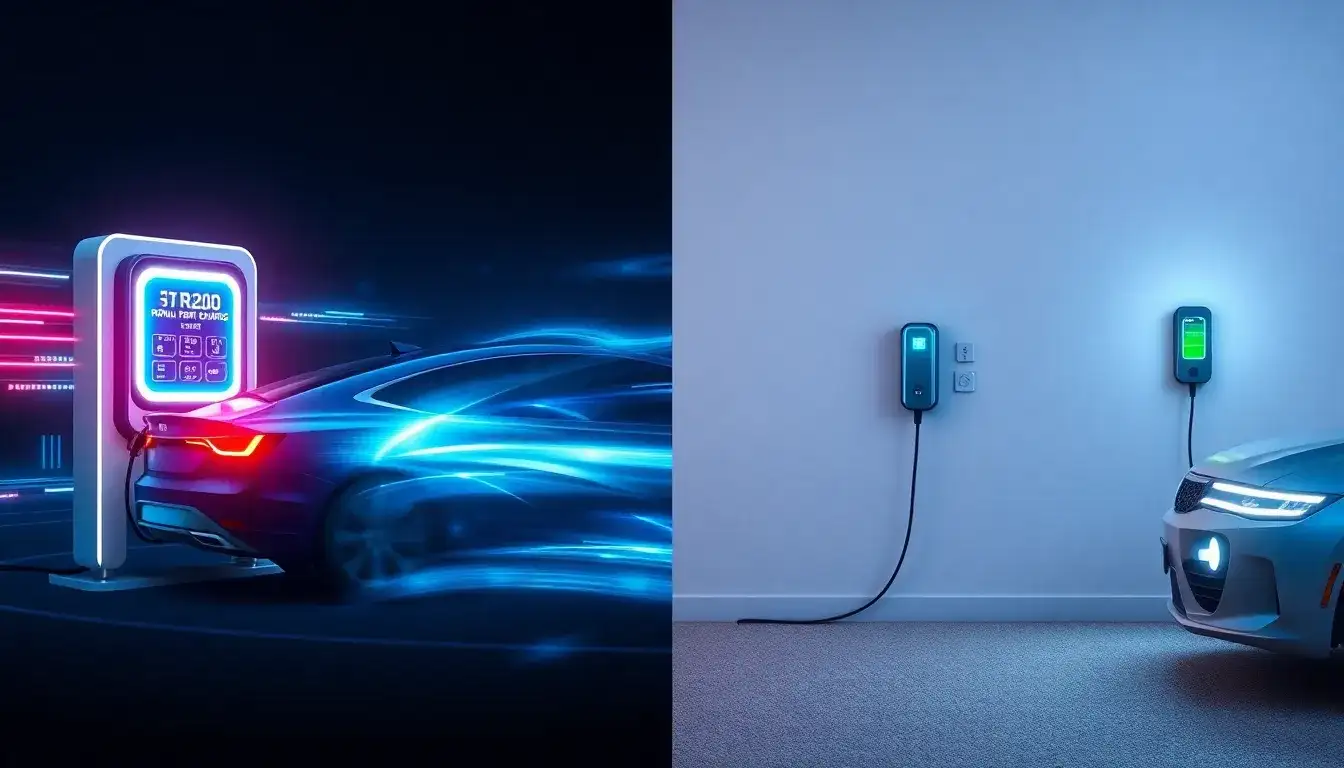
The cost differences between rapid charging and slow charging for electric vehicles can be influenced by several factors, including the type of charging, electricity rates, and infrastructure costs. Here are some key points to consider:
Cost Differences
- Electricity Costs: Slow charging can be economical for everyday use, typically benefiting from reduced electricity costs, especially when utilizing off-peak rates. For example, slow charging at home (3-7 kW) might cost around 34p/kWh during peak hours and potentially lower rates off-peak, while fast charging stations often have a flat rate regardless of the time of use.
- Infrastructure Costs: Slow chargers are generally cheaper to install and maintain, making them more suitable for home use. Fast chargers require specialized equipment and infrastructure, which can be costly to set up and maintain, but they provide the convenience needed for long-distance travel.
- Battery Health: While frequent rapid charging might incur long-term costs due to potential battery degradation, slow charging is gentler on the battery, which could lead to cost savings in the long term by extending battery lifespan.
- Usage Patterns: For those with flexible schedules, slow charging can save money by using off-peak rates and reducing overall energy consumption. However, drivers needing quick top-ups during long trips or with tight schedules may find fast charging more convenient despite potentially higher costs per kWh.
In summary, while slow charging typically offers lower operating costs due to lower energy rates and less wear on the battery, rapid charging’s higher upfront costs and potential for battery degradation are balanced by the convenience and necessity it provides for long-distance or urgent charging needs.
Cost Considerations by Scenario
- Home Charging: Slow charging (e.g., using a standard 3.3 kW or 7 kW charger) is generally more cost-effective for daily use.
- Public Charging: Fast charging stations may offer similar or slightly higher rates than slow public charging options but provide much quicker charging times, which can be cost-effective when considering time savings and convenience.
- Long-Distance Travel: Fast charging is essential for such journeys, providing quicker charging times and better overall efficiency for long trips, despite potentially higher costs per kWh.
Original article by NenPower, If reposted, please credit the source: https://nenpower.com/blog/what-are-the-cost-differences-between-rapid-charging-and-slow-charging/

