

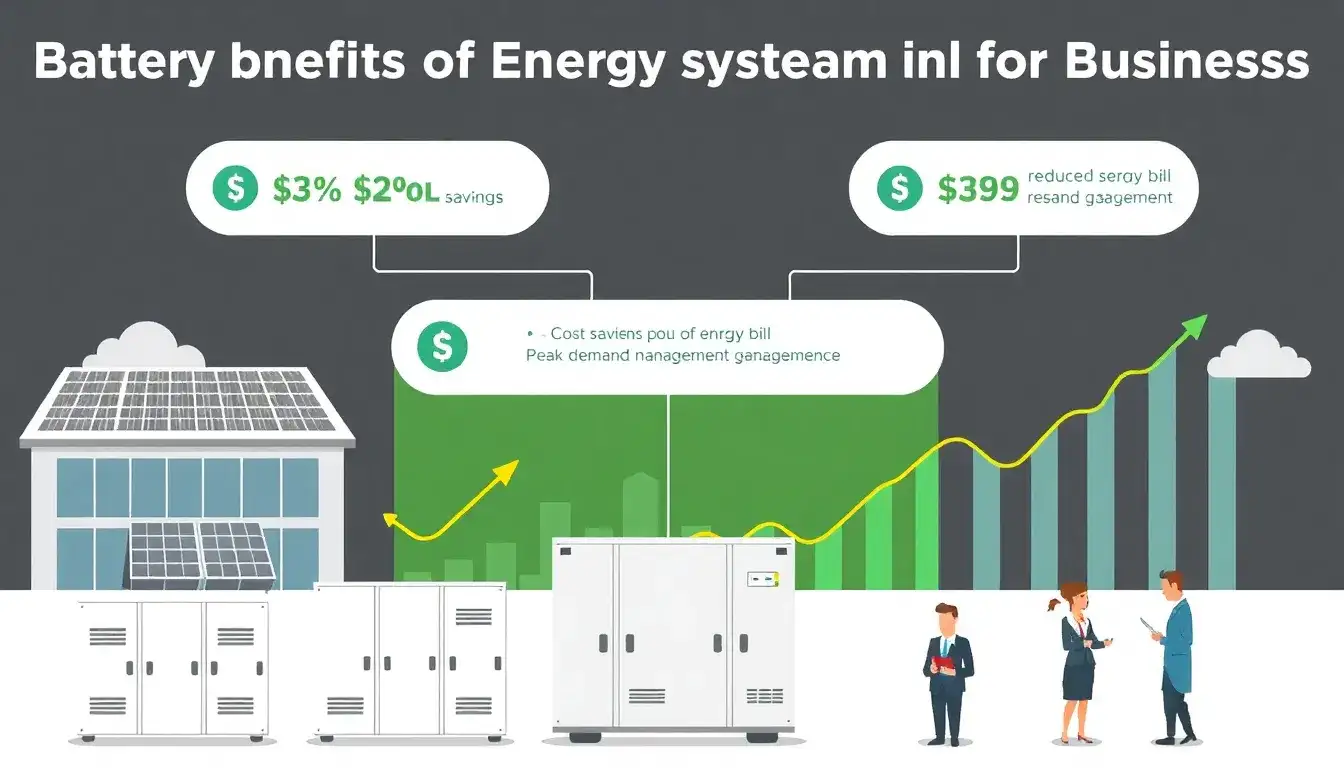
Battery energy storage systems (BESS) offer businesses several cost-related advantages, primarily through operational efficiency and strategic energy management:
1. Peak Shaving and Load Shifting
BESS reduces energy expenses by storing electricity during off-peak periods (when prices are low) and discharging it during peak-demand hours (when prices are high). This minimizes demand charges and optimizes energy procurement costs.
2. Reduced Grid Reliance
By decreasing dependence on grid electricity—especially during high-cost peak times—businesses can lower operational expenses. This also mitigates risks associated with volatile energy prices.
3. Backup Power Savings
BESS provides uninterrupted power during outages, preventing revenue loss from operational downtime and avoiding costs linked to disrupted critical services (e.g., data centers or manufacturing lines).
4. Renewable Energy Optimization
Pairing BESS with renewables like solar allows businesses to maximize self-consumption of cheap, self-generated energy, reducing reliance on grid-sourced power and fossil fuels.
5. Long-Term Financial Benefits
Despite high upfront costs, BESS offers sustained savings through lower electricity bills, potential revenue from grid services (e.g., frequency regulation), and increased property value. Declining battery prices further enhance ROI over time.
Comparative Cost Savings
| Factor | Impact |
|---|---|
| Peak Demand Charges | Reduces by 20–40% through load shifting |
| Outage Mitigation | Avoids losses from downtime (critical for sectors like healthcare) |
| Renewable Integration | Lowers energy costs by maximizing solar/wind use |
| Grid Services Revenue | Additional income from ancillary services (e.g., voltage support) |
Original article by NenPower, If reposted, please credit the source: https://nenpower.com/blog/what-are-the-cost-benefits-of-using-battery-energy-storage-systems-for-businesses/

