

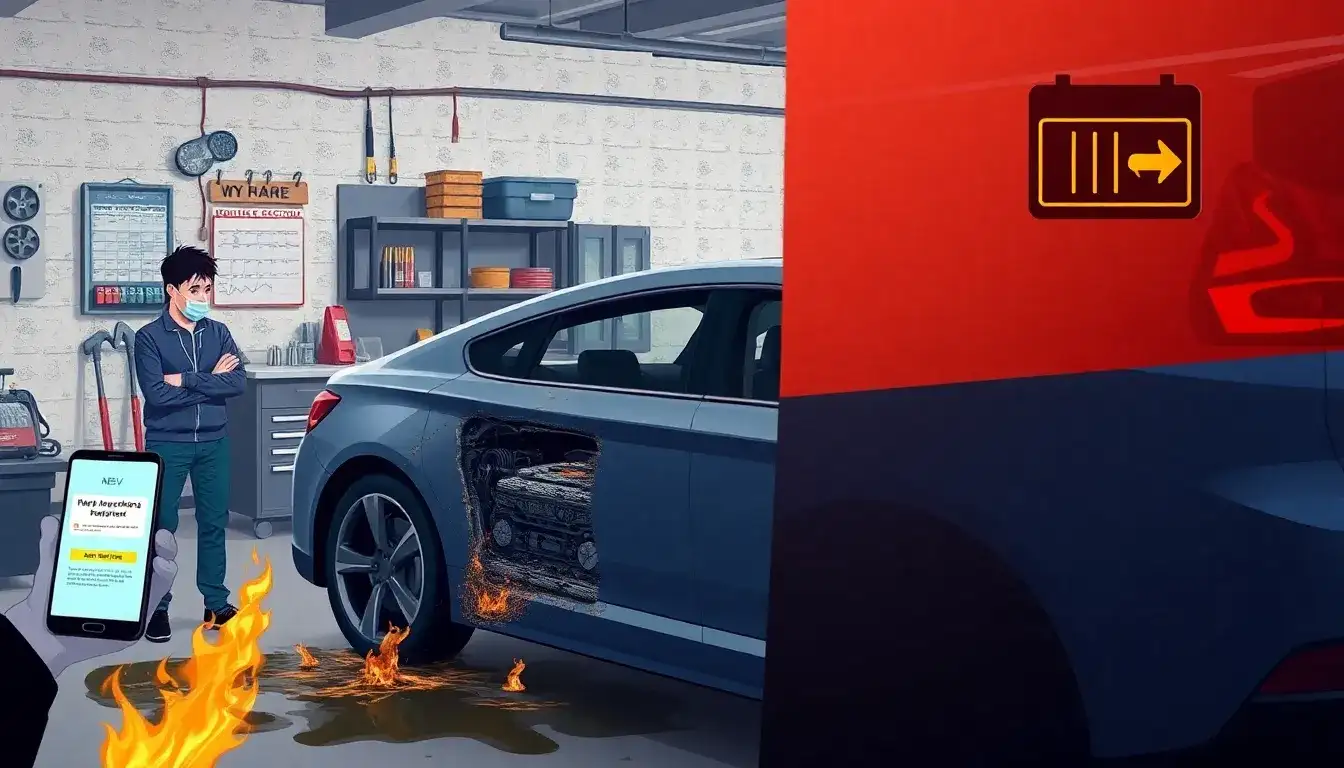
Consequences of Neglecting Battery Inspections in PHEVs
1. Battery Depletion and Permanent Damage
If the PHEV battery is not properly charged or inspected over an extended period, it may become completely depleted. This deep discharge can cause permanent damage to the battery cells, reducing overall battery life and potentially leading to failure.
2. Reduced Battery Performance and Degradation
The advanced lithium-ion batteries in PHEVs have a limited number of charge/discharge cycles (“cycle life”). Without regular inspections and proper maintenance, battery degradation accelerates, resulting in diminished electric range and lower fuel efficiency. For example, a PHEV originally capable of 30 miles on electric power might see this range drop to 15-20 miles or less, impacting driving experience and economy.
3. High Replacement Costs
PHEV battery replacement is a major expense, often costing thousands of dollars outside warranties. Neglecting battery care and inspections increases the likelihood of premature battery replacement, imposing a significant financial burden on owners.
4. Safety Risks
The battery packs in PHEVs contain highly corrosive and high-voltage components. Neglected battery systems—especially if exposed to adverse conditions like water ingress—may pose safety hazards including electrical shock or fire risks. Manufacturers and regulators have safety standards to mitigate these risks, but inspections are crucial to detect early issues.
5. Potential Cooling System Issues
Some PHEV batteries include liquid cooling systems to maintain safe operating temperatures. If these cooling systems are not regularly checked, overheating could occur, further damaging the battery and reducing its lifespan.
6. Loss of Warranty Coverage Benefits
Manufacturers typically offer warranties around 8 years or 100,000 miles for PHEV batteries, contingent on following maintenance guidelines including inspections. Neglecting inspections may void warranty coverage, leaving owners fully responsible for costly repairs or replacements.
In summary, neglecting battery inspections in PHEVs can cause permanent battery damage due to deep discharge, accelerate battery degradation thereby reducing electric range and efficiency, increase costly battery replacements, pose safety hazards, and risk warranty benefits. Regular battery inspections ensure optimal performance, safety, and longevity of the PHEV’s sophisticated battery system.
This underscores the importance of following manufacturer maintenance recommendations and having batteries checked periodically by qualified technicians.
Original article by NenPower, If reposted, please credit the source: https://nenpower.com/blog/what-are-the-consequences-of-neglecting-battery-inspections-in-phevs/

