

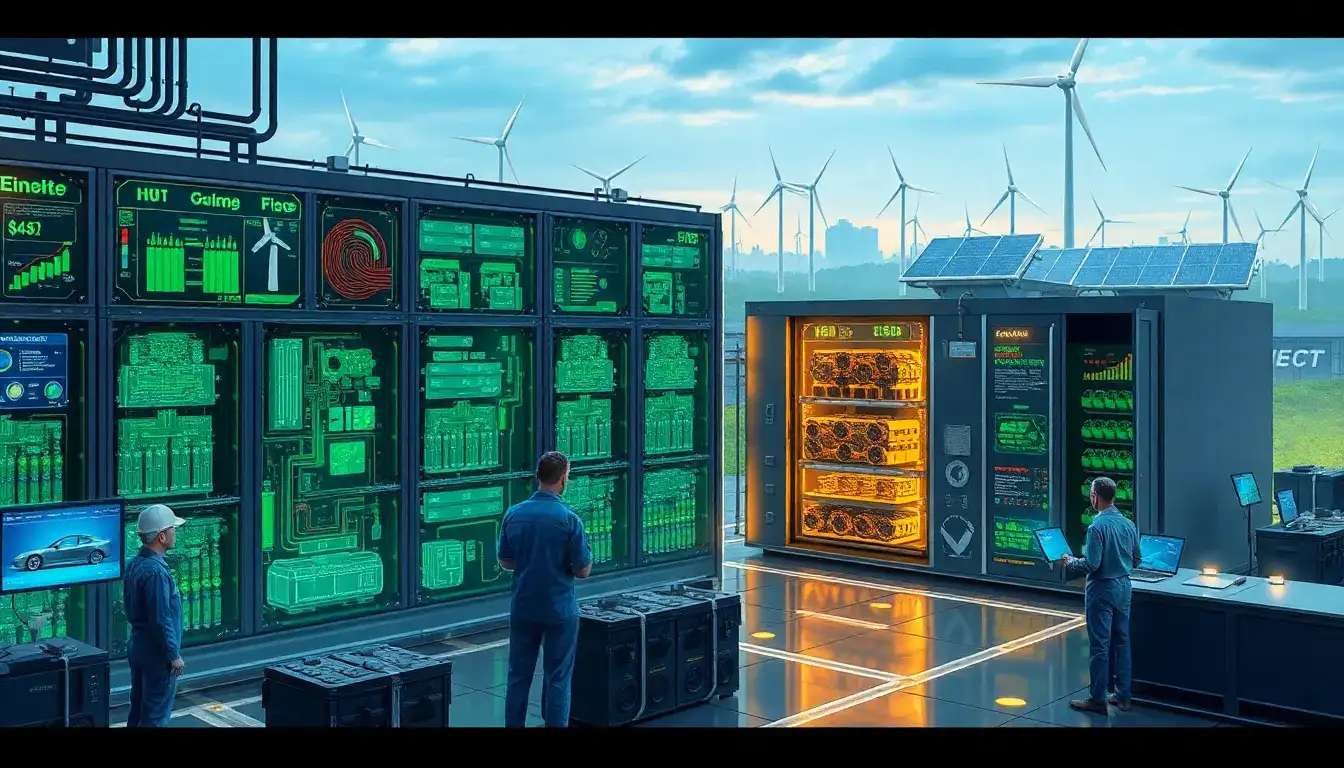
Integrating Electric Vehicle (EV) batteries into energy storage systems faces several challenges, which are crucial to address for effective utilization. Here are some of the key challenges involved:
Challenges of Integrating EV Batteries into Energy Storage Systems
1. Degradation and Lifespan
- Cycle Life and Degradation: Repurposing EV batteries for energy storage can lead to shorter cycle lives due to frequent charging and discharging, which could exacerbate degradation issues.
- State of Health (SoH): Lenders are concerned about the remaining economic life of used cells and their predictability, affecting financing decisions for such projects.
2. Technical Complexity
- Battery Management Systems: Managing the state of charge (SoC) and state of health (SoH) is complex, especially when dealing with mixed and matched cells from different EVs.
- Interoperability: Ensuring compatibility and efficient operation between batteries from different manufacturers and models can be challenging.
3. Environmental Factors
- Temperature Control: Maintaining optimal operating temperatures is crucial to extend battery lifespan, but environmental conditions can vary significantly.
- Environmental Impact: The end-of-life battery management solutions must mitigate environmental harms by proper recycling or repurposing strategies.
4. Economic Considerations
- Cost and Financing: The cost of acquiring used batteries and setting up energy storage systems can be prohibitive. Securing financing for such projects is challenging due to worries about battery durability and future costs.
- Warranty and Maintenance: Ensuring proper maintenance and managing warranty terms for repurposed batteries is complex and can impact the economic viability of energy storage projects.
5. Standardization and Scalability
- Standardization: There is a need for standardized procedures for repurposing EV batteries into energy storage systems to ensure efficiency and safety across different applications.
- Scalability: Scaling up the integration process to meet growing energy demands while managing the variability in battery health and capacity can be a significant challenge.
6. Regulatory Frameworks
- Supportive Policies: Development of supportive regulatory frameworks is essential to encourage the integration of EV batteries into energy storage systems.
Addressing these challenges requires innovative technical solutions, supportive regulatory environments, and economic incentives to ensure the effective and sustainable integration of EV batteries into energy storage systems.
Original article by NenPower, If reposted, please credit the source: https://nenpower.com/blog/what-are-the-challenges-of-integrating-ev-batteries-into-energy-storage-systems/

