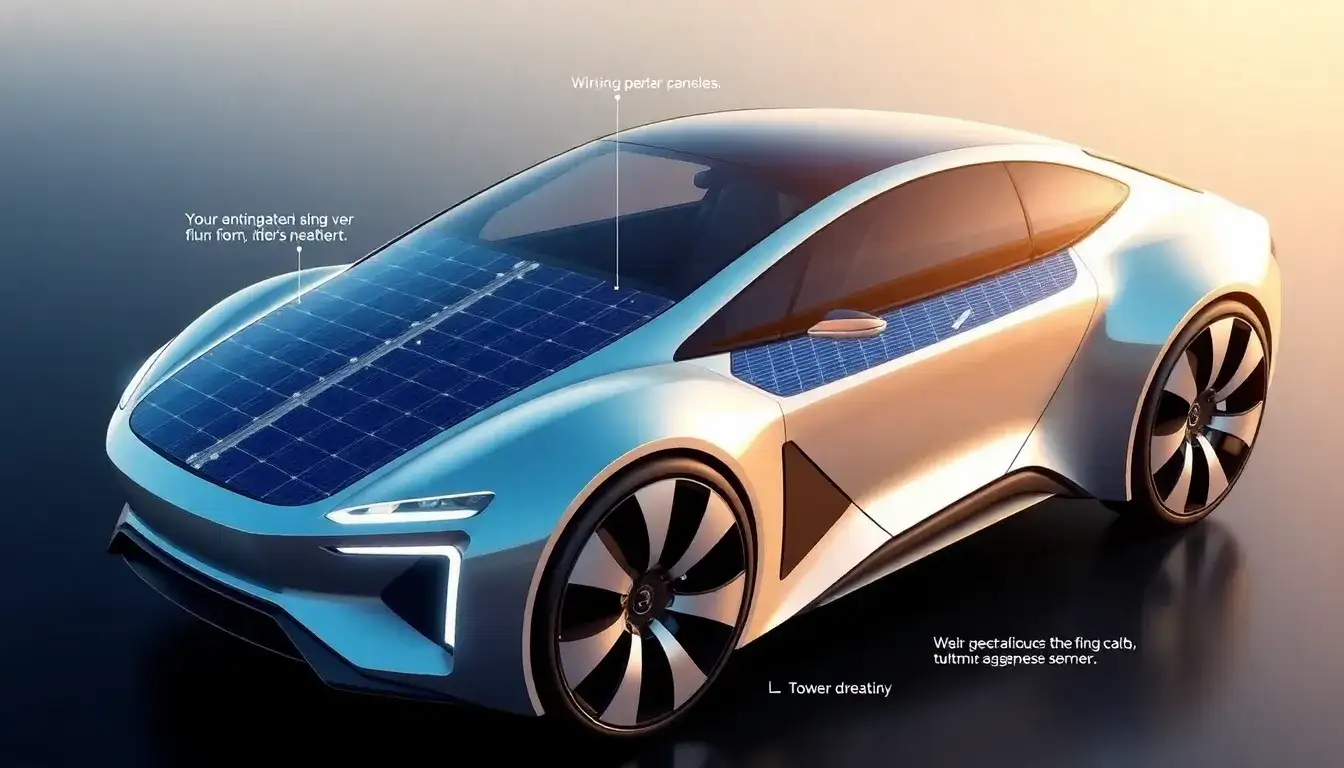
Thin-film solar panels present both opportunities and challenges for vehicle integration, particularly due to their flexibility and lightweight design. Here’s a breakdown of the primary challenges:
1. Power Generation Limitations
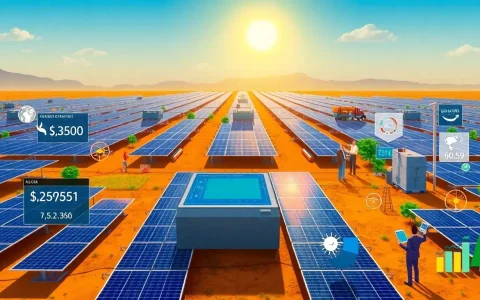
- Low energy density: Solar panels generate limited power per square meter, and vehicles offer restricted surface area. A typical car roof might produce only 250–500 watts under optimal conditions.
- Inefficient angles: Horizontal vehicle surfaces are suboptimal for sunlight capture compared to tilted rooftop installations.
- Shading issues: Partial shading (from trees, buildings, etc.) disproportionately reduces output due to cell interconnection challenges.
2. Technical and Structural Challenges
- Curvature mismatches: Vehicle roofs often have complex curves, leading to irradiance variations across cells and potential current mismatches.
- Durability concerns: Thin-film panels must withstand vibrations, impacts (e.g., hail), and UV degradation without compromising safety or aesthetics.
- UV resistance: Current flexible panels often use PET sheets with poor UV resistance, requiring improved materials.
3. Electrical Integration Complexities
- MPPT inefficiencies: Traditional maximum power point tracking (MPPT) systems struggle with rapid irradiance fluctuations caused by moving vehicles.
- Battery charging losses: High-voltage drivetrain batteries may experience transformation losses during solar charging.
- Safety protocols: Wiring and components must be waterproof, crash-resistant, and fail-safe to prevent electrical hazards.
4. Cost and Market Barriers
- Higher upfront costs: VIPV (vehicle-integrated photovoltaics) systems currently lack economies of scale, making them pricier than conventional alternatives.
- Repair complexity: Damaged panels require specialized maintenance without voiding vehicle warranties.
- Insurance hurdles: Custom insurance policies may be needed to cover PV-related repairs or theft.
5. Material and Environmental Factors
- Toxicity concerns: Cadmium in CdTe panels raises recycling and disposal challenges.
- Lifespan mismatch: Thin-film panels (10–20 years) may outlast some vehicle components, complicating lifecycle management.
Comparison of Key Challenges
| Challenge Category | Specific Issues |
|---|---|
| Power Generation | Low surface area, shading, suboptimal angles |
| Structural | Curvature, UV degradation, impact resistance |
| Electrical | MPPT adaptation, charging losses, safety |
| Economic | High costs, repair logistics, insurance |
| Material | Toxicity, lifespan, recyclability |
Innovations like parallel cell grouping (to mitigate shading losses) and advanced encapsulation materials are emerging solutions, but widespread adoption requires further R&D.
Original article by NenPower, If reposted, please credit the source: https://nenpower.com/blog/what-are-the-challenges-in-integrating-thin-film-solar-panels-into-vehicles/