

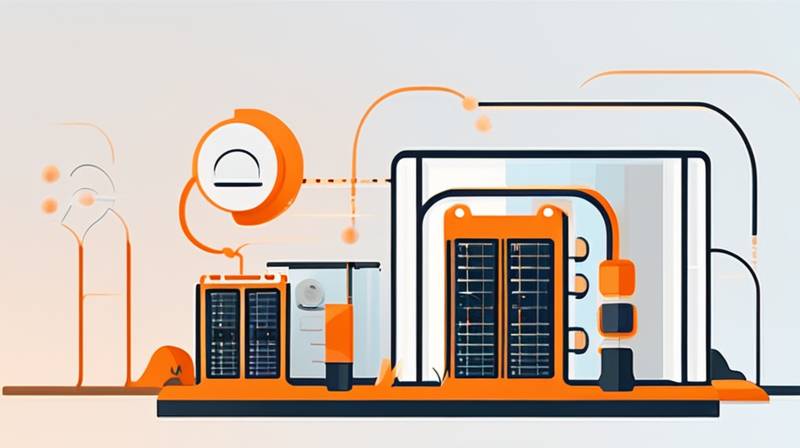
1. Building energy storage devices are systems designed to capture and store energy for later use, including 1, batteries, which allow for energy storage and release as needed, 2, thermal storage systems that retain heat or cold for temperature regulation, 3, flywheels, which store kinetic energy using rotating mass, and 4, pumped hydropower systems that move water between elevations to generate energy.
Among these technologies, batteries play a pivotal role in the transition towards renewable energy by enabling the storage of solar and wind energy, effectively addressing the intermittency of these power sources. Unlike conventional energy systems that rely on continuous output, energy storage devices allow buildings to function on stored energy during peak demand periods or when production is low, enhancing grid stability and promoting sustainability. Emerging innovations in materials and technologies present opportunities for maximizing the efficiency of these devices, ensuring their growing relevance in future infrastructure developments.
1. BATTERIES
In recent years, the role of batteries in building energy storage has surged due to their versatility and effectiveness in managing energy consumption. Batteries store electricity, which can be used during peak demand periods or in times of low production, such as at night for solar energy systems. This technology optimally addresses the challenge posed by extensive reliance on renewable energy sources that exhibit variability, such as solar and wind.
By enabling the integration of renewable energy into everyday operations, batteries contribute to a more sustainable energy model. Consequently, energy consumers can minimize reliance on fossil fuels and capitalize on renewable otherwise wasted energy for immediate use. This shift is critical as society transitions to greener alternatives.
Moreover, advancements in battery technology have led to the emergence of diverse types, each tailored to particular needs, including lithium-ion, flow batteries, and solid-state batteries. Lithium-ion batteries dominate the market for residential applications due to their compact size and energy density. However, flow batteries present a promising alternative for larger scale operations, as they offer improved longevity and scalability. Solid-state batteries, while still nascent, hold the potential for heightened safety and efficiency.
2. THERMAL STORAGE SYSTEMS
Thermal energy storage systems represent another crucial element within the realm of building energy storage. These systems harness excess thermal energy—either heat or cold—and preserve it for future use. By shifting energy consumption from peak periods to off-peak times, thermal storage aids in reducing energy costs and improving the efficiency of heating, ventilation, and air conditioning (HVAC) systems.
There are several methods for thermal energy storage, such as ice storage and molten salt systems. Ice storage systems produce ice during the night when electricity is cheaper, storing it for use during the day. This method significantly reduces peak cooling load and takes advantage of lower electricity prices during off-peak hours. Conversely, molten salt systems, predominantly employed in large-scale solar thermal power plants, utilize the heat from molten salts to generate electricity during periods of high demand.
By utilizing thermal storage systems, buildings can effectively manage energy, minimize strain on power grids, and reduce operational costs. Additionally, these systems align with sustainability goals, enabling a shift towards cleaner energy consumption and enhancing overall energy efficiency within the built environment.
3. FLYWHEELS
Flywheel energy storage systems utilize kinetic energy and mechanical devices to store and release energy. By rotating a mass at high speeds, these systems smooth out supply and demand fluctuations, allowing for instantaneous energy discharge. Frequent in applications requiring quick bursts of power, flywheel systems balance voltage and provide uninterrupted energy supply during short outages or spikes in demand.
Flywheels benefit numerous industries, especially those reliant on critical power requirements such as data centers, hospitals, and manufacturing sectors. By providing backup power and enhancing energy efficiency, flywheels reduce costs associated with electricity, thus elevating overall productivity.
Notably, the maintenance and operational costs of flywheels are relatively low when compared to chemical batteries. Additionally, flywheels are capable of undergoing a significant number of charge-discharge cycles without degradation, making them a robust solution for energy storage needs where rapid response is critical.
4. PUMPED HYDRO STORAGE
Pumped hydro storage is a mature technology harnessing gravitational potential energy. This method comprises two water reservoirs situated at different elevations. When excess energy is available, water is pumped from the lower to the upper reservoir. Conversely, during periods of high demand, the stored water is released back down to generate electricity while driving turbines.
The application of pumped hydro storage is vast, making it a vital player in energy management systems across the globe. Due to their capacity to store large volumes of energy efficiently, they allow for the balancing of power generation and consumption. However, the feasibility of implementation is often limited by geographical factors, specifically topography, and the need for substantial investments in infrastructure.
Nonetheless, pumped hydro storage remains attractive for grid operators aiming to enhance flexibility and stability of energy resources. As the drive toward renewable energy sources intensifies, innovations in pumped storage technology continue to emerge, spurring new prospects for energy storage and management.
FAQs
WHAT TYPES OF ENERGY STORAGE DEVICES ARE COMMONLY USED IN BUILDINGS?
Building energy storage devices encompass a range of systems designed to store and release energy efficiently. The most prevalent types include batteries, thermal storage systems, flywheels, and pumped hydro storage. Batteries are often chosen for their versatility and capability to respond to peak energy demands, making them ideal for both residential and commercial applications. Thermal storage systems excel at shifting energy use for heating and cooling, enhancing efficiency, and reducing costs. Flywheels offer rapid response capabilities suitable for critical power applications, while pumped hydro remains a dominant large-scale solution where geographic conditions permit. The choice of device often depends on specific building energy needs, budget constraints, and sustainability goals, influencing the implementation of each technology.
HOW DO ENERGY STORAGE DEVICES IMPACT BUILDING ENERGY EFFICIENCY?
The integration of energy storage devices profoundly enhances building energy efficiency by allowing for the storage of excess energy produced, especially from renewable sources such as solar and wind. By capturing this surplus energy for later use, buildings can lessen their dependence on traditional grid power during peak times, drastically reducing operational costs. Furthermore, these devices aid in stabilizing energy consumption patterns, leading to a more balanced load on local electrical grids. As a result, this proactive management of energy not only contributes to sustainability objectives but also enables substantial cost savings, creating a win-win scenario for property owners and the environment alike.
WHAT ARE THE CHALLENGES ASSOCIATED WITH ENERGY STORAGE DEVICE IMPLEMENTATION IN BUILDINGS?
Implementing energy storage devices in buildings presents several challenges that must be carefully navigated. Initial capital costs are often a significant barrier, particularly with advanced technologies requiring substantial investments. Additionally, selecting the right technology that aligns with the specific energy needs of the building can be cumbersome, as each type has its unique advantages and disadvantages dependent on application. Furthermore, regulatory frameworks and utility policies can complicate installations and affect return on investment. Lastly, issues related to safety, lifespan, and maintenance must be addressed to ensure the reliability and efficiency of the chosen system, necessitating thorough research and planning before implementation.
Building energy storage devices play a crucial role in the contemporary pursuit of efficiency and sustainability within architecture. As society increasingly acknowledges the intermittent nature of renewable energy, these devices provide necessary solutions for managing energy production, consumption, and storage effectively. The diverse offerings—ranging from batteries to thermal storage, flywheels, and pumped hydro systems—encapsulate the multitude of methods at our disposal. Delving deeper, these innovations facilitate a transition away from fossil fuels and empower businesses and individuals to reduce costs while supporting environmental initiatives.
Moreover, the synergistic potential of these technologies fosters improvements in grid resilience, eliminating reliance on conventional energy sources primarily subject to supply fluctuations. As governments and organizations emphasize sustainability, the integration of energy storage devices will undoubtedly continue to expand, adapting to emerging trends in electricity consumption and renewable energy output. As understanding deepens, ongoing advancements in technology promise to bolster not only efficiency but also operational capabilities, unlocking a future where energy sustainability is achievable and economical.
In summary, as we engage more intimately with the mechanics of our energy ecosystems, the significance of building energy storage devices becomes increasingly apparent. They demonstrate considerable aptitude for addressing the challenges of contemporary energy demands while promoting eco-conscious practices. Organizations must take the initiative to adopt and invest in these solutions, heralding a new era of energy independence and sustainability designed for a cleaner, more efficient built environment. Thus, as exploration into their multifaceted benefits continues, the pathway forward is paved with not only technological innovation but also a collective responsibility toward nurturing our planet for generations to come.
Original article by NenPower, If reposted, please credit the source: https://nenpower.com/blog/what-are-the-building-energy-storage-devices/

