

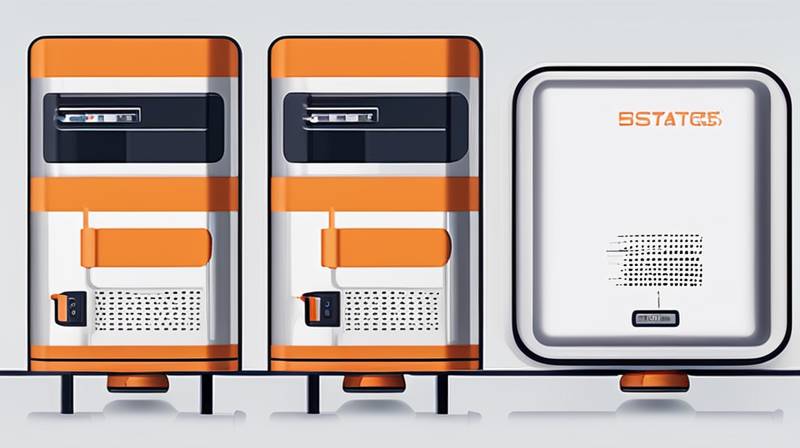
Industrial energy storage products play a crucial role in modern energy systems, offering solutions for balancing supply and demand, stabilizing grid fluctuations, and enhancing energy efficiency. 1. Prominent brands include Tesla, LG Chem, and Siemens, 2. These companies provide advanced technologies like lithium-ion and flow batteries, 3. Each brand emphasizes distinct features, such as scalability, safety, and performance, 4. Selecting the right brand depends on specific industrial needs and applications.
The evolution of industrial energy storage solutions is reshaping how industries approach energy management. Major brands dominate this space, each presenting unique offerings tailored to varied applications. Understanding the spectrum of available solutions begins with recognizing key players and their distinctive technologies.
1. TESLA’S INNOVATIVE TECHNOLOGIES
Tesla’s contribution to the realm of industrial energy storage stands out, particularly through the Powerpack and Megapack systems. Engineered to cater to commercial and industrial clients, these systems leverage cutting-edge lithium-ion technology to deliver remarkable energy density and lifecycle performance. Powerpack, designed for medium-scale operations, provides solutions for applications including peak shaving and backup power. Meanwhile, Megapack is engineered for utility-scale installations, capable of scaling up to megawatt hours, making it ideal for grid support and renewable integration.
Tesla’s commitment to innovation is not solely evident in hardware; the company’s comprehensive energy management platform enhances operational efficiencies. This platform allows users to monitor, control, and optimize energy usage in real-time, predicting demand fluctuations and facilitating smoother energy transitions. Due to its robust capabilities, Tesla emerges as a frontrunner in driving sustainable energy initiatives within industrial sectors, encouraging businesses to adopt advanced energy solutions strategically.
2. LG CHEM’S ADVANCED BATTERY SOLUTIONS
LG Chem shines in the industrial energy storage arena by providing versatile battery technologies specifically tailored for diverse applications. The company emphasizes its lithium-ion batteries, which offer significant advantages in terms of energy density, operational lifespan, and overall safety. These batteries cater to various industrial needs, including peak load management, energy arbitrage, and frequency regulation.
Moreover, LG Chem’s dedication to continuous innovation is reflected in its investments in research and development. The firm is consistently refining its battery chemistry and engineering processes to enhance performance metrics such as charge/discharge efficiency. Today, LG Chem’s products are pivotal in optimizing energy use for large manufacturing operations, data centers, and various other industries that require reliable and efficient energy management systems.
3. SIEMENS AS AN INTEGRATED SOLUTION PROVIDER
Siemens positions itself as a comprehensive solution provider within the industrial energy storage landscape, leveraging its prowess in automation and digitalization. The company’s Sicharge product line, encompassing both hardware and software components, plays a transformative role in managing energy flows across various sectors. Siemens’ approach integrates advanced analytics and control software, enabling businesses to optimize their energy consumption while seamlessly transitioning to greener practices.
An essential aspect of Siemens’ offering is its support for renewable integration. With an increasing focus on sustainability, the company addresses the challenges posed by intermittency through its innovative energy storage solutions. Moreover, Siemens actively engages in developing hybrid systems that combine different storage technologies, ensuring optimized performance tailored to specific site conditions. By framing energy storage within the broader context of infrastructure development, Siemens embodies a forward-thinking approach essential for addressing the complexities of modern energy demands.
4. CATALYSTS FOR GROWTH IN ENERGY STORAGE MARKET
The industrial energy storage market is accelerating due to various driving forces. Regulatory incentives, spurring investments in renewable energies, have significantly influenced the market dynamics. Governments worldwide are enacting policies promoting energy storage adoption as part of their strategy to achieve climate change goals. With financial support and favorable regulatory frameworks, industries are more inclined to explore advanced energy storage solutions.
Additionally, increasing energy cost pressures compel industries to seek efficient alternatives. As traditional power sources become more expensive and unreliable, integrating energy storage systems becomes a feasible strategy for mitigating operational costs. Energy storage not only provides price stability but also enhances resilience against potential power disruptions. As enterprises adopt these systems, they can optimize their energy consumption, leading to improved operational efficiencies.
5. CUSTOMER-CENTRIC APPROACHES IN ENERGY STORAGE
A trend toward customer-centric solutions has emerged as businesses increasingly seek tailored energy storage offerings. Companies are not only considering the technical specifications of energy storage products but also focusing on their specific operational challenges. The notion of customization has become integral in this sector, with brands developing modular systems capable of being scaled or adapted according to individual business needs.
Moreover, providing comprehensive support services, including installation, maintenance, and system monitoring, enhances customer satisfaction. Companies with a strong service infrastructure build trust and foster long-term relationships with their clients. This customer-centric philosophy, emphasizing responsiveness to client needs, continues to be a pivotal factor fostering the growth of the industrial energy storage market.
FREQUENTLY ASKED QUESTIONS
WHAT TYPES OF ENERGY STORAGE SYSTEMS ARE AVAILABLE FOR INDUSTRIAL USE?
Numerous energy storage systems cater to industrial applications, including lithium-ion batteries, flow batteries, and thermal energy storage systems. Lithium-ion batteries have gained significant popularity for their high energy density and efficiency, making them ideal for a wide range of industrial applications, from manufacturing to data centers. Flow batteries, on the other hand, offer advantages in scalability and longevity, making them suitable for utility-scale energy demands. Thermal energy storage systems store excess thermal energy for later use, particularly beneficial for industries relying on heat processes. Overall, the choice of energy storage system depends on specific operational needs, capacity requirements, and budget constraints.
HOW DO ENERGY STORAGE SOLUTIONS IMPACT INDUSTRIAL OPERATIONS?
The incorporation of energy storage solutions dramatically affects industrial operations by enhancing energy management capabilities and cost efficiency. For instance, energy storage systems can absorb excess electricity during low-demand periods and release it during peak usage times, effectively reducing energy costs and balancing supply and demand. Additionally, enhanced reliability provided by energy storage systems minimizes risks from power outages, ensuring uninterrupted operations. Furthermore, they contribute to sustainability efforts by enabling businesses to utilize renewable energy sources more effectively. In summary, adopting energy storage solutions results in improved energy efficiencies, operational sustainability, and potential economic benefits.
WHAT FACTORS SHOULD COMPANIES CONSIDER WHEN SELECTING AN ENERGY STORAGE BRAND?
When evaluating energy storage brands, numerous factors should be assessed to ensure compatibility with business objectives. Performance specifications, such as energy density, cycle life, and efficiency metrics, should align with operational requirements. Additionally, aspects such as scalability become critical, particularly for businesses anticipating growth or evolving energy demands. Comprehensive support and service offerings should also be evaluated; brands that provide long-term maintenance and monitoring services can deliver enhanced value over time. Finally, understanding a brand’s reputation and experience within the industry can provide insights into product reliability and future advancements, helping companies make informed choices in selecting energy storage solutions.
The landscape of industrial energy storage brands is multifaceted and dynamic, with leading players innovating to address the evolving needs of industries. Key brands such as Tesla, LG Chem, and Siemens exhibit distinct strengths and technological advancements, allowing businesses to tailor solutions to their unique operational needs. A thorough understanding of these brands’ offerings and the intricate factors influencing energy storage decisions can empower organizations to achieve optimal energy efficiency and sustainability. Furthermore, with the mounting importance of energy consistency, regulatory compliance, and cost management, companies are increasingly invested in energy storage systems as they navigate the complexities of modern energy landscapes.
As industries continue to adapt amid rapid technological advancements and shifting energy paradigms, choosing the right energy storage partner becomes paramount. This selection should involve a holistic analysis of technical capabilities, support services, and alignment with long-term strategic goals. Ultimately, the right energy storage solution can not only provide immediate operational advantages but also secure a competitive edge in an environmentally conscious economy. Whether seeking to enhance energy sustainability, efficiency, or resilience, organizations must consider their unique circumstances and formulate strategies that incorporate innovative energy storage technologies. The future of energy management hinges on these capabilities, marking energy storage products as indispensable tools in shaping the energy landscape of tomorrow.
Original article by NenPower, If reposted, please credit the source: https://nenpower.com/blog/what-are-the-brands-of-industrial-energy-storage-products/

