

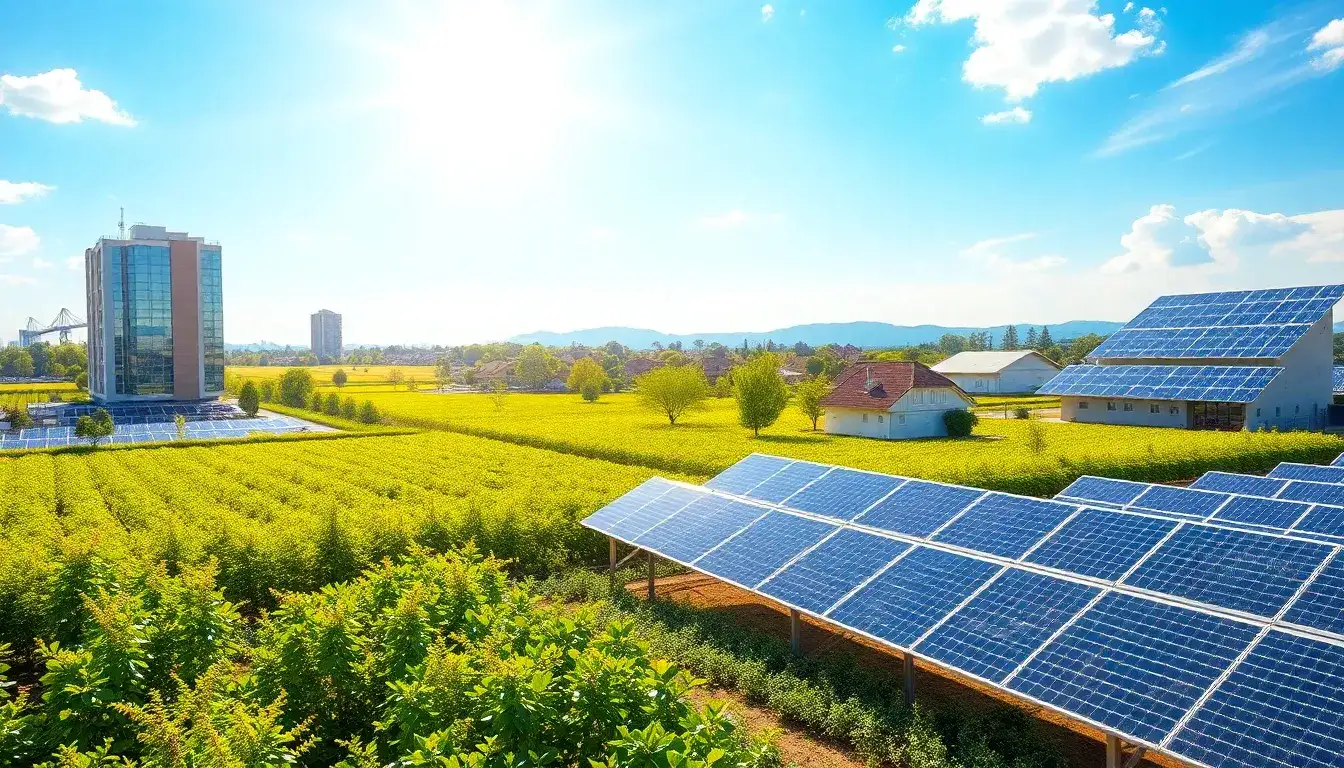
Bifacial solar panels, which can generate electricity from both their front and back sides, are best suited for specific use cases where their unique advantages can be fully leveraged. The best use cases for bifacial solar panels include:
Ideal Use Cases for Bifacial Solar Panels
- Commercial and Utility-Scale Solar Installations
Bifacial panels excel in large-scale solar farms where they can be mounted elevated and angled away from any mounting surface. This positioning allows sunlight to reflect off the ground or surrounding surfaces and hit the rear side of the panels, increasing total energy generation by up to 27-30% compared to traditional single-sided panels. Such large installations benefit most from bifacial technology due to space and mounting flexibility. - Ground-Mounted Residential Systems
For residential solar, bifacial panels are more effective when installed as ground-mounted arrays rather than rooftop systems. Roofs usually block sunlight from reaching the back of the panel, nullifying the advantage of bifacial cells. Ground-mounted systems can be oriented and tilted optimally to capture light reflected from the ground, improving energy yield. - Environments with Highly Reflective Surfaces
Locations with reflective ground cover such as snow, sand, white gravel, or light-colored rooftops enhance the performance of bifacial panels by reflecting more sunlight to the panel’s rear side. This makes bifacial modules ideal in snowy climates or sandy areas, where reflected light boosts low-light and diffuse light performance. - Freestanding or Vertical Structures
Bifacial panels are well-suited for innovative and architectural installations such as solar carports, pergolas, solar trees, and vertical fences. Their ability to generate power from both sides allows these structures to optimize space and increase total power output without requiring additional ground area.
Additional Benefits Relevant to Use Cases
- Higher Energy Efficiency in the Same Footprint
Because bifacial panels generate more power per unit area, they can reduce the total land or roof area needed for a given power output, which is especially beneficial where space is limited. - Durability and Longevity
Many bifacial panels use glass-glass construction, enhancing durability and lifespan with better resistance to heat, UV exposure, and physical impact. This makes them attractive for installations where longevity and low maintenance are priorities. - Flexible Installation Angles and Tracking
Bifacial panels allow more flexible tilt angles and tracking systems to maximize sunlight capture on both sides, increasing overall yield and making them suitable for sites where such technical solutions are feasible.
Less Suitable Use Case
- Rooftop Residential Installations
Since roofs often block light from reaching the back of bifacial panels, these are generally less practical and cost-effective for typical rooftop solar setups.
In summary, bifacial solar panels are best used in:
- Commercial and utility-scale solar farms with ground-mounted elevated installations,
- Residential ground-mounted solar arrays,
- Locations with reflective surfaces like snow or sand,
- Freestanding solar structures like carports or pergolas.
Their enhanced efficiency, durability, and versatility make them ideal for these use cases, while rooftop applications are generally less suitable due to limited backside light exposure.
Original article by NenPower, If reposted, please credit the source: https://nenpower.com/blog/what-are-the-best-use-cases-for-bifacial-solar-panels/

